
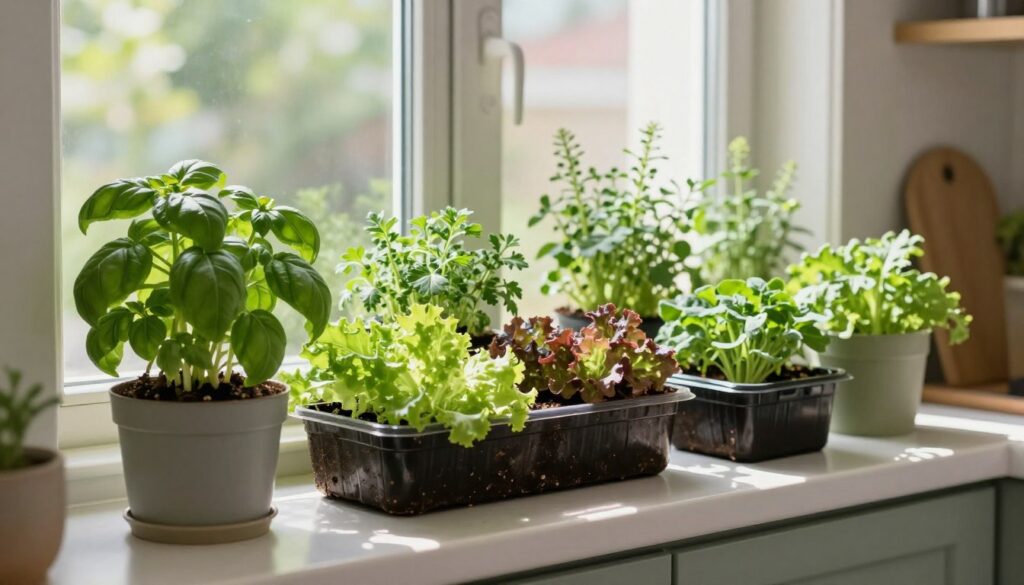
There’s something about winter that makes me crave fresh flavors. The garden sleeps under snow, the farmer’s markets close up shop, and suddenly I’m stuck choosing between sad supermarket greens that traveled a thousand miles or opening yet another can of something. That’s when I discovered the magic of bringing the garden indoors. A few years back, I started experimenting with growing herbs on my kitchen windowsill. What began as a single pot of basil turned into an entire indoor winter herb and salad garden that keeps my family fed with fresh greens throughout the coldest months. And honestly? It’s easier than you might think.This post may contain affiliate links, meaning I may earn a small commission if you choose to make a purchase through them, at no additional cost to you. I only share products and resources I genuinely believe add value and support a thoughtful, intentional lifestyle. Portions of this article were created with the assistance of AI tools and then carefully reviewed, edited, and refined by me to ensure accuracy and authenticity. This content is provided for informational purposes only.
Why Bother Growing Indoors When Winter Comes?
Look, I get it. Winter feels like the season to hibernate, not garden. But here’s what changed my mind about indoor winter herb and salad gardens. First off, there’s nothing quite like snipping fresh basil for pasta on a January evening when it’s ten degrees outside. That little act brings so much life into the house. Plus, my grocery bills dropped noticeably once I stopped buying those expensive plastic containers of herbs that always seem to go slimy before I use them all.The Upside of Indoor Gardens
- Fresh herbs and greens available anytime you need them
- Significant savings compared to store-bought organic produce
- Beautiful green life brightening up your winter space
- Therapeutic hobby during the quiet season
- Teaching kids where food comes from year-round
- Control over pesticides and growing methods
The Real Talk
- Requires some initial setup and investment
- Daily attention needed for watering
- Not every plant thrives indoors
- May need supplemental lighting in darker homes
- Takes up counter or windowsill space
Getting Started: The Simple Setup for Indoor Winter Herb and Salad Gardens
When I first started, I overthought everything. Spent hours researching fancy hydroponic systems and complicated setups. Then I realized I was making it way harder than it needed to be. You really don’t need much to get going.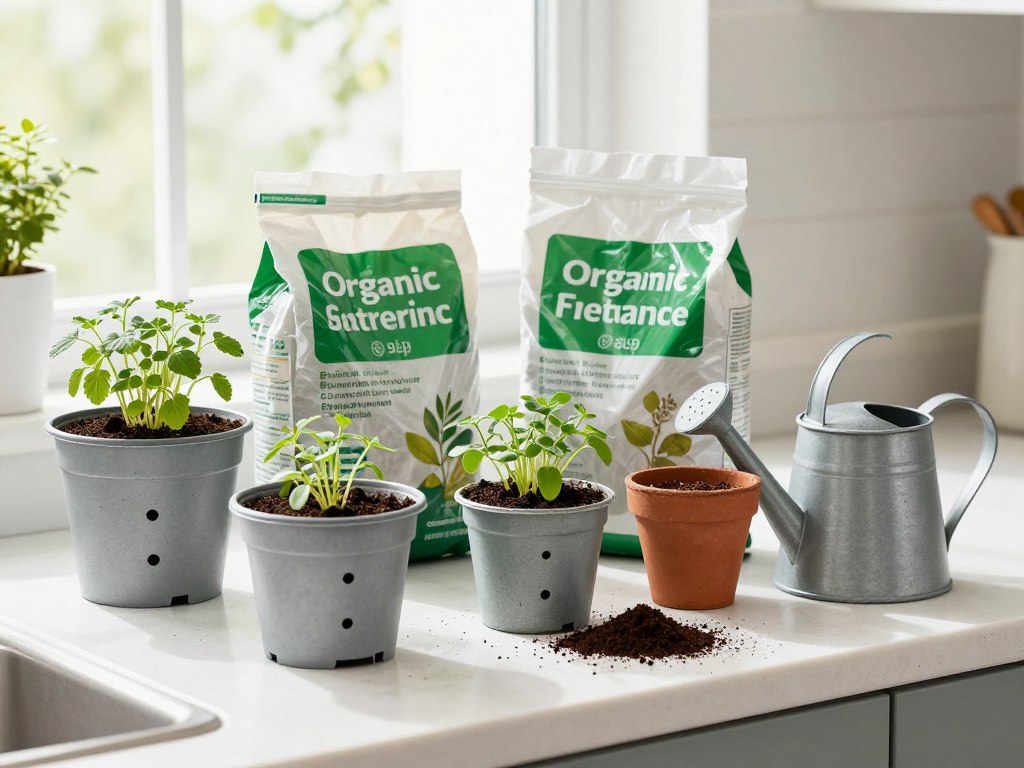
Light: Your Most Important Ingredient
Plants grow toward light. That’s pretty much their entire mission in life. For indoor winter herb and salad gardens, you need bright light for at least six hours daily. South-facing windows work best if you have them. My kitchen window faces east, which gives great morning sun but gets dim by afternoon. For a while, my herbs got leggy and weak trying to reach for more light. That’s when I invested in a simple grow light, and wow, what a difference.My Go-To Grow Light Solution
After trying several options, I landed on a full-spectrum LED grow light that clips right onto my shelf. It’s affordable, doesn’t spike my electric bill, and my plants absolutely love it. The light mimics natural sun and works wonders for herbs growing indoors throughout winter months. Check Grow Light Options You don’t need to go crazy with lighting. Even a basic LED grow light positioned about six inches above your plants grow will extend your daylight hours and keep everything thriving. I run mine from early morning until evening, giving my indoor herb garden about twelve hours of total light.Containers: Use What You’ve Got
Here’s where I saved myself a bunch of money. You don’t need fancy pots. Anything with drainage holes works perfectly fine. I’ve successfully grown herbs in old yogurt containers, coffee cans, Mason jars with holes drilled in the bottom, and yes, actual plant pots too. The key is drainage. Herbs and greens hate sitting in water. Their roots need to breathe. So whatever container you choose, make sure water can escape out the bottom. I learned this the hard way when I killed my first batch of basil by essentially drowning it in a container without holes. Quick Tip: For windowsill gardens, shallow containers work great for lettuce and most herbs. They don’t need deep soil. I use containers about four to six inches deep for lettuce, and six to eight inches for herbs like basil and parsley.Soil: Don’t Skimp Here
This is one area where quality matters. Garden soil from outside is too heavy for container growing indoors. You want a light, fluffy potting mix that drains well but holds some moisture. I use an organic potting mix from the garden center. It’s already got the right blend of ingredients to help plants grow strong. For starting seeds, I sometimes use a seed-starting mix that’s even lighter and helps those tiny seeds germinate better.What to Grow: The All-Star Cast for Your Indoor Winter Herb and Salad Gardens
Not every plant wants to live in your kitchen. Some vegetables need way too much space or light to thrive indoors. But herbs and salad greens? They’re practically made for this life. Here’s what actually works.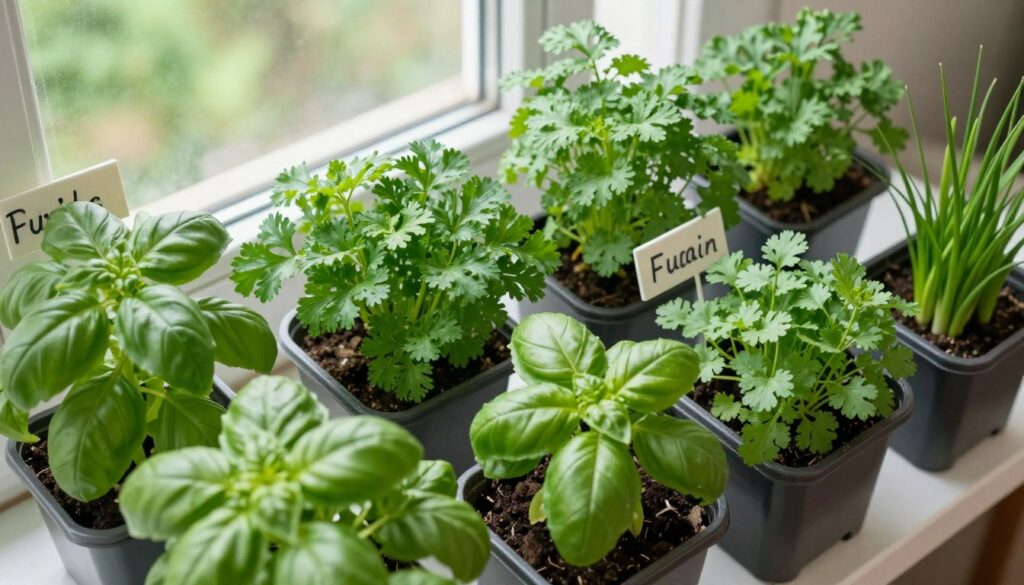
Herbs That Actually Love Indoor Life
I’ve tried growing probably twenty different herbs indoors over the years. Some barely survived. Others took over like they owned the place. Here are the winners that give me fresh flavors all winter long.Basil: The Kitchen Superstar
Basil grows fast and produces tons of leaves if you treat it right. I start with seeds or sometimes take cuttings from my outdoor plants before frost hits. Basil needs warmth and doesn’t love cold drafts from windows, so keep it away from icy glass. The trick with basil is pinching off the top leaves regularly. This makes the plant bushier instead of tall and leggy. I pinch mine every week or so, which gives me fresh basil for cooking and keeps the plant producing new growth for months.Chives: The Easiest Herb Ever
If you can mess up growing chives indoors, I honestly don’t know how. These things are bulletproof. They grow like grass, need minimal fussing, and you can snip them down to about an inch above the soil and they’ll bounce right back. I keep a pot of chives going year-round. Snip some for scrambled eggs in the morning, add them to baked potatoes at dinner, sprinkle them on salads. They’re subtle but add that perfect oniony bite to everything.Parsley: The Winter Workhorse
Both flat-leaf Italian parsley and the curly kind grow beautifully indoors throughout winter. Parsley takes a bit longer to germinate from seeds compared to other herbs, so be patient. I soak my seeds overnight before planting, which speeds things up. What I love about parsley is how much flavor it adds to winter cooking. Fresh parsley transforms a simple soup or pasta dish. It’s one of those herbs I use almost daily once it gets going.Cilantro: Love It or Leave It
Cilantro divides people pretty hard, but if you’re in the “love it” camp, grow it indoors. It germinates quickly and grows fast. The challenge with cilantro is it wants to bolt and go to seed pretty quickly, especially in warm indoor conditions. I plant cilantro seeds every few weeks so I always have young, tender plants. Once a plant starts flowering, I let it go to seed and use the coriander seeds in cooking. Nothing wasted.Mint: The Aggressive Grower
Mint is infamous for taking over outdoor gardens, which makes it perfect for container life. Keep mint in its own pot because it will try to dominate everything. I grow peppermint for tea and chocolate mint because it smells amazing. Mint tolerates less light than most herbs, which makes it great if you’ve got a north-facing window. Water it regularly, and it’ll reward you with abundant leaves throughout winter months.Thyme: The Low-Maintenance Friend
Thyme grows slowly but steadily. It’s a woody herb that doesn’t need constant harvesting like basil. A small thyme plant sitting on your windowsill will give you sprigs for cooking whenever you need them throughout the entire season.Herb Seed Collection
I always recommend starting with a variety pack of organic herb seeds. You get multiple varieties to try, figure out what you actually use in cooking, and what grows best in your space. This is exactly how I started my first indoor herb garden. Shop Herb SeedsIndoor Growing Kit
For absolute beginners, an all-in-one growing kit takes the guesswork out. These come with containers, soil, seeds, and instructions. Great way to start small and build confidence before expanding your indoor winter herb and salad gardens. View Growing KitsOrganic Potting Mix
Good soil makes all the difference. I use organic potting mix specifically formulated for containers. It stays fluffy, drains well, and gives plants the nutrients they need to thrive indoors during winter. Find Potting Mix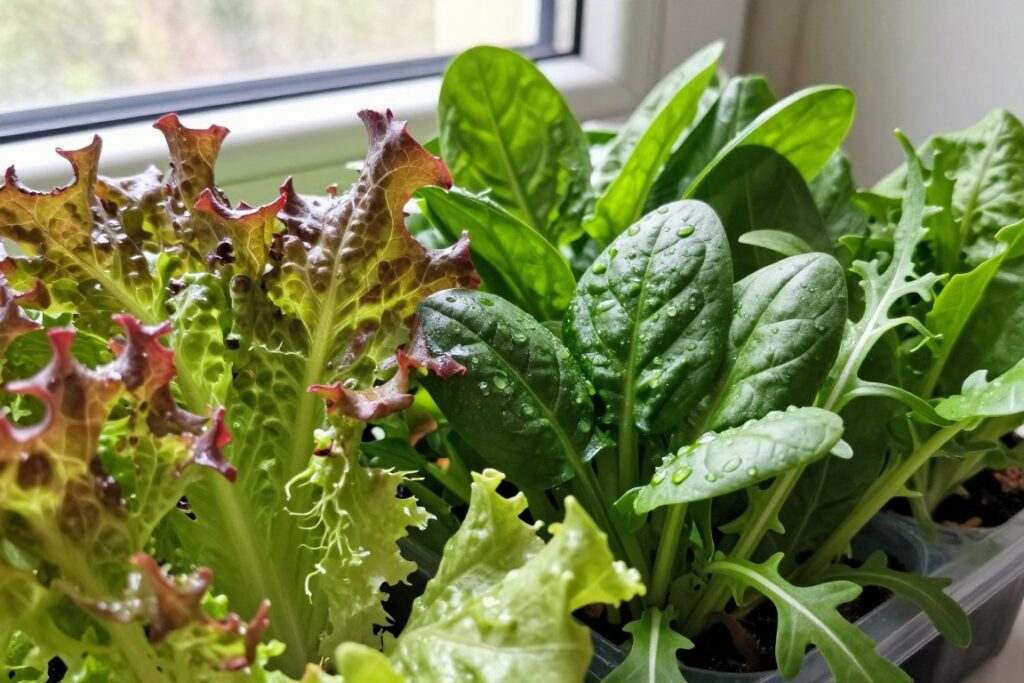
Salad Greens That Thrive Indoors
Growing your own salads indoors changes how you eat in winter. Instead of buying a whole head of lettuce that goes bad, you harvest exactly what you need for each meal. The greens taste better too, since they’re literally minutes from plant to plate.Lettuce: The Cut-and-Come-Again Champion
Loose-leaf lettuce varieties are perfect for indoor growing. Unlike head lettuce that takes forever to mature, loose-leaf types let you harvest outer leaves while the plant keeps producing new growth from the center. I grow several types of lettuce at once for variety in my salads. Some butterhead, some red leaf, maybe some oak leaf. Plant seeds about an inch apart, and in just three to four weeks, you’re harvesting baby lettuce leaves. Keep cutting the outer leaves, and that same plant will feed you for months.Spinach: Nutrient-Packed and Easy
Spinach actually prefers cooler temperatures, which makes it ideal for growing near a window in winter. The plants stay compact and produce tender leaves perfect for salads or cooking. Baby spinach is my favorite to grow indoors. The leaves stay small and tender, which is exactly what you want. I harvest outer leaves once the plant has at least six leaves total, leaving the inner leaves to keep growing.Arugula: Spicy and Fast
Arugula goes from seed to salad in about three weeks. That’s incredibly fast. The peppery flavor adds such a nice kick to winter salads that can otherwise taste pretty bland. Plant arugula seeds densely, then thin them as they grow by harvesting baby greens. The thinnings go straight into salads. Arugula doesn’t mind being crowded, and it produces abundantly in containers throughout winter months.Kale: The Sturdy Producer
Baby kale leaves are way more tender than the tough stuff you buy at stores. Growing kale indoors means harvesting young, small leaves that work great in salads or smoothies. Kale grows slower than lettuce but tolerates lower light conditions better. It’s also cold-hardy, so it doesn’t mind a chilly windowsill. One or two kale plants give you plenty of leaves for a family throughout the entire season.Microgreens: The Fastest Garden Ever
If you want fast results, microgreens are your answer. These are basically baby plants harvested when they’re just a few inches tall. You can grow microgreens from tons of different seeds: radish, broccoli, mustard, beet greens, even basil. Microgreens take only seven to fourteen days from seed to harvest. You plant them densely in shallow containers, let them grow until they have their first true leaves, then cut them at soil level. They’re packed with nutrients and add great flavor and texture to salads and sandwiches.Care Tips That Actually Work for Indoor Winter Herb and Salad Gardens
Watering: Finding the Sweet Spot
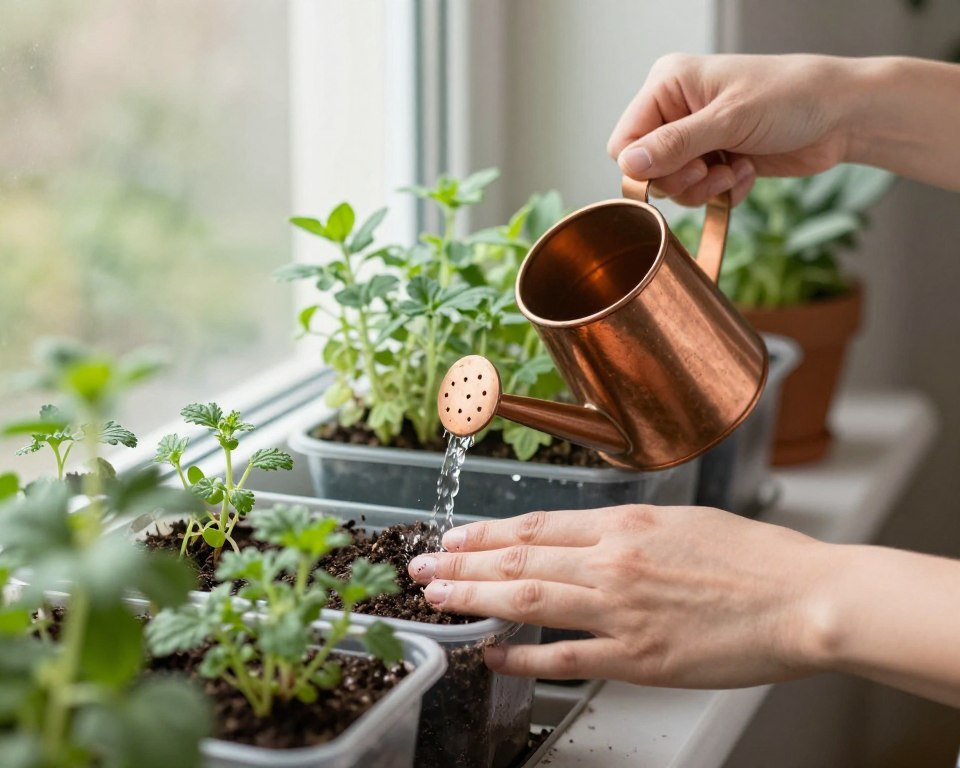
This is where most people mess up. Too much water kills more indoor plants than anything else. But let them dry out completely, and they’re toast. You need to find that middle ground. My method is simple. Stick your finger about an inch into the soil. If it feels dry down there, water. If it’s still moist, wait. Different plants need different amounts of water, but this finger test works for pretty much everything. When I do water, I water thoroughly. I take the pots to the sink and water until it runs out the drainage holes. Then I let them drain completely before putting them back on the windowsill. This ensures the entire root system gets moisture, not just the top layer of soil. Water Quality Matters: If your tap water is heavily chlorinated, let it sit out overnight before using. Or use filtered water. Some sensitive herbs like basil can be picky about water quality. In winter, you’ll probably water less than you think. Indoor heating dries out the air, but plants grow slower in winter months due to less light. Check your plants every couple days, but don’t water on a schedule. Water when the soil tells you it needs it.Feeding: Light and Occasional
Potting soil has nutrients, but eventually, plants use them up. After about a month of growth, I start feeding my herbs and greens with a diluted liquid fertilizer every two to three weeks. I use an organic liquid fertilizer at half the recommended strength. Indoor plants don’t need as much food as outdoor plants because they’re not growing as vigorously. Too much fertilizer makes herbs taste bitter and causes greens to grow too fast and get leggy.Harvesting: The Right Way to Keep Plants Producing
How you harvest makes a huge difference in how long your indoor winter herb and salad gardens produce. Harvest wrong, and you kill the plant or stunt its growth. Do it right, and you get fresh greens for months. For herbs like basil, parsley, and cilantro, always harvest from the top. Pinch off the growing tips, which encourages the plant to bush out and produce more stems. Never take more than about a third of the plant at once. For salad greens, harvest outer leaves first. Leave the center growing point intact, and the plant will keep producing new leaves. This is called “cut and come again” harvesting, and it’s how you keep lettuce and spinach producing for months instead of weeks.Herbs Harvesting
- Harvest in the morning after dew dries
- Cut stems just above a leaf node
- Take no more than one-third of the plant
- Pinch flowers off basil to extend harvest
- Use sharp scissors for clean cuts
Greens Harvesting
- Cut outer leaves first, leave inner growth
- Harvest when leaves reach 3-4 inches
- Use scissors to cut about 1/4 inch above soil
- Rinse leaves in cold water immediately
- Harvest regularly to prevent bolting
Temperature and Humidity: Creating the Right Environment
Most herbs and greens are pretty adaptable to normal house temperatures. They’re happy anywhere between 60 and 75 degrees. What they don’t like are extreme temperature swings or cold drafts from windows. If you’re growing right against a window in winter, be aware that the glass gets cold at night. I sometimes put a towel between my pots and the glass on really cold nights, or move them back from the window a bit. Indoor heating dries out the air, which can stress plants. I keep a humidity tray under my containers, which is just a shallow tray filled with pebbles and water. The pots sit on the pebbles above the water line. As water evaporates, it creates a little humid microclimate around the plants.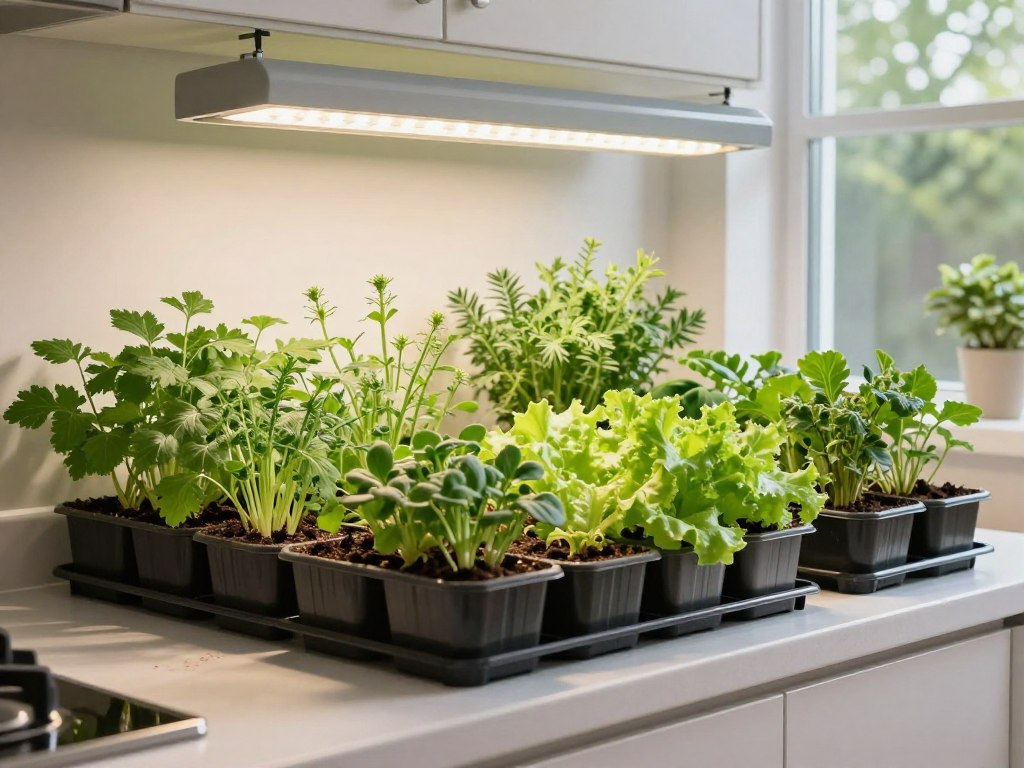
Common Problems and Simple Fixes
Even with good care, sometimes things go sideways. Here are the issues I’ve run into and how I fixed them.Plants Getting Leggy and Weak
This means not enough light. Move plants closer to the window or add a grow light. Leggy plants are reaching desperately for more sun. Once you fix the light issue, pinch back the leggy growth to encourage bushier new growth.Yellow Leaves Appearing
Usually overwatering or poor drainage. Check that your containers drain properly. Let the soil dry out more between waterings. Yellow leaves can also mean the plant needs fertilizer, but try adjusting watering first.Tiny Bugs on Leaves
Aphids sometimes show up on indoor plants. Spray them off with water in the sink. For persistent problems, mix a few drops of dish soap in water and spray the plants. Rinse after a few hours. This usually handles most indoor pests.Herbs Tasting Bitter
Too much fertilizer or not enough water. Herbs develop the best flavor when slightly stressed but not starving. Cut back on feeding and make sure plants get consistent moisture. Harvest regularly to keep new, tender growth coming.Putting It All Together: Your Indoor Winter Herb and Salad Gardens Journey
Here’s the honest truth about indoor winter herb and salad gardens. They’re not going to replace your entire summer garden. You won’t be canning tomatoes from your windowsill or storing winter squash from your counter. But that’s not the point. The point is having fresh basil for pasta on a Tuesday night in February. It’s snipping chives for your scrambled eggs while snow falls outside. It’s making a salad with lettuce you watched grow over the past few weeks instead of buying a container of spring mix that’s already starting to wilt.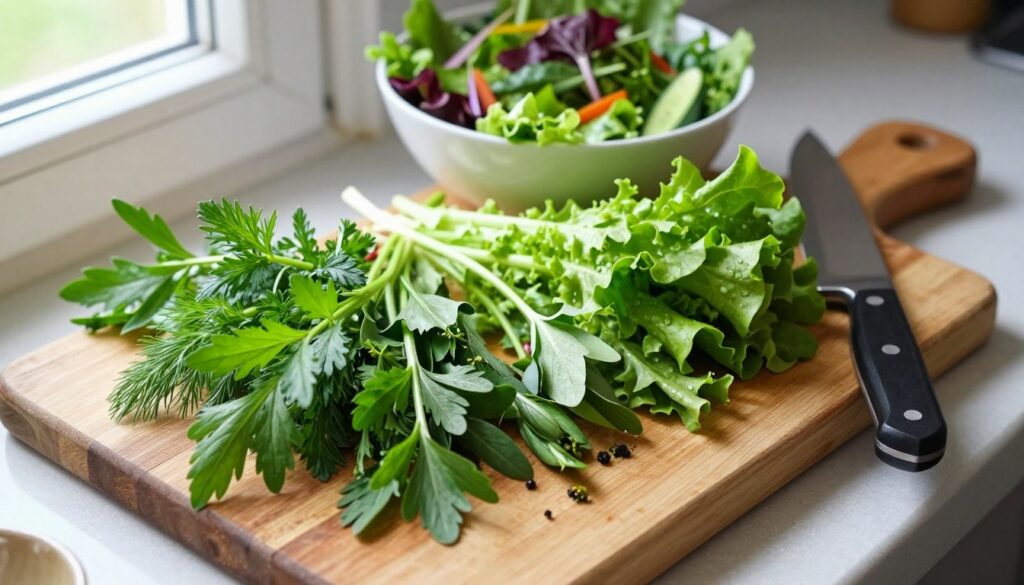 Start small. Maybe just one pot of basil or a container of mixed lettuce. See how it goes. Pay attention to what your plants tell you. They’ll let you know if they need more light, water, or space.
Throughout winter months, your little indoor garden becomes more than just a source of food. It’s a living, growing thing in your space when everything outside is dormant. There’s real joy in that. My kids check the plants every morning like they’re pets. My partner makes jokes about my “windowsill farm.” But we all eat better because of it.
Quick Start Checklist: Bright window or grow light | Containers with drainage holes | Quality potting soil | Seeds for 2-3 herbs and one salad green | Watering can | Patience for the first few weeks
The quiet season doesn’t have to mean giving up on fresh, homegrown flavors. Bring the garden indoors. Start simple. Learn as you go. And enjoy the freshness that indoor winter herb and salad gardens bring to your kitchen and your table.
Trust me, once you taste the difference between store-bought herbs that have been sitting for who knows how long and herbs you just snipped from your kitchen window, you’ll never look at winter the same way again.
Start small. Maybe just one pot of basil or a container of mixed lettuce. See how it goes. Pay attention to what your plants tell you. They’ll let you know if they need more light, water, or space.
Throughout winter months, your little indoor garden becomes more than just a source of food. It’s a living, growing thing in your space when everything outside is dormant. There’s real joy in that. My kids check the plants every morning like they’re pets. My partner makes jokes about my “windowsill farm.” But we all eat better because of it.
Quick Start Checklist: Bright window or grow light | Containers with drainage holes | Quality potting soil | Seeds for 2-3 herbs and one salad green | Watering can | Patience for the first few weeks
The quiet season doesn’t have to mean giving up on fresh, homegrown flavors. Bring the garden indoors. Start simple. Learn as you go. And enjoy the freshness that indoor winter herb and salad gardens bring to your kitchen and your table.
Trust me, once you taste the difference between store-bought herbs that have been sitting for who knows how long and herbs you just snipped from your kitchen window, you’ll never look at winter the same way again.