

We’ve all been there—waiting for that job offer, relationship milestone, or personal breakthrough that seems perpetually out of reach. When life keeps saying “not yet,” maintaining hope can feel like an impossible balancing act between denial and despair. But what if there’s a middle path? A way to stay genuinely hopeful without resorting to forced positivity that dismisses your real feelings?
Authentic hope isn’t about plastering a smile over your disappointment or pretending everything is fine when it isn’t. It’s about creating space for both your struggles and possibilities—acknowledging the reality of “not yet” while still believing in “someday.”
Disclosure & Information Note:
This post may contain affiliate links, which means I may earn a small commission if you choose to make a purchase at no additional cost to you. I only recommend products and resources I genuinely believe add value. Portions of this content were created with the assistance of AI tools and then carefully reviewed, edited, and fact-checked by me for accuracy and authenticity. All information is provided for general informational purposes only and is not intended as medical, financial, legal, or professional advice. Always consult a qualified professional before making decisions related to your health, finances, safety, or lifestyle.
Authentic Hope vs. Toxic Positivity
Before diving into strategies, let’s clarify what authentic hope actually means, especially when contrasted with toxic positivity—that pressure to “just be positive” that often leaves us feeling worse.
Toxic Positivity Says:
- “Everything happens for a reason!”
- “Just think positive thoughts!”
- “Good vibes only!”
- “It could be worse!”
- “Don’t feel bad, be grateful instead!”
Authentic Hope Says:
- “This is really hard, and I’m still here.”
- “I can acknowledge my disappointment AND keep going.”
- “Not yet doesn’t mean not ever.”
- “My feelings are valid, even as I work toward something better.”
- “I can be both realistic about now and hopeful about later.”
Authentic hope acknowledges the full spectrum of your experience. It doesn’t demand that you ignore reality or suppress difficult emotions. Instead, it creates space for both your present struggles and future possibilities.
“Hope is not pretending that troubles don’t exist. It is the trust that they will not last forever, that hurts will be healed and difficulties overcome.”
The “not yet” concept is particularly powerful because it reframes rejection or delay not as a permanent “no,” but as a “not at this moment.” This subtle shift maintains the possibility of future success while honoring your current reality.

The Psychological Benefits of Authentic Hope
When we allow ourselves to experience disappointment while still maintaining hope, we access several psychological benefits that forced positivity can’t provide:
Emotional Integration
Processing difficult emotions rather than suppressing them leads to greater emotional resilience and reduced anxiety over time.
Cognitive Flexibility
Balancing realism with optimism enhances problem-solving abilities and helps you adapt to changing circumstances.
Authentic Connection
Acknowledging struggles allows for deeper connections with others, reducing isolation during difficult waiting periods.
Research consistently shows that people who maintain realistic hope—rather than blind optimism or persistent pessimism—demonstrate greater resilience during setbacks and recover more quickly from disappointments.
The Paradox of Hope: Studies suggest that acknowledging difficulty actually strengthens your capacity for hope, while forced positivity often leads to emotional exhaustion and diminished resilience over time.

5 Strategies for Staying Hopeful During the “Not Yet”
When life keeps you waiting, these evidence-based approaches can help you maintain authentic hope without denying your current reality.
1. Practice Patience as an Active Choice
Patience isn’t passive waiting—it’s an active practice that requires intention and skill. When we reframe patience as something we actively do rather than passively endure, we reclaim agency in waiting periods.
Try This: Patience Meditation
Set aside 5 minutes daily to practice intentional patience. Focus on your breath while repeating: “I am actively practicing patience. This moment is part of my journey, not just a waiting room.”

2. Reframe “Failure” as Data Collection
Every “not yet” provides valuable information about what works, what doesn’t, and what might need adjustment. By viewing setbacks as data rather than definitive judgments on your worth or abilities, you maintain hope while becoming more strategic.
Try This: Failure Analysis Journal
After each setback, write down:
- What specifically didn’t work
- What you learned from the experience
- One adjustment you’ll make next time
- What remains possible despite this setback
3. Find “Small Wins” Within Larger Waiting Periods
While waiting for major breakthroughs, identifying and celebrating smaller achievements helps maintain momentum and provides evidence of your progress and capability.
Try This: Progress Inventory
Each week, document three types of wins:
- Skill wins: New abilities or improvements you’ve developed
- Effort wins: Actions you took despite difficulty
- Character wins: Ways you’ve grown as a person during this waiting period

4. Cultivate a “Hope Community”
Surrounding yourself with people who can both validate your struggles and reinforce your hope creates a powerful support system during extended waiting periods.
Try This: Hope Circle
Identify 3-5 people who:
- Allow you to express genuine feelings without judgment
- Don’t rush to “fix” your emotions with toxic positivity
- Can remind you of your strengths when you forget
- Have demonstrated resilience in their own lives
Schedule regular check-ins with these people during challenging waiting periods.
5. Connect With a Larger Purpose or Perspective
Finding meaning beyond your immediate goals helps maintain hope when specific outcomes remain uncertain. This doesn’t diminish your current desires but places them within a broader context.
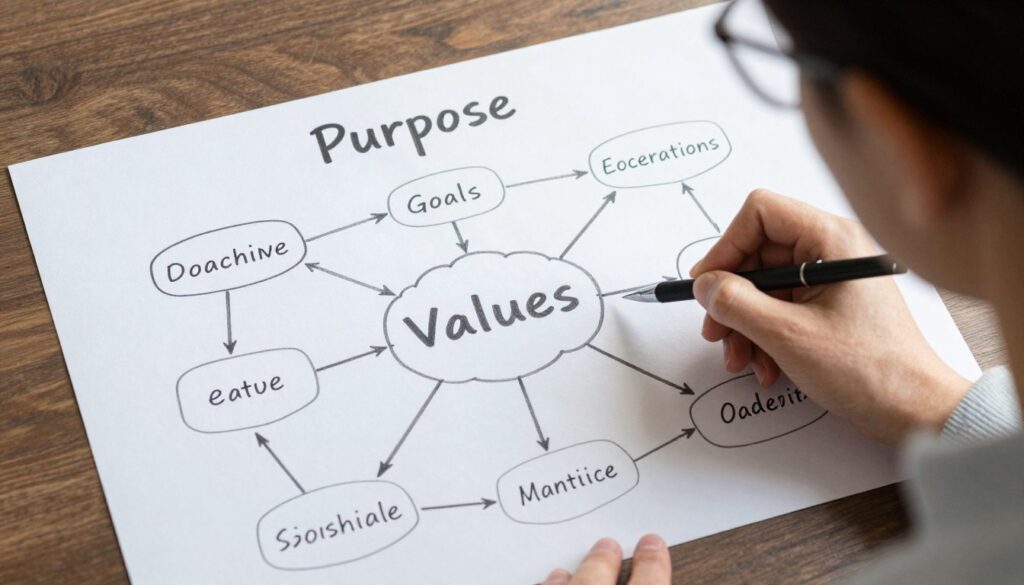
Try This: Purpose Mapping
Create a visual map that connects your current goal to larger values and purposes:
- In the center, write your specific “not yet” goal
- Around it, write the values this goal represents (e.g., creativity, security, connection)
- In the outer circle, write alternative ways to honor these same values
When Hope Becomes Harmful: Recognizing the Warning Signs
While authentic hope sustains us through difficult times, certain forms of hope can actually increase suffering. Learning to distinguish between helpful and harmful hope is crucial for emotional wellbeing.
Signs Your Hope May Be Harmful:
- Attachment to specific outcomes you cannot control
- Denial of reality or refusal to adapt to changing circumstances
- Persistent rumination about “if only” scenarios
- Postponing happiness until a specific goal is achieved
- Continuing to invest in situations with clear evidence of harm
Healthy hope remains flexible, acknowledges reality, and isn’t attached to one specific path or outcome. It’s about maintaining possibility while adapting to what is.
“Hope is not about proving anything. It’s about choosing to believe this one thing: that love is bigger than any grim, bleak shit anyone can throw at us.”

Redirecting Harmful Hope
When you recognize harmful hope patterns, these practices can help you redirect toward more sustainable forms of hope:
Open-Handed Hope
Practice holding your desires with open hands rather than clenched fists. Visualize your goal resting in your open palms—still present and valued, but not grasped with desperate attachment.
Multiple Pathways Thinking
For any important goal, identify at least three different routes to the underlying value it represents. This prevents tunnel vision and maintains hope even when specific paths become blocked.
Try This: Hope Redirection Exercise
When you notice harmful hope patterns:
- Acknowledge the attachment without judgment
- Identify the underlying value or need driving the attachment
- Generate three alternative ways to honor that value
- Take one small action toward one of these alternatives

Embracing the “Not Yet” as Part of Your Journey
Perhaps the most powerful reframe is seeing the “not yet” period not as a frustrating delay but as an integral part of your story—a time of preparation, growth, and unexpected discoveries.
“The waiting itself is beneficial to us: it’s how we become what we are meant to become. Even more so in a world of instant gratification, we must learn to say, ‘This will take time, and that’s okay.'”
Many of history’s most impactful individuals experienced significant “not yet” periods that later proved essential to their ultimate contributions. Nelson Mandela’s 27 years in prison, J.K. Rowling’s years of rejection letters, and countless others found that their waiting periods weren’t just obstacles but formative experiences that shaped their eventual success.
Try This: “Not Yet” Narrative Rewrite
Write two versions of your current story:
- Version 1: The frustrating delay narrative (what it feels like now)
- Version 2: The meaningful chapter narrative (how this period might appear when looking back from the future)
Read both versions weekly, recognizing that both contain truth, while intentionally strengthening the second perspective.

Daily Practices for Staying Hopeful
Incorporate these simple daily practices to maintain authentic hope during extended “not yet” periods:
Morning Possibility Scan
Begin each day by identifying three possibilities that exist today, regardless of your larger waiting situation.
Gratitude + Longing
Practice acknowledging both gratitude for what is AND honest longing for what isn’t yet—holding both simultaneously.
Evidence Collection
Gather daily evidence of progress, resilience, or unexpected gifts within your waiting period.

The Courage to Hope Authentically
Staying hopeful during “not yet” periods isn’t about denying reality or forcing positivity. It’s about having the courage to acknowledge both what is and what might be—to feel the weight of waiting while still believing in possibility.
Remember that “not yet” is not the same as “not ever.” By practicing authentic hope—hope that makes room for your full experience—you develop not just the ability to endure waiting periods but to find meaning and growth within them.