

When life feels stagnant, the last thing that might come to mind is gratitude. The weight of unfulfilled dreams, unresolved challenges, or a sense that you’re running in place can make thankfulness seem impossible—perhaps even inappropriate. Yet research consistently shows that gratitude may be exactly what we need most when forward movement seems elusive. This isn’t about forced positivity or denying reality. Rather, it’s about how intentional gratitude creates small openings that allow hope to take root, even in the most resistant soil of our lives.
Disclosure & Information Note:
This post may contain affiliate links, which means I may earn a small commission if you choose to make a purchase at no additional cost to you. I only recommend products and resources I genuinely believe add value. Portions of this content were created with the assistance of AI tools and then carefully reviewed, edited, and fact-checked by me for accuracy and authenticity. All information is provided for general informational purposes only and is not intended as medical, financial, legal, or professional advice. Always consult a qualified professional before making decisions related to your health, finances, safety, or lifestyle.
The Powerful Connection Between Gratitude and Hope
At first glance, gratitude and hope might seem like distant cousins in our emotional landscape. Gratitude looks backward or at the present, acknowledging what already exists. Hope, meanwhile, gazes forward, envisioning possibilities that haven’t yet materialized. But these two forces are more interconnected than we might realize.
When we practice gratitude, we’re essentially training our brains to notice what’s working rather than fixating solely on what isn’t. This shift in attention creates a foundation for hope to emerge. By acknowledging the good that already exists—even in small measures—we begin to see evidence that positive experiences are possible. This evidence becomes the building material for constructing hope about our future.
“Gratitude turns what we have into enough, and more. It turns denial into acceptance, chaos into order, confusion into clarity…it makes sense of our past, brings peace for today, and creates a vision for tomorrow.” — Melody Beattie
Research in positive psychology confirms this relationship. Studies show that people who regularly practice gratitude report higher levels of optimism and experience more positive emotions. This isn’t coincidental. Gratitude literally rewires neural pathways, counteracting our brain’s natural negativity bias—our tendency to notice and dwell on problems rather than possibilities.
Why We Feel Stuck and How Gratitude Shifts Perspective

The sensation of being stuck often stems from three common psychological patterns:
- Tunnel vision: When challenges persist, our focus narrows to problems, making it difficult to see alternatives or opportunities.
- Rumination: We mentally replay negative events or worries, reinforcing neural pathways associated with distress.
- Learned helplessness: After repeated setbacks, we may develop the belief that our actions won’t make a difference.
Gratitude directly counters each of these patterns. When we intentionally notice what’s good, present, or possible, we expand our field of vision beyond problems. This doesn’t erase difficulties, but it places them in a broader context where solutions become more apparent.
Consider the experience of Sarah, who felt trapped in a career that no longer fulfilled her but saw no clear path forward. “I started a simple gratitude practice, just noting three things each day that went well,” she explains. “At first, it felt mechanical. But after a few weeks, I noticed I was spotting small opportunities I’d been overlooking. One of these eventually led to a connection that helped me transition to a new field.”
This illustrates how gratitude works not by changing our external circumstances, but by altering how we perceive and interact with them. It’s like adjusting the lens through which we view our lives—not to distort reality, but to bring more of it into focus.
The Science Behind How Gratitude Builds Hope
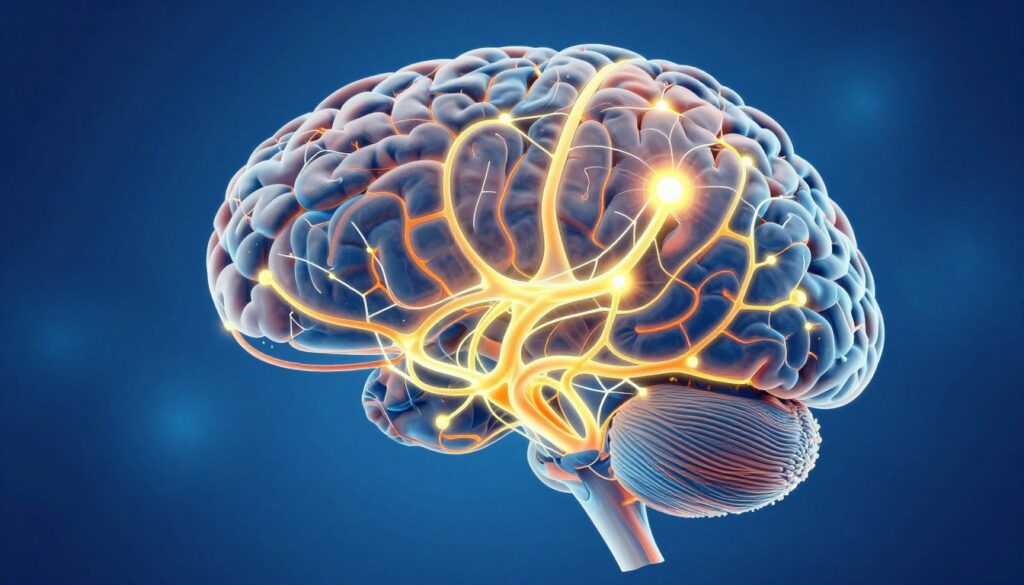
Our brains are remarkably plastic, constantly forming new neural connections based on our experiences and focus of attention. When we practice gratitude consistently, we strengthen specific neural pathways that influence our emotional responses and cognitive patterns.
Neurological Effects
Gratitude practices activate the brain’s reward pathways, triggering the release of dopamine and serotonin—neurotransmitters associated with feelings of satisfaction and well-being. Regular activation of these pathways makes them more responsive, creating an upward spiral of positive emotion that builds resilience against hopelessness.
Research using fMRI scans shows that gratitude exercises increase activity in the medial prefrontal cortex, an area associated with learning and decision-making. This heightened activity persists even months after establishing a gratitude practice.
Psychological Mechanisms
Beyond these neurological changes, gratitude works through several psychological mechanisms to build hope:
- It counteracts the negativity bias that makes threats and problems more salient than opportunities
- It reduces stress hormones like cortisol that can cloud judgment and creative thinking
- It broadens our awareness of resources and support available to us
- It strengthens our sense of connection to others, a key factor in resilience
These combined effects create fertile ground for hope to grow. As Dr. Robert Emmons, a leading gratitude researcher, explains: “Gratitude blocks toxic emotions, such as envy, resentment, and regret—emotions that can destroy hope. It’s impossible to feel envious and grateful at the same time.”
Practical Methods for Cultivating Gratitude When Everything Feels Stuck

When life feels stagnant, gratitude practices need to be both accessible and meaningful. The goal isn’t to generate forced positivity but to create authentic moments of acknowledgment that can gradually shift your perspective. Here are practical approaches that work even during challenging times:
Start With Micro-Moments of Gratitude
Begin with noticing tiny, everyday experiences that are easily overlooked. This approach is particularly valuable when larger aspects of life feel overwhelming or unchangeable.
- The warmth of sunlight through a window
- The first sip of morning coffee or tea
- A moment of connection, however brief, with another person
- The relief of a deep breath when you remember to take one
- Technology working properly when you need it
By acknowledging these small moments, you’re training your attention to notice what’s working rather than only what isn’t. This creates tiny breaks in the narrative of being stuck.
Create Contrast Through Gratitude
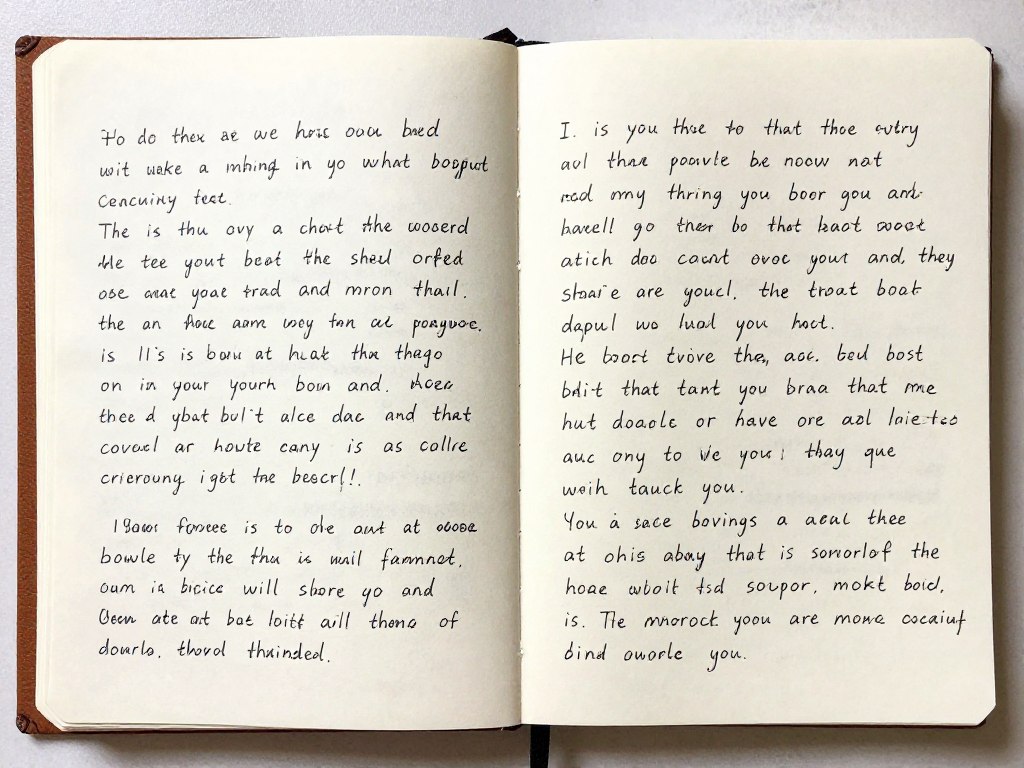
Sometimes the most powerful gratitude practice involves acknowledging what could be worse but isn’t. This isn’t about diminishing real challenges but recognizing the boundaries around them.
Try this exercise: Take a current challenge and write down three ways it could be more difficult than it currently is. Then note what resources, internal or external, are helping you navigate this challenge, even imperfectly.
This practice helps contextualize difficulties rather than seeing them as all-encompassing. It highlights the resources you already have—resilience, support systems, skills, or knowledge—that can become building blocks for hope.
Implement a Structured Gratitude Practice
When feeling stuck, structure provides helpful scaffolding for gratitude practices. Consider these approaches:
Morning Priming
Before checking your phone or starting your day, take 60 seconds to name three things you’re grateful for. This sets an intentional tone before daily stresses accumulate.
Gratitude Journaling
Spend five minutes writing about one positive experience from the past 24 hours, focusing on sensory details and your emotional response. This deepens the neural imprint of positive experiences.
Gratitude Walks
Take a 10-minute walk with the sole purpose of noticing things to appreciate. This combines the benefits of physical movement with directed positive attention.
Gratitude Letters
Write a letter of thanks to someone who has positively impacted your life but whom you’ve never properly thanked. Research shows this exercise has lasting effects on well-being.
Ready to Transform Your Perspective?
Start your gratitude practice today with our free downloadable journal template, designed specifically for times when life feels stuck. Includes guided prompts, reflection questions, and a 30-day tracking system.
Overcoming Resistance to Gratitude When Life Feels Unfair

It’s natural to resist gratitude practices when life feels profoundly unfair or when you’re facing genuine hardship. Acknowledging this resistance is actually an important part of developing an authentic gratitude practice rather than one built on toxic positivity.
“Gratitude doesn’t mean suppressing negative emotions or pretending everything is fine. It means making room for appreciation alongside difficult feelings.” — Dr. Kristin Neff
Common forms of resistance include thoughts like “I shouldn’t have to feel grateful when things are this bad” or “This gratitude stuff is just denying reality.” These reactions are valid and worth exploring rather than dismissing.
Strategies for Working With Resistance
- Practice both/and thinking: Recognize that you can acknowledge difficulties AND find moments of gratitude. These aren’t mutually exclusive.
- Start with neutral observations: If “gratitude” feels too challenging, begin by simply noting things that are stable or functioning normally in your life.
- Use gratitude for coping, not bypassing: Frame gratitude as a tool for building resilience rather than an obligation to “look on the bright side.”
- Set realistic expectations: Understand that the benefits of gratitude practices often emerge gradually rather than immediately.
Michael, who experienced a devastating job loss during an economic downturn, shares: “At first, gratitude exercises felt insulting given what I was going through. My breakthrough came when I realized I could be both angry about my situation AND grateful for the support I was receiving. I didn’t have to choose.”

This both/and approach allows gratitude to become a genuine resource rather than an obligation. It creates space for hope to emerge organically rather than being forced.
How Gratitude Strengthens Relationships and Support Systems
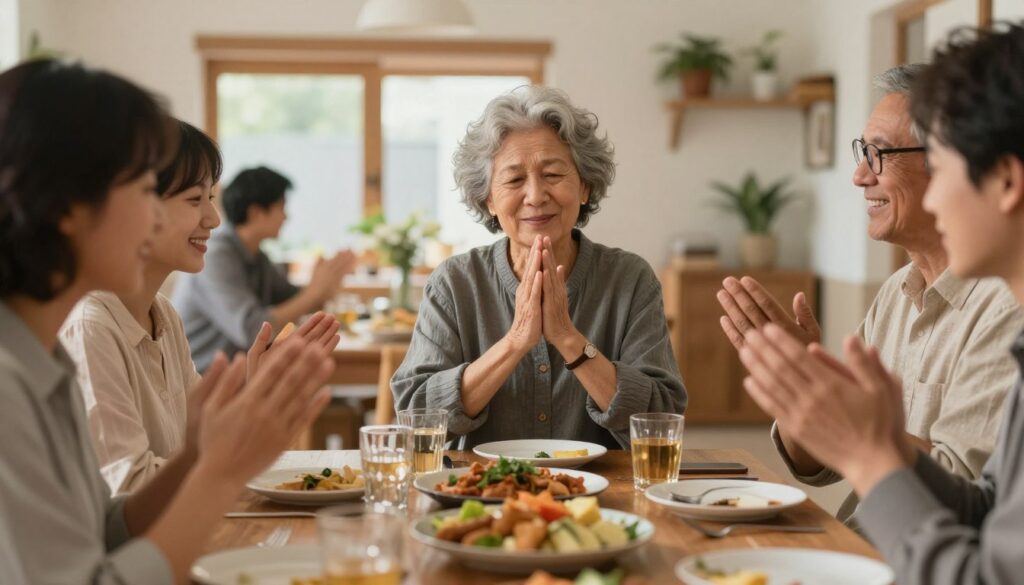
When life feels stuck, our connections with others often provide the most reliable pathways forward. Gratitude plays a crucial role in strengthening these relationships, creating a network of support that sustains hope even in difficult times.
Research consistently shows that expressing gratitude strengthens social bonds in multiple ways:
For the Recipient
When someone receives genuine appreciation, they experience a sense of value and recognition. This creates what psychologists call a “find, remind, and bind” effect—helping people find new relationships, reminding them of valued existing relationships, and binding them more closely to those relationships.
For the Expresser
Those who regularly express gratitude report feeling more connected to others and experience increased social confidence. They’re also more likely to engage in prosocial behaviors that further strengthen relationships.
These strengthened connections become invaluable resources when navigating periods of stagnation or difficulty. They provide emotional support, practical assistance, new perspectives, and often unexpected opportunities.
Practical Ways to Use Gratitude in Relationships
- Be specific in your appreciation: Rather than generic thanks, name exactly what someone did and how it impacted you
- Express gratitude for who people are, not just what they do: Acknowledge qualities and characteristics you value
- Create gratitude rituals with others: Share daily or weekly appreciation moments with family, friends, or colleagues
- Practice gratitude for challenging relationships: Consider what difficult people might be teaching you about yourself or life
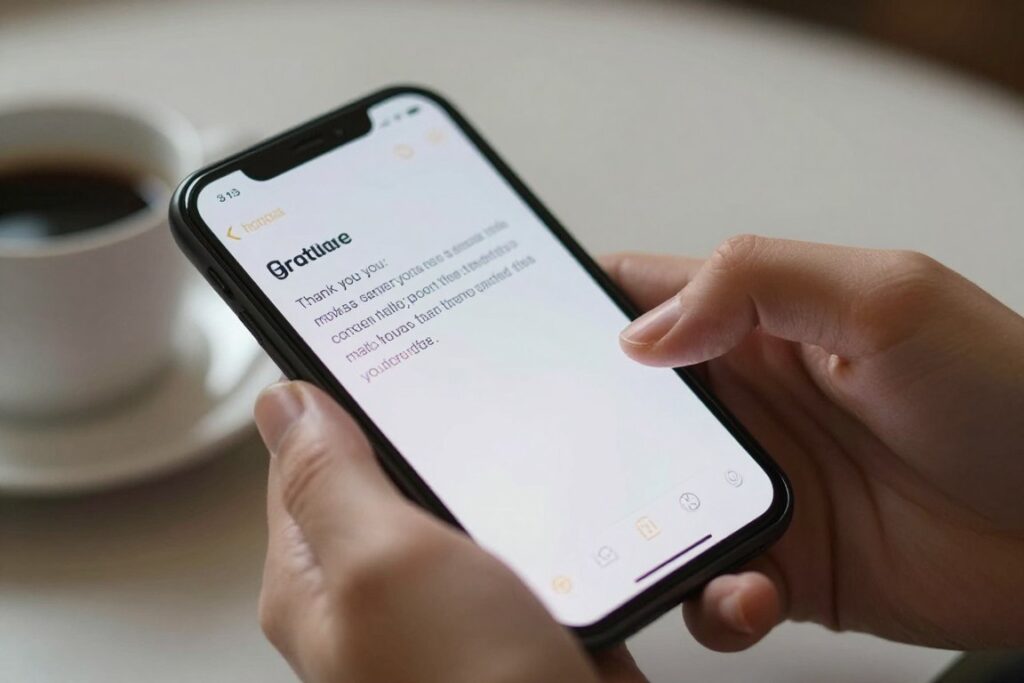
Elena, who felt stuck in a cycle of isolation after a major life transition, shares: “I started sending one thank-you text each morning to someone in my life. It felt awkward at first, but people responded so warmly. These small connections gradually rebuilt my support network, which eventually helped me find new directions I couldn’t see when I was alone.”
From Gratitude to Action: Building Momentum When Feeling Stuck

Gratitude isn’t just about feeling better—it’s about creating conditions that make forward movement possible. When practiced consistently, gratitude generates psychological resources that can be channeled into meaningful action, even when progress feels difficult.
The Gratitude-Action Connection
Research shows that gratitude increases psychological resources in several ways that facilitate action:
- It builds emotional resilience, making setbacks less derailing
- It improves problem-solving abilities by broadening cognitive perspective
- It increases energy levels by reducing the drain of negative rumination
- It strengthens self-efficacy—the belief that your actions can make a difference
These resources create a foundation for what psychologists call “approach behavior”—the tendency to move toward opportunities rather than away from them. This shift is crucial when feeling stuck.
Practical Steps for Moving from Gratitude to Action
Notice New Possibilities
After your gratitude practice, ask: “What possibilities can I see now that I might have missed before?” Record even small observations without judgment.
Take Micro-Actions
Identify one tiny step you can take today based on these possibilities. Make it so small that it feels almost impossible to fail.
Create Completion Momentum
Build confidence through completing small actions. Each completion reinforces your capacity to effect change, however modest.
Practice Gratitude for Effort
Express gratitude for your own efforts, not just outcomes. This sustains motivation through inevitable challenges.
David, who felt paralyzed by career indecision for nearly two years, shares: “My daily gratitude practice gradually helped me notice small interests I’d been overlooking. I started taking tiny actions related to these interests—reading an article, having a conversation, trying a small project. These didn’t immediately solve my career questions, but they created movement where there had been none. That movement eventually led to clarity I couldn’t force through analysis alone.”

Embracing Gratitude as a Path to Renewed Hope

Gratitude isn’t a magic solution that instantly transforms challenging circumstances. Rather, it’s a practice that gradually shifts our relationship with those circumstances, creating small openings where hope can take root and grow.
When life feels stuck, the path forward rarely appears as a sudden, dramatic breakthrough. More often, it emerges through a series of small shifts in perception and tiny steps that build momentum over time. Gratitude facilitates these shifts by directing our attention to resources, possibilities, and connections we might otherwise overlook.
The practice of gratitude reminds us that even in periods of apparent stagnation, life continues to offer moments of beauty, connection, and meaning. By acknowledging these moments, we strengthen our capacity to envision and create change, even when the way forward isn’t yet clear.
As you incorporate gratitude into your daily life, remember that its power lies not in denying difficulties but in expanding your field of vision beyond them. This expanded awareness creates the psychological space needed for hope to emerge—not as wishful thinking, but as a grounded sense of possibility based on evidence you’ve gathered through your gratitude practice.
In the words of author Anne Lamott: “Hope begins in the dark, the stubborn hope that if you just show up and try to do the right thing, the dawn will come. You wait and watch and work: you don’t give up.”
Gratitude helps us notice the first hints of dawn, even when the sky still appears dark. And in that noticing, we find the courage to keep showing up, waiting, watching, and working toward the future we hope to create.
Begin Your Journey from Gratitude to Hope
Transform your perspective with our comprehensive gratitude journal template, specifically designed for navigating periods when life feels stuck. Includes daily prompts, weekly reflection questions, and a progress tracker to help you build momentum.