
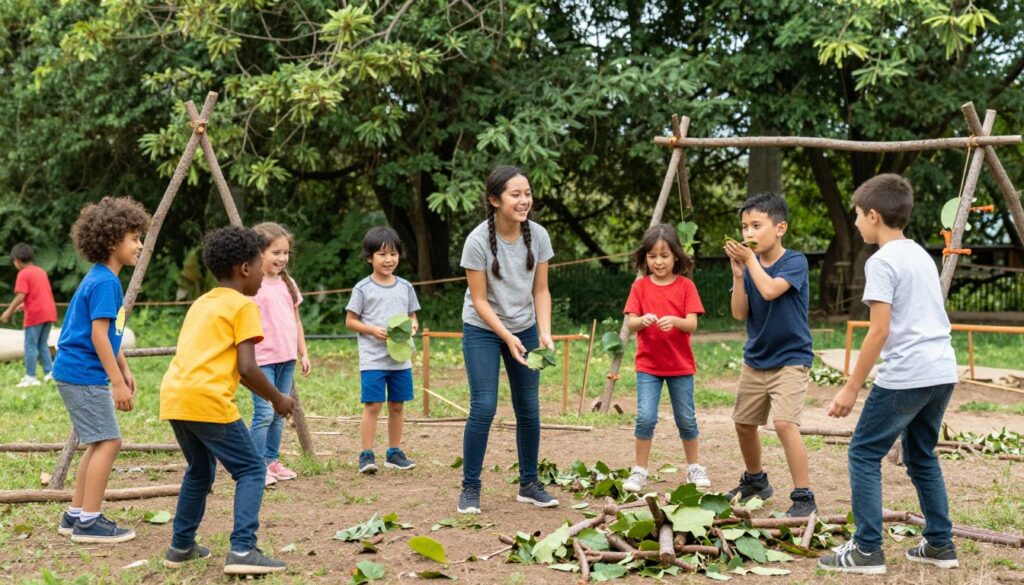
In today’s structured world of scheduled activities and screen time, the simple act of free play has become increasingly rare. Yet this unstructured, child-led play is not just fun—it’s a fundamental building block for healthy mental and emotional development. When children engage in free play, they’re not just passing time; they’re developing crucial life skills that will serve them well into adulthood.
Disclosure & Information Note:
This post may contain affiliate links, which means I may earn a small commission if you choose to make a purchase at no additional cost to you. I only recommend products and resources I genuinely believe add value. Portions of this content were created with the assistance of AI tools and then carefully reviewed, edited, and fact-checked by me for accuracy and authenticity. All information is provided for general informational purposes only and is not intended as medical, financial, legal, or professional advice. Always consult a qualified professional before making decisions related to your health, finances, safety, or lifestyle.
What Exactly Is Free Play?
Free play is unstructured play that children direct themselves, without adult supervision or imposed rules. Unlike organized sports, video games, or adult-led activities, free play allows children to decide what and how to play, making up and modifying rules as they go along. It’s spontaneous, creative, and driven by the child’s own curiosity and imagination.
“Play consists of whatever a body is not obliged to do.” – Mark Twain, in the voice of Tom Sawyer
Free play stands in stark contrast to today’s highly scheduled childhoods filled with lessons, structured activities, and screen time. While these activities have their place, they don’t provide the same developmental benefits as unstructured play where children set their own pace and direction.

The Mental Health Benefits of Free Play
Research consistently shows that free play is not a luxury but a necessity for children’s mental health and development. When children engage in unstructured play, they develop crucial skills that form the foundation of emotional well-being.
Emotional Regulation and Resilience
Through free play, children learn to understand and manage their emotions in a safe environment. They experience joy, frustration, excitement, and disappointment—all within the context of play where the stakes are low but the learning is high.
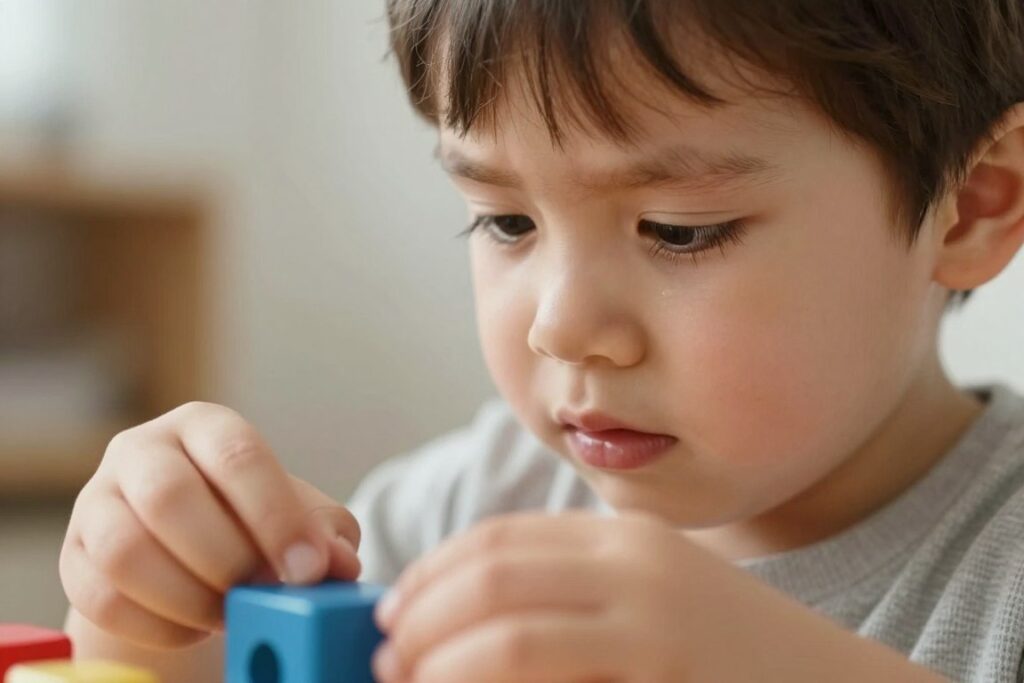
When children navigate the ups and downs of play, they build resilience—the ability to bounce back from setbacks. A child who falls while climbing learns to get back up and try again. This resilience becomes a crucial life skill that supports mental health throughout life.
Social Development and Relationship Skills
Free play with peers provides a natural laboratory for developing social skills. Children learn to negotiate, compromise, take turns, and resolve conflicts—all without adult intervention. These experiences help them understand different perspectives and develop empathy.
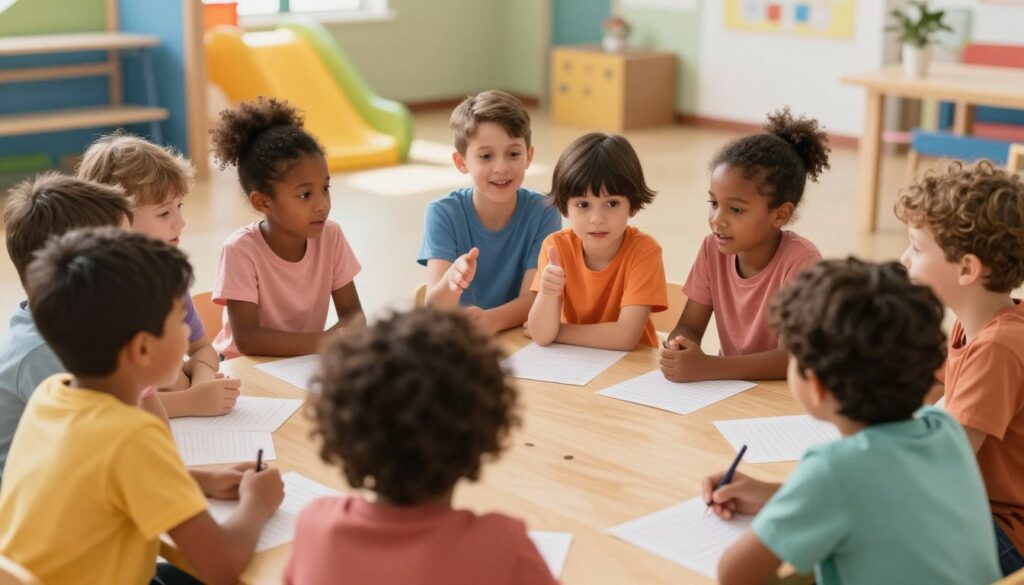
Through play, children practice the give-and-take of relationships, learning that others have different ideas and feelings. These social skills form the foundation for healthy relationships throughout life and are strongly linked to better mental health outcomes.
Cognitive Development and Problem-Solving
Free play stimulates cognitive development in ways that structured learning often cannot. When children build forts, create imaginary worlds, or figure out how to cross a stream, they’re developing executive functions—the brain’s ability to plan, problem-solve, and think flexibly.
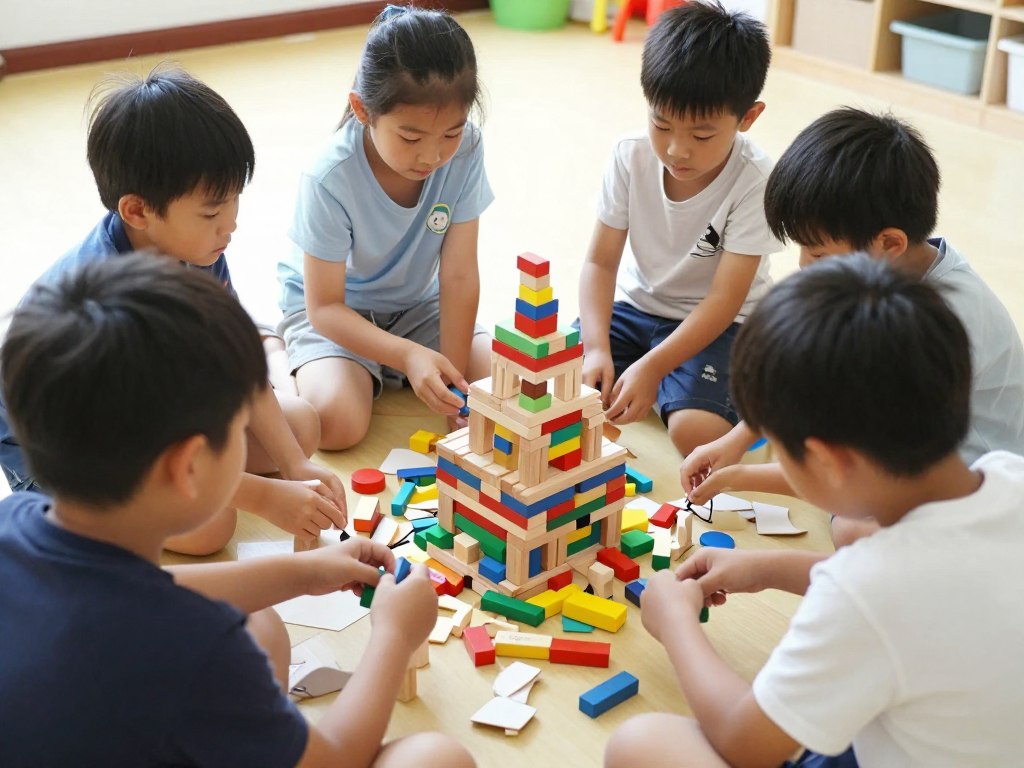
A 2014 study found that children who spent more time in unstructured activities showed better self-directed executive functioning. These skills are crucial not just for academic success but for mental health, as they help children navigate challenges and regulate their behavior.
Building a Positive Sense of Self
When children direct their own play, they develop autonomy and confidence in their abilities. They learn to trust their instincts, make decisions, and see themselves as capable individuals who can affect their environment.
This sense of agency is fundamental to good mental health. Children who believe in their ability to handle challenges are less likely to experience anxiety and depression as they grow older.
The Modern Challenge: Why Free Play Is Disappearing
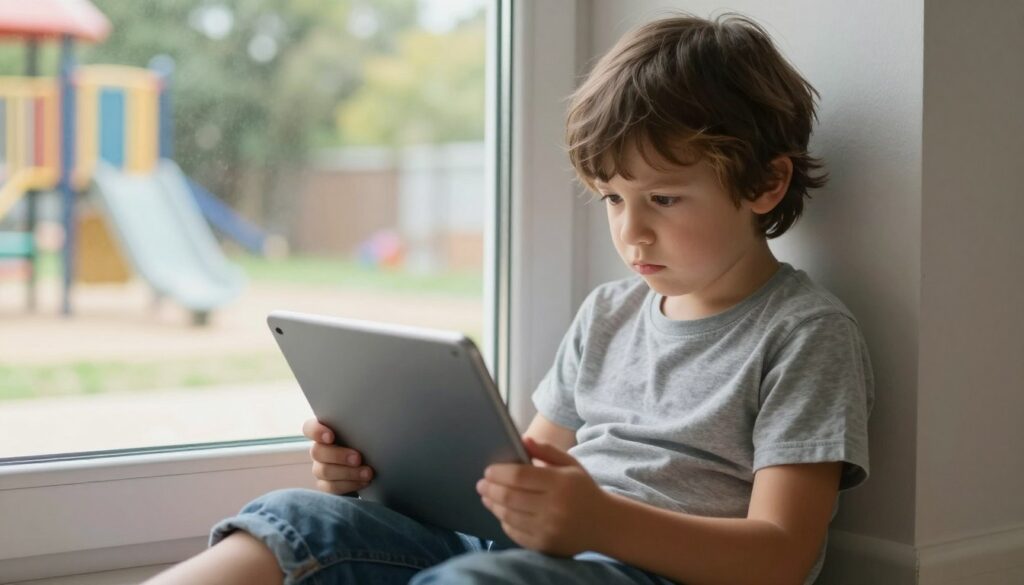
Despite its importance, free play has been declining for decades. Several factors contribute to this concerning trend:
Barriers to Free Play
- Overscheduled Lives: Many children move from school to extracurricular activities with little downtime.
- Screen Time: Digital devices capture hours that might otherwise be spent in active play.
- Safety Concerns: Parental fears about outdoor safety have limited children’s independent mobility.
- Academic Pressure: Emphasis on early academics has reduced time for play, even in preschool settings.
- Lack of Space: Urbanization has reduced access to safe, open spaces for unstructured play.
The consequences of play deprivation are serious. Research shows that the decline in free play correlates with increases in childhood anxiety, depression, and feelings of helplessness. Some psychologists believe that without adequate free play, children may grow into anxious, socially maladjusted adults.
“The decline of free play may be at the root of a serious problem confronting children today: the rise in childhood mental disorders.”
Practical Guidance: Bringing Free Play Back
The good news is that free play doesn’t require expensive equipment or special training. Here are practical ways to incorporate more unstructured play into children’s lives:
Creating Time and Space for Play
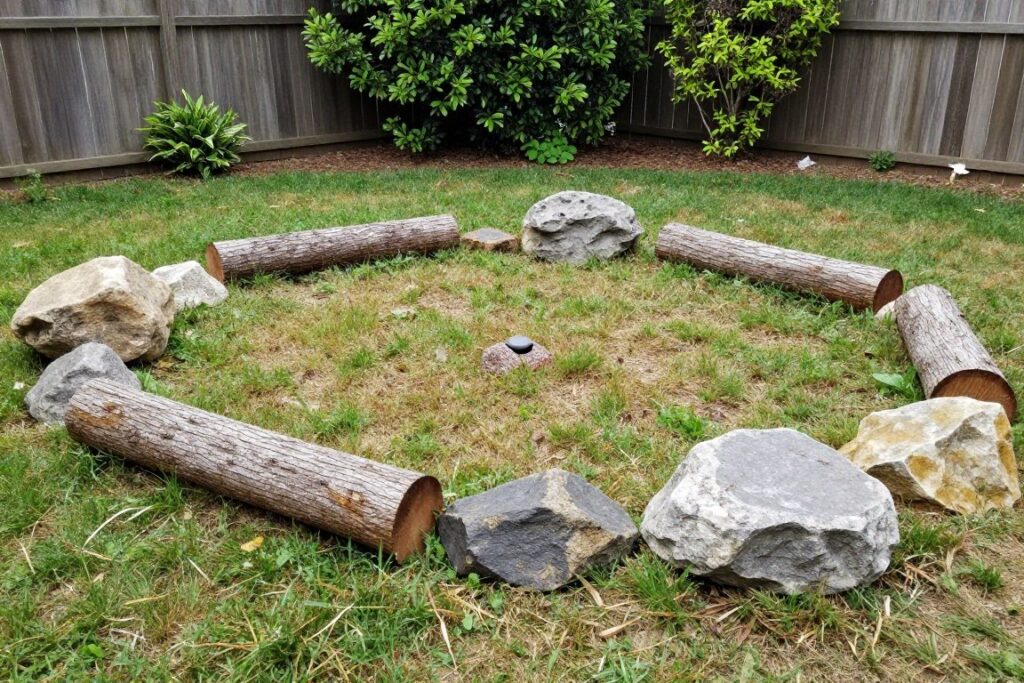
- Schedule unscheduled time. Block out periods in your family calendar specifically for free play—and protect this time as you would any important appointment.
- Limit structured activities. Consider whether your child really needs every lesson and class. One or two structured activities per week is plenty for most children.
- Create play-friendly spaces. Even small areas can become play zones with simple, open-ended materials like blocks, art supplies, or dress-up clothes.
- Embrace outdoor play. Natural environments particularly stimulate creativity and physical activity. Even a small backyard or local park offers rich play opportunities.
Providing the Right Materials

The best play materials are often the simplest. Open-ended items that can be used in multiple ways stimulate creativity far more than toys with limited, predetermined functions.
Best Open-Ended Materials
- Blocks and building materials
- Art supplies (paper, crayons, clay)
- Dress-up clothes and fabric pieces
- Natural materials (sticks, stones, leaves)
- Cardboard boxes and containers
- Simple dolls and figures
Limit These Items
- Electronic toys with preset functions
- Character toys tied to media
- Toys that only “work” one way
- Excessive screen time
- Too many toys (overwhelms choice)
- Adult-directed play materials
The Adult’s Role: Step Back
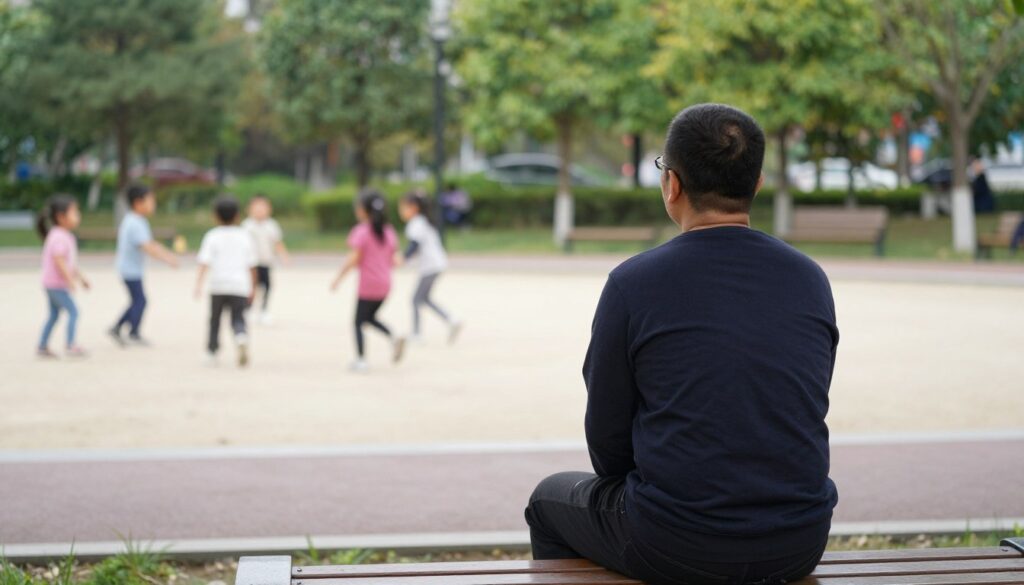
Perhaps the most challenging aspect of supporting free play is knowing when to step back. Adults often feel compelled to direct, suggest, or “improve” children’s play—but this undermines the very benefits free play provides.
- Resist the urge to direct. When you see children playing, observe without intervening unless safety is at risk.
- Allow for boredom. Boredom is often the precursor to creativity. When children say “I’m bored,” resist the urge to entertain them.
- Tolerate mess and noise. Creative play is rarely tidy or quiet. Set reasonable boundaries, but allow for some chaos.
- Value play as learning. Remember that play is not just fun—it’s how children develop crucial skills.
Addressing Safety Concerns
Safety concerns are valid but can be addressed without eliminating free play. The goal is to create an environment that’s safe enough while still allowing for appropriate risk-taking and independence.

- Start small. Begin with short periods of independent play in secure environments before expanding boundaries.
- Teach safety skills. Help children learn to assess risks rather than avoiding all risk.
- Connect with neighbors. Creating community watch systems can help everyone feel more comfortable with children playing outdoors.
- Distinguish between hazards and risks. Hazards (like broken glass) should be removed, but risks (like climbing a tree) are valuable learning opportunities when managed appropriately.
Special Considerations for Different Ages
Free play looks different at various developmental stages. Here’s how to support it throughout childhood:
| Age Group | Free Play Characteristics | How to Support |
| Toddlers (1-3) | Exploratory play, simple pretend play, parallel play alongside others | Provide safe spaces, simple open-ended toys, observe without directing |
| Preschoolers (3-5) | Imaginative play, beginning social play, physical play | Offer dress-up materials, blocks, art supplies; allow for messy play; provide playmates |
| School Age (6-9) | Rule-based games, complex pretend play, physical challenges | Allow for independent outdoor play, provide time after school, respect child-created rules |
| Tweens (10-12) | Social play, skill development, creative projects | Provide materials for projects, allow for privacy, create safe social opportunities |
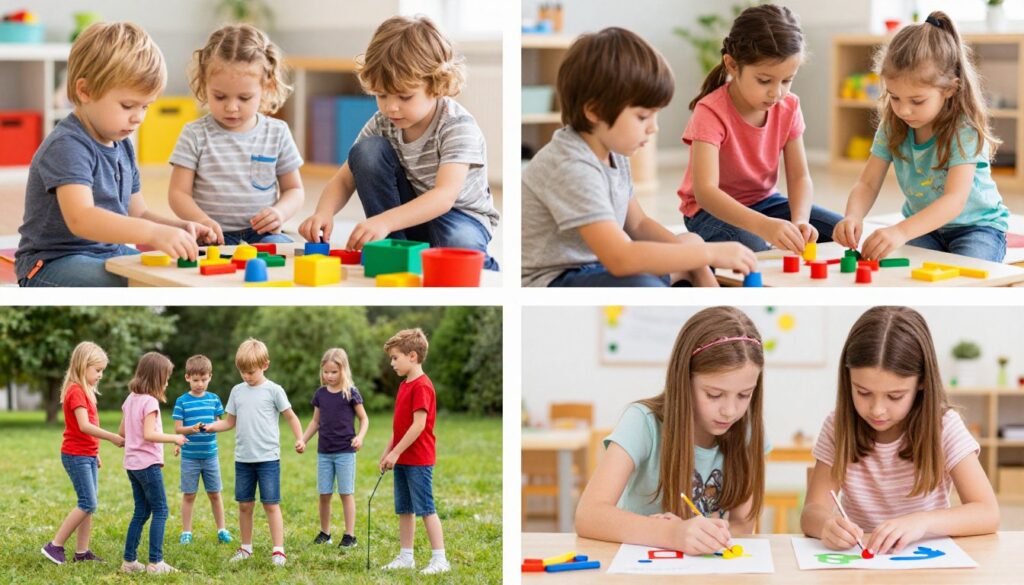
Overcoming Common Barriers to Free Play
“We don’t have time for free play with all our other activities.”
Consider whether all scheduled activities are truly beneficial. Research shows that free play provides developmental benefits that many structured activities cannot. Try reducing scheduled activities by one or two per week and observe the difference in your child’s mood and behavior.
“I’m worried about my child’s safety playing outdoors unsupervised.”
Start with small steps in safe environments. Consider teaming up with other parents to create “play watches” where adults are present but not directing play. Remember that learning to navigate minor risks during play helps children develop important safety skills.
“My child just wants to use screens all the time.”
Set clear boundaries around screen time and provide engaging alternatives. The transition may be challenging at first, but most children adapt quickly when given interesting alternatives and consistent limits. Consider a “screen sabbath” one day per week to break the habit.
“I’m concerned about academic readiness if my child ‘just plays.'”
Research consistently shows that play builds the foundation for academic success. Through play, children develop problem-solving skills, language, creativity, and social competence—all crucial for school readiness. Countries with later academic starts and more play-based early education often show better long-term academic outcomes.
Conclusion: Protecting the Right to Play
Free play is not a luxury or a mere pastime—it’s a biological necessity for healthy child development. In our rush to prepare children for adulthood, we must not deprive them of the very experiences that build the foundation for success and well-being.
The United Nations Convention on the Rights of the Child recognizes play as a fundamental right of every child. As parents, educators, and communities, we have a responsibility to protect and nurture this right—not just for children’s enjoyment, but for their mental health and future success.
Take Action for Free Play
Start today by creating just 30 minutes of unstructured play time. Observe without intervening, provide simple materials, and watch the magic unfold. Your child’s mental health will thank you.
“We don’t stop playing because we grow old; we grow old because we stop playing.”