

The vintage revival happening in interiors right now feels different. It’s less about filling your space with antique pieces and more about those small, considered details that make a room whisper stories instead of shout them.
After talking with designers and watching what’s actually showing up in the most beautiful homes, I’m seeing a clear shift. People want craftsmanship, warmth, and texture. They want materials that improve with time.
Let me walk you through exactly which vintage interior design details 2026 are defining right now, and more importantly, how to actually use them in your own space.
Disclosure & Information Note:
This post may contain affiliate links, which means I may earn a small commission at no additional cost to you. Some content was created with AI assistance and reviewed by me for accuracy and authenticity. Information shared here is for general purposes only and does not replace professional medical, financial, legal, or other qualified advice.
Leg Shapes That Anchor a Piece
The legs on furniture do more work than you think. They establish era, create visual weight, and honestly, they’re often what makes you stop scrolling through vintage listings.
Tapered legs are having a major moment in 2026. These legs narrow gradually from top to bottom, creating clean lines that work in both mid-century and traditional spaces. You’ll see them on vintage pieces from the 1950s and 1960s, and designers are obsessed with how they make furniture feel lighter without sacrificing stability.

Turned legs with their decorative profiles bring instant character to a space. “I’m seeing turned legs on everything from coffee tables to vanities,” says interior designer Sarah Chen. These pieces feature rounded shapes created on a lathe, and they add just enough ornamentation without feeling fussy.
Hairpin legs from the 1960s remain incredibly popular. These thin metal rods bent into simple shapes give vintage pieces an industrial-meets-bohemian vibe. They’re perfect if you want to add vintage details without committing to heavy traditional furniture.
Bun feet and ball feet appear on earlier pieces, typically from the 1800s through early 1900s. These rounded, sphere-like feet ground heavier furniture beautifully. One interior designer I know calls them “the punctuation marks that finish a furniture sentence.”
When to Refresh
Refinishing legs makes sense when the wood is damaged or the finish looks tired. You can often sand and restain just the legs if the rest of the piece is solid. This works particularly well with tapered and turned legs where you want to highlight the wood grain.
Sometimes simply cleaning and applying furniture wax brings legs back to life without a full refinish. Test this approach first before committing to stripping and refinishing.
When to Rehab Completely
Full restoration becomes necessary when joints are loose, wood is split, or previous repairs failed. Bun feet and ball feet often need complete rebuilding because they bear so much weight over the years.
If you’re mixing a vintage piece into a modern room, a total refinish might help it blend better. Just know that heavy refinishing can reduce value on true antique pieces, so consider that trade-off carefully.
Styling Different Leg Types
Tapered legs look incredible when you keep the space around them relatively minimal. Let the clean lines breathe. In a living room, a tapered-leg sofa pairs beautifully with a simple rug and uncluttered side tables.
Turned legs can handle more pattern and texture. These pieces already have decorative interest, so don’t be afraid to add a patterned rug or textured throw. The ornamentation plays nicely with layered design elements.
Hairpin legs want breathing room underneath. Don’t place them on thick rugs that hide the legs. These pieces shine when you can see the negative space they create, making rooms feel more open.
For furniture with bun feet or ball feet, embrace the weight. These pieces anchor a room, so position them as statement furniture rather than trying to make them feel light and airy.
Shop This: Furniture with Statement Legs
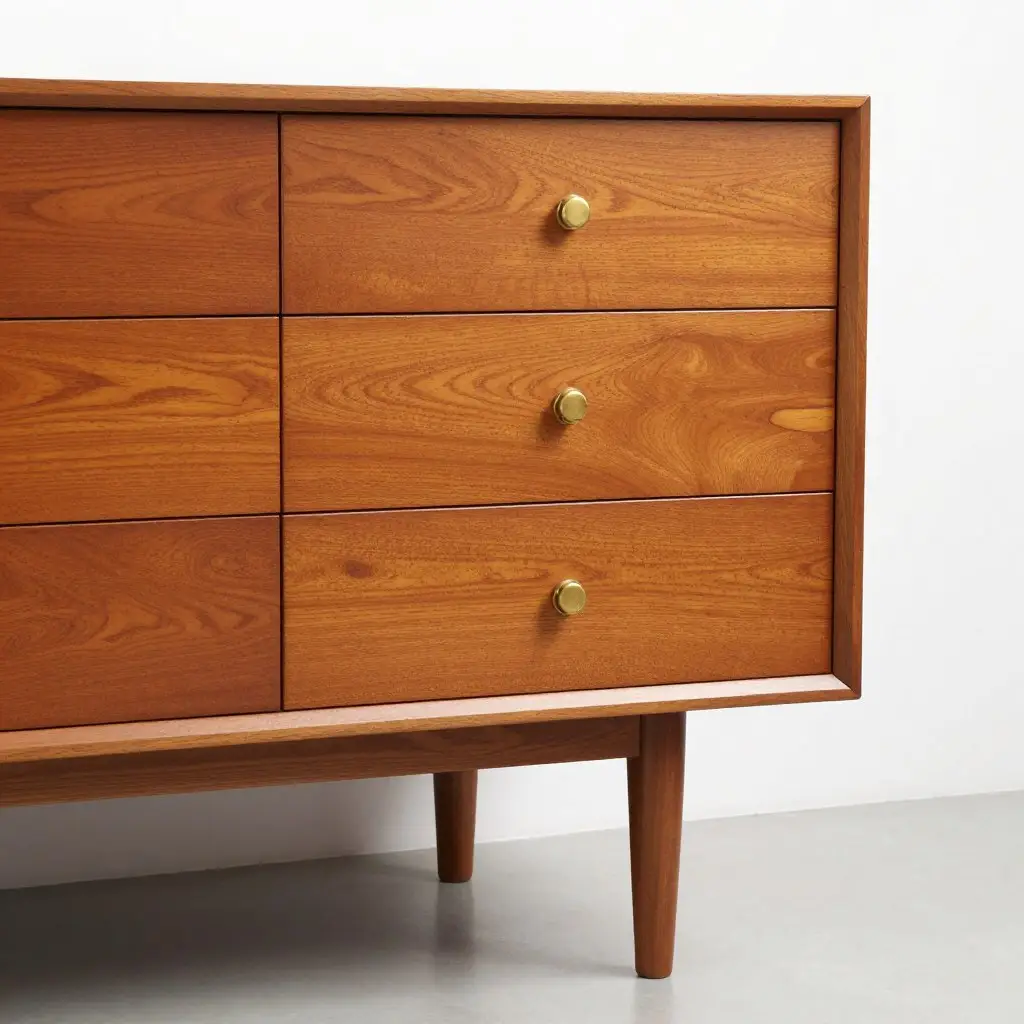
Mid-Century Tapered Leg Dresser
Walnut dresser from the 1960s featuring perfectly proportioned tapered legs and original brass pulls. Refinished with care to preserve the warm patina.
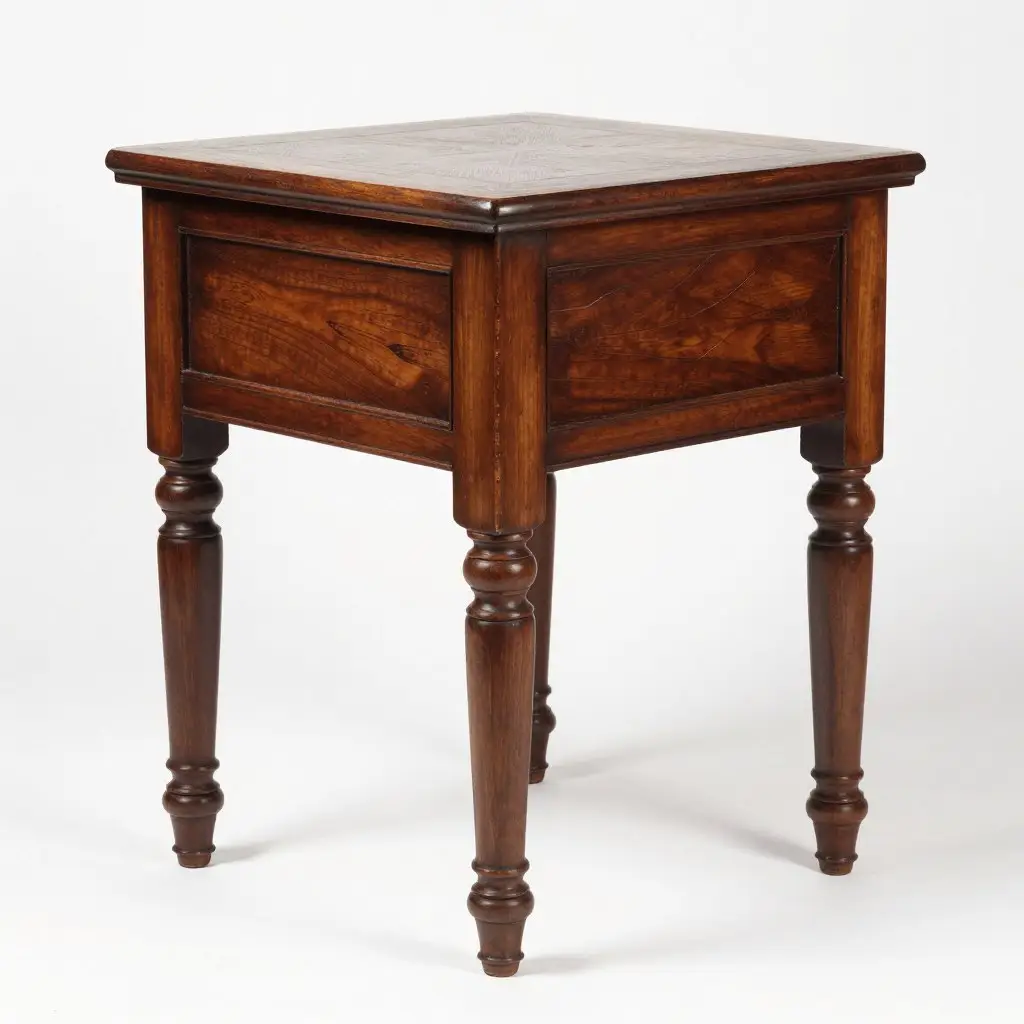
Traditional Turned Leg Side Table
Early 1900s side table with beautifully turned legs showing exceptional craftsmanship. Perfect scale for living rooms or bedroom use.

Hairpin Leg Bench
Versatile 1960s-inspired bench with original hairpin legs. Works as extra seating, a coffee table, or entryway piece. Wood shows beautiful natural aging.
Hardware That Makes the Difference
Cabinet hardware is where vintage details pack the most impact for the least effort. Swapping modern knobs and pulls for vintage hardware instantly changes the entire feel of a room.
Brass knobs are everywhere in 2026 interiors. Not the shiny, lacquered brass from the 1980s, but unlacquered brass that develops patina over time. These knobs feel substantial in your hand and add warmth that’s impossible to replicate with new hardware.

“Hardware is the jewelry of furniture,” says interior designer Marcus Williams. “Vintage brass brings a lived-in quality that makes new pieces feel instantly more collected.” He’s right. I’ve seen entire kitchen transformations happen just by changing out hardware.
Cast iron pulls work beautifully in spaces that lean more industrial or farmhouse. These heavy, substantial pulls often come from old filing cabinets, workshop furniture, or vintage industrial pieces. The matte black patina on aged cast iron is impossible to fake convincingly.
Ceramic and porcelain knobs add a delicate touch. White ceramic knobs with crazing (those fine cracks in the glaze) are particularly sought after. They bring a cottage or French country feeling without being precious about it.
Glass knobs from the 1920s through 1940s catch light beautifully. Depression glass knobs in soft colors or clear glass with bubbles and imperfections add unexpected sparkle. Use them on bathroom vanities, bedroom dressers, or kitchen cabinets where you want subtle visual interest.
Mixing Hardware Styles
You absolutely can mix hardware styles in the same space. The key is choosing pieces with similar visual weight. Pair heavy cast iron pulls with substantial brass knobs, not delicate glass ones.
Consider using one hardware type for upper cabinets and another for lowers. This creates visual distinction without feeling chaotic. Brass knobs on uppers with cast iron pulls on drawers is a combination I use repeatedly.
In bathrooms, mixing materials adds character. Brass fixtures with ceramic knobs on cabinetry creates a collected look that feels authentic to how older homes evolved over time.
Sourcing Vintage Hardware
Architectural salvage stores are your best bet for finding matching sets. Many vintage homes are being renovated, and salvage yards pull hardware before demolition. You can often find enough matching pieces for a full kitchen.
Online marketplaces work well for one-off pieces like special knobs for a featured piece of furniture. Search specifically by era and material to narrow results.
Antique malls let you see and feel hardware before buying. This matters because weight, scale, and condition are hard to judge from photos. I always test whether screws still turn and check for cracks in ceramic pieces.
Finishes That Tell a Story
The finish on vintage pieces often matters more than the piece itself. A perfect finish reads as new, while the right imperfect finish reads as authentically vintage interior design details 2026 designers value.
Unlacquered brass is the finish everyone wants right now. Unlike lacquered brass that stays shiny forever, unlacquered brass oxidizes and darkens over time. This living finish means your hardware, lighting, and fixtures develop unique patina that reflects how you actually use your space.

The beauty of unlacquered brass is that it’s not uniform. Areas you touch frequently stay brighter from the oils in your skin, while untouched areas darken. This creates an organic, graduated patina that looks incredible.
Aged bronze finishes bring depth that flat black can’t match. Real aged bronze shows subtle variations in tone, with underlying warmth that catches light differently throughout the day. Oil-rubbed bronze is the most common version, but true aged bronze from vintage pieces has more complexity.
Matte black on vintage pieces differs from modern matte black. Vintage matte black often has slight texture, minor imperfections, and variations in the finish. These “flaws” are actually what make it interesting.
Weathered wood finishes are popular across all design styles right now. This doesn’t mean distressed in that heavy-handed way from the early 2000s. Instead, think subtle wearing on edges, slight color variations, and natural checking in the wood that happens over years.
Living with Living Finishes
Understanding that finishes change over time is essential. Unlacquered brass will darken. Weathered wood will continue to age. These aren’t flaws to fix but characteristics to appreciate.
You can slow patina development by keeping brass away from moisture and occasionally wiping it with a dry cloth. Or you can embrace the change and let pieces develop character naturally. There’s no wrong answer, just personal preference.
For wood finishes, regular dusting and occasional furniture wax maintain pieces without changing their character. Avoid harsh cleaners that strip away the patina you’re trying to preserve.
Refresh vs. Refinish Decision
Many vintage pieces just need cleaning, not refinishing. Start with the gentlest approach: soap and water for most finishes, brass cleaner only if you actually want to remove patina.
Refinishing makes sense when previous finishes are failing or when a piece has been poorly restored before. If you see bubbling, peeling, or thick, gloppy finishes, it’s time for a complete redo.
Consider whether refinishing adds or removes value. For true antiques, original finish preservation is often more valuable than restoration. For vintage pieces from the 1950s-1980s, thoughtful refinishing can make them more usable without hurting value.
Shop This: Hardware & Lighting with Character

Unlacquered Brass Knobs Set
Set of six authentic vintage brass knobs with developing patina. Perfect for kitchen cabinets, bathroom vanities, or furniture updates. Substantial weight and feel.
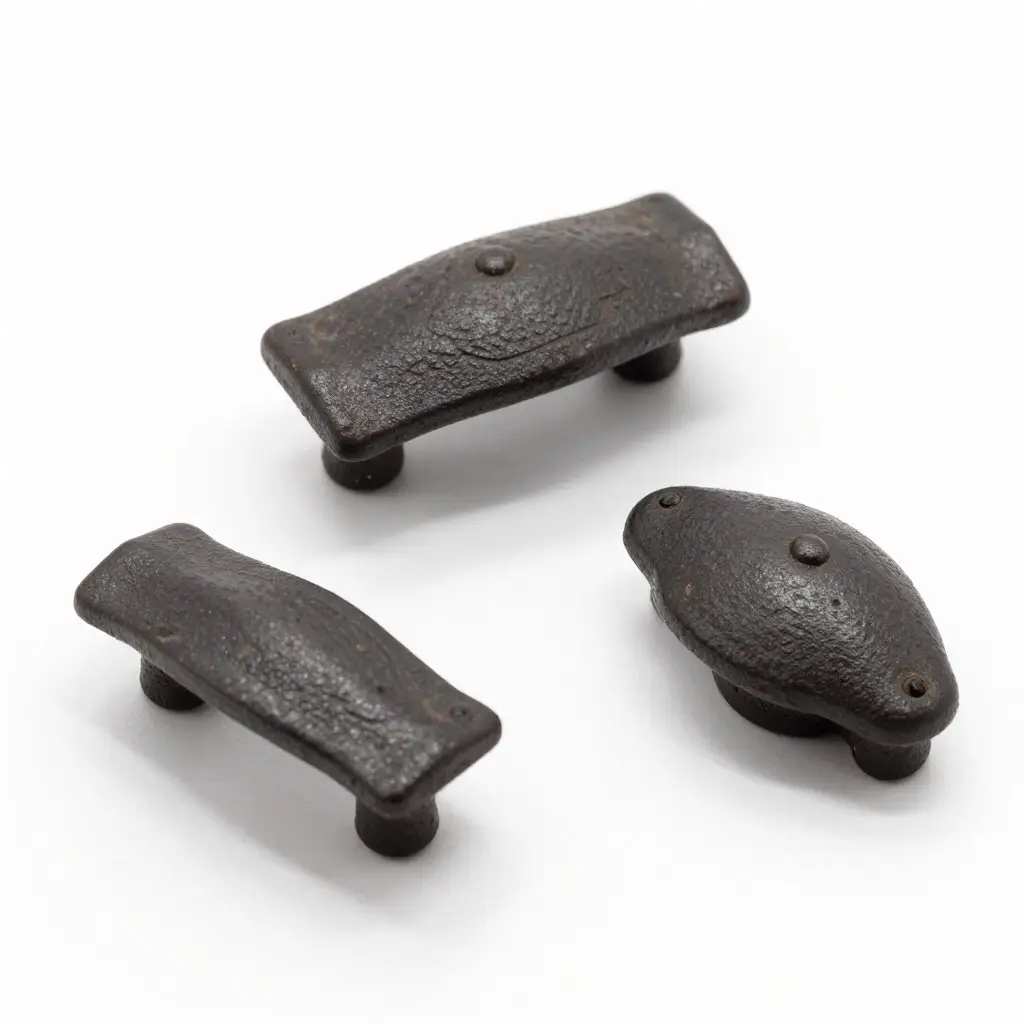
Cast Iron Drawer Pulls
Heavy-duty cast iron pulls salvaged from industrial furniture. Original patina intact. Adds instant character to modern or farmhouse interiors.
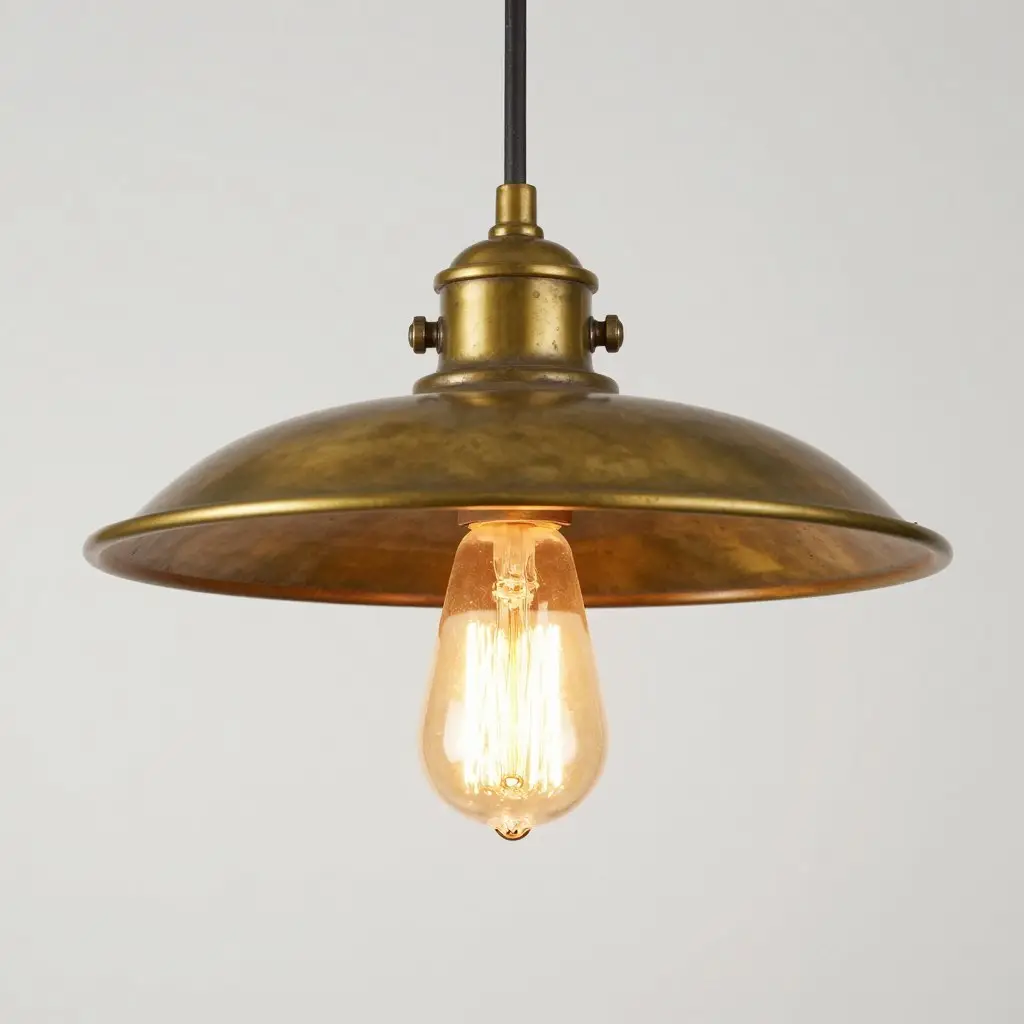
Aged Brass Pendant Lamp
1960s pendant lamp with unlacquered brass finish that has developed beautiful patina. Perfect for kitchen islands or dining areas. Original wiring updated for safety.
Joinery You Can See and Feel
The way vintage furniture is constructed tells you immediately whether you’re looking at quality craftsmanship or mass production. Visible joinery is one of those vintage interior design details 2026 that designers specifically seek out.
Dovetail joints appear on drawers in quality furniture. These interlocking wooden fingers fit together without nails or screws. When you pull out a drawer and see dovetails, especially hand-cut ones with slight variations, you know the piece was built to last.

Mortise and tenon joints create strong frames in chairs, tables, and case pieces. This ancient joinery method involves a projecting piece (tenon) that fits into a cavity (mortise). Quality vintage pieces use these joints because they’re incredibly strong and long-lasting.
“The joinery tells you everything about how a piece was made,” says interior designer and furniture restorer Elena Rodriguez. “Machine-cut dovetails are uniform and precise. Hand-cut ones have personality and slight variations that make each piece unique.”
Tongue and groove construction shows up in paneling, flooring, and some furniture backs. This interlocking edge treatment creates strong, stable surfaces that can expand and contract with humidity changes without falling apart.
Why Visible Joinery Matters Now
In an era of flat-pack furniture held together with cam locks and particle board, visible joinery represents permanence. These vintage pieces were built during a time when furniture was expected to last generations, not years.
The craftsmanship evident in quality joinery also tells a story. Someone with real skills created these pieces. That human element resonates in homes that feel increasingly digital and disconnected from making.
Functionally, proper joinery means furniture that can be repaired rather than replaced. Loose joints can be reglued. Broken pieces can be rebuilt. This sustainability angle appeals to designers and homeowners looking to reduce waste.
What to Look for When Shopping
Pull out drawers and look at the corners. Dovetails should interlock cleanly. If you see staples, nails, or just glue holding corners together, keep looking. Quality pieces use proper joinery.
Check chair and table legs where they meet the frame. You should see evidence of mortise and tenon construction. Wobble the furniture gently. Solid joinery shouldn’t have much movement even on old pieces.
For case pieces like dressers and cabinets, look at how panels are fitted together. Tongue and groove or mortise and tenon construction indicates quality. Nails and staples suggest rushed, lower-quality construction.
Patina That Adds Depth
Patina is the subtle (or sometimes not so subtle) aging that happens to materials over time. It’s one of the most sought-after qualities in vintage pieces, and also one of the hardest to fake convincingly.
Natural wear patterns on furniture edges tell stories. The corners where hands gripped over years become slightly rounded and smoother. Drawer fronts near handles show finger marks worn into the finish. These patterns are organic and impossible to replicate with distressing techniques.
Oxidation on metals creates the color changes we associate with aged pieces. Brass darkens and develops verdigris. Copper turns green. Silver tarnishes. Steel develops rust patina. Each metal ages differently, and each aging process brings visual interest.

Color deepening in wood happens as finishes oxidize and wood itself darkens with UV exposure. Cherry wood, for instance, starts pale peachy-pink and develops rich reddish-brown tones over years. This deepening adds warmth and richness that new wood simply doesn’t have.
Crazing in ceramic and glass creates those fine cracks in glazes and surfaces. While technically a flaw, crazing adds character and proves age. Vintage Murano glass often shows fine crazing that catches light beautifully.
“People specifically ask for patina now,” says interior designer Thomas Park. “They understand that the wear and aging on vintage pieces adds depth and story that you can’t buy new at any price.”
When Patina Enhances vs. When It’s Just Damage
Good patina shows even, natural aging in high-use areas. Handles that are worn smooth, edges that are gently rounded, and finishes that have developed an even sheen from handling all fall into this category.
Damage masquerading as patina includes deep gouges, large chips, structural cracks, or uneven finish loss that exposes bare wood in blotchy patterns. These issues detract from rather than add to a piece.
The key question: does the aging make the piece more beautiful or just more broken? Honest wear that shows how a piece was loved and used enhances character. Damage from neglect or misuse just looks sad.
Preserving vs. Removing Patina
For brass and copper, decide whether you want the aged look or prefer bright metal. Most designers now leave patina intact, maybe removing only the heaviest tarnish. Polishing strips away years of aging that you can’t get back.
Wood patina should almost always be preserved. Careful cleaning with furniture soap removes dirt without stripping the aged finish. Save aggressive cleaning for pieces with failing finishes that need complete restoration anyway.
If you do remove patina intentionally, understand you’re making a one-way choice. You can’t put it back once it’s gone. This is especially true for metal patina that took decades to develop.
Subtle Details That Elevate
The smallest vintage details often have the biggest impact on how a space feels. These subtle elements add layers of visual interest without overwhelming a room.
Beadboard paneling creates vertical rhythm and traditional character. Originally used as an economical wall covering, beadboard now reads as charming and considered. The narrow vertical grooves add subtle texture that plays beautifully with light.
Reeding on furniture legs and column details consists of parallel vertical grooves that create visual interest through shadow lines. This classical detail shows up on quality furniture from multiple eras and adds sophistication without being showy.

Brass inlays on furniture surfaces bring subtle metallic highlights. These thin brass lines or shapes set into wood create delicate decoration that catches light. They appear on everything from table edges to drawer fronts on quality vintage pieces.
Fluting, the opposite of reeding, uses rounded grooves rather than raised ridges. This detail shows up on columns, furniture legs, and architectural elements. Both reeding and fluting add classical references that feel surprisingly fresh in contemporary interiors.
Glass details like bubbled glass in windows, cabinets, and light fixtures add vintage charm. Old glass often contains tiny bubbles, waves, or slight color variations that new glass lacks. These imperfections create visual interest and prove authenticity.
Using Subtle Details Effectively
The key with small details is repetition. One piece with reeding can look random. Three pieces in a room with reeded details creates a subtle theme that ties the space together.
Mix subtle and bold details for balance. If your furniture has ornate legs or hardware, keep wall details simple. If walls feature beadboard or paneling, choose furniture with cleaner lines.
Consider how details catch and reflect light. Brass inlays, fluting, and reeding all create shadow lines that change throughout the day as light shifts. Position these pieces where changing light enhances rather than hides these details.
Sourcing Architectural Details
Architectural salvage yards sell original beadboard panels, columns with reeding or fluting, and decorative elements removed from old buildings. These authentic pieces integrate beautifully into renovations or can be repurposed creatively.
Vintage furniture with these details requires patient searching. Look specifically for terms like “reeded legs,” “brass inlay,” or “fluted columns” when shopping online. In person, run your hand over furniture to feel for these tactile details.
For glass, antique shops often stock vintage cabinet doors with original wavy or bubbled glass. These can be incorporated into new cabinetry or used as decorative elements. Murano glass pieces with authentic imperfections have become especially collectible.
Murano Glass and Vintage Lighting
Lighting deserves its own conversation because it’s where vintage details truly shine. The right vintage lamp or fixture transforms a room in ways furniture can’t.
Murano glass lighting from Italy represents some of the most desirable vintage lighting available. These hand-blown glass pieces from the 1960s and 1970s feature incredible colors, shapes, and craftsmanship that modern reproductions can’t match.

The imperfections in vintage Murano glass—tiny bubbles, slight color variations, pontil marks where the glass was separated from the blowing rod—prove authenticity. These “flaws” are actually marks of handcraftsmanship and add to rather than detract from value.
“Lighting is the most dramatic way to add vintage character,” says interior designer Lauren Matthews. “A single Murano glass chandelier or vintage brass lamp completely changes how a room feels.”
Vintage brass lamps with original patina provide warm, ambient lighting that feels completely different from modern fixtures. The brass develops rich, varied tones over years that new brass can’t replicate, even with artificial aging.
Mid-century table lamps in sculptural shapes became art pieces that happen to provide light. The silhouettes from this era—think slim tapered forms, organic curves, and architectural bases—still look current today.
Integrating Vintage Lighting Successfully
Mix lighting eras for depth. A Murano glass chandelier over a dining table can coexist beautifully with mid-century brass table lamps in the same room. The varied eras create a collected look that feels authentic.
Consider scale carefully with statement lighting. Vintage chandeliers often run smaller than modern tastes prefer. Don’t be afraid to go larger than the original era would suggest if your room calls for it.
Always have vintage lighting rewired by a professional electrician. The aesthetics are worth keeping, but original wiring from the 1960s or earlier is not safe by today’s standards. Rewiring maintains the look while ensuring safety.
Use vintage lighting as the starting point for a room’s design. A spectacular lamp or chandelier deserves to be featured, not hidden. Build your palette and furniture choices around showcase lighting.
Shop This: Complete the Look

Murano Glass Table Lamp
Authentic 1970s Murano glass lamp with hand-blown shade in amber and white swirls. Brass base with natural patina. Rewired for modern use with original socket.

Turned Leg Dining Chairs
Set of four early 1900s dining chairs with beautiful turned legs and original finish. Dovetailed construction. Seats recently reupholstered in neutral linen.
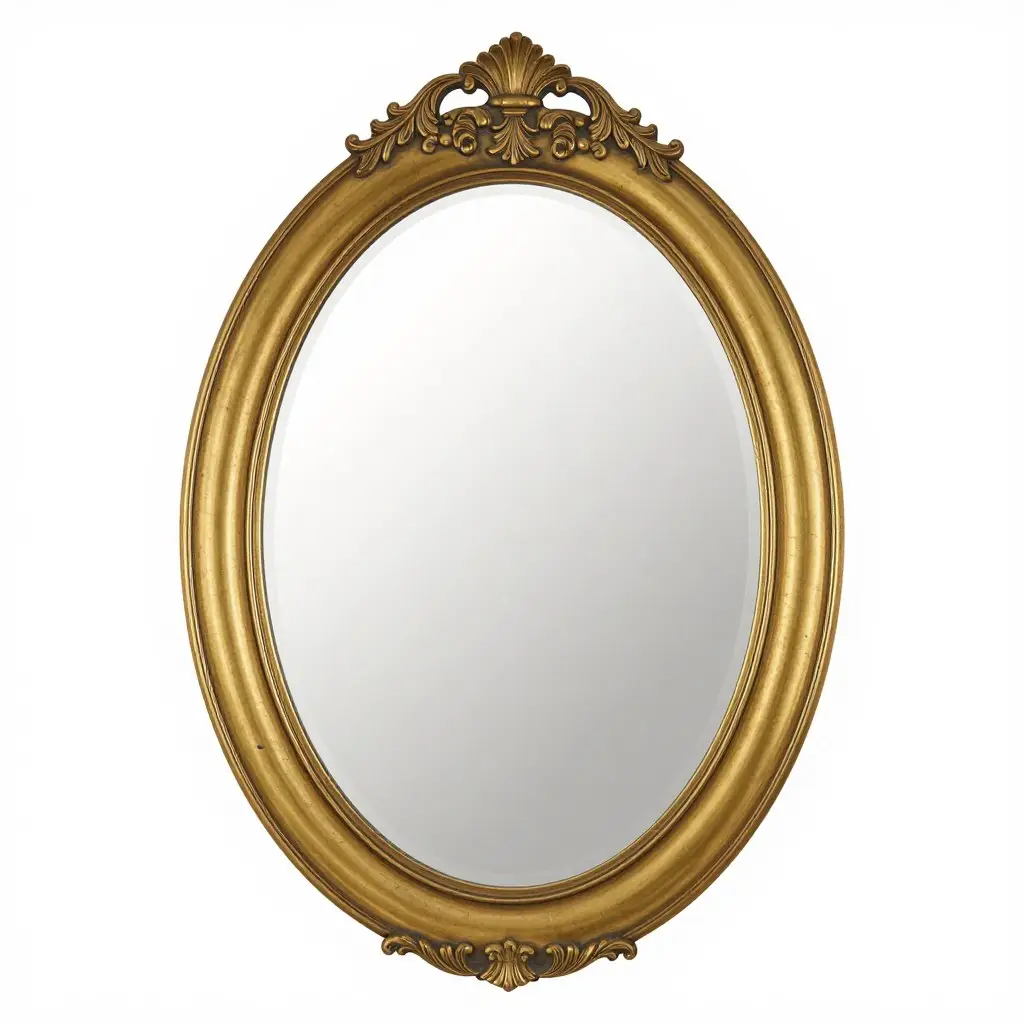
Brass Frame Mirror
Vintage brass mirror with ornate frame that has developed gorgeous patina. Perfect for entryways or bathrooms. Original glass with slight aging adds character.

Cabinet with Brass Inlays
Stunning antique cabinet with delicate brass inlay work on drawer fronts. Beautiful wood patina and original hardware. Perfect as a bar cabinet or media console.

Wavy Glass Cabinet Doors
Pair of vintage cabinet doors with original wavy glass. Beautiful imperfections and bubbles prove authenticity. Can be integrated into kitchen or built-in cabinetry.

Ceramic Knob Collection
Mixed collection of vintage ceramic knobs with authentic crazing in glazes. Various sizes work for different furniture applications. Each piece unique.
Bringing It All Together
The magic happens when you combine multiple vintage details rather than relying on just one. A mid-century dresser with tapered legs becomes even better when you swap the hardware for unlacquered brass knobs.
Start with one strong vintage piece that features several of these details. Maybe it’s a table with turned legs, dovetailed drawers, and original brass hardware. Let that piece establish the vintage character, then build around it.
Don’t try to make everything vintage. The contrast between vintage details and modern elements actually makes both stand out more. A room full of only antiques can feel like a museum. A room with thoughtfully chosen vintage details mixed with contemporary pieces feels collected and intentional.
Pay attention to how different vintage eras play together. Mid-century pieces with tapered legs and hairpin supports coexist beautifully with earlier furniture featuring turned legs and traditional joinery. The common thread is quality craftsmanship and authentic aging.
Consider the whole room when placing vintage pieces. Position furniture with beautiful legs where you can see them. Hang lighting where it becomes a focal point. Install vintage hardware on pieces you touch daily so you experience the patina and weight regularly.
The trend toward vintage interior design details 2026 reflects a larger shift in how people want to live. We’re moving away from disposable furniture and fast trends toward pieces with history, character, and staying power.
These details—the legs, hardware, finishes, joinery, patina, and subtle elements—add up to interiors that feel warm, collected, and authentic. They tell stories about craftsmanship, materials, and time in ways new furniture simply cannot.
TL;DR: Quick Guide to Vintage Details
Leg Shapes: Tapered legs for mid-century vibes, turned legs for traditional character, hairpin legs for industrial-bohemian style, bun feet for grounding heavier pieces.
Hardware: Unlacquered brass for living finish, cast iron for industrial weight, ceramic for cottage charm, glass for subtle sparkle. Mix styles by matching visual weight.
Finishes: Unlacquered brass develops unique patina, aged bronze adds depth, weathered wood shows natural aging. Living finishes change over time—that’s the point.
Joinery: Look for dovetails on drawers, mortise and tenon on frames, tongue and groove on panels. Quality joinery means furniture built to last generations.
Patina: Natural wear patterns tell stories, oxidation on metals adds color, wood deepening brings warmth. Good patina enhances; damage just looks broken.
Subtle Details: Beadboard adds vertical texture, reeding creates shadow lines, brass inlays bring metallic highlights, vintage glass shows beautiful imperfections.
Refresh vs. Rehab: Start with gentle cleaning. Refinish only when finishes are failing. Preserve original patina whenever possible—you can’t get it back once removed.
Styling: Mix vintage details with modern pieces for contrast. Repeat details across rooms for cohesion. Let statement pieces like Murano glass lighting be focal points.
Sourcing: Check architectural salvage for hardware and details, antique malls for hands-on shopping, online marketplaces for specific pieces. Always inspect joinery and condition before buying.