

There’s a special magic that happens when grandparents share stories with their grandchildren. These tales aren’t just entertaining—they’re the threads that weave together your family’s unique tapestry, connecting generations and preserving your legacy.
As a grandparent, your stories carry wisdom, history, and identity that can’t be found in any book. Your grandchildren hunger for these connections, even if they don’t yet know to ask for them. The stories you share today will echo in their hearts long after you’re gone.
Disclosure & Information Note:
This post may contain affiliate links, which means I may earn a small commission if you choose to make a purchase at no additional cost to you. I only recommend products and resources I genuinely believe add value. Portions of this content were created with the assistance of AI tools and then carefully reviewed, edited, and fact-checked by me for accuracy and authenticity. All information is provided for general informational purposes only and is not intended as medical, financial, legal, or professional advice. Always consult a qualified professional before making decisions related to your health, finances, safety, or lifestyle.
Why Your Stories Matter
Every family has its own history—a collection of experiences, values, and lessons that make you who you are. When you share these stories with your grandchildren, you’re giving them more than just entertainment. You’re helping them understand their place in the world and the shoulders they stand upon.
For Your Grandchildren
- Develops a stronger sense of identity and belonging
- Builds resilience by learning how family members overcame challenges
- Creates emotional connections to family history and values
- Provides moral guidance through real-life examples
- Helps them see themselves as part of something larger than themselves
For You
- Preserves your legacy and life experiences
- Strengthens bonds with younger generations
- Provides meaningful reflection on your life journey
- Creates opportunities for joy and connection
- Passes down wisdom that might otherwise be lost
Research shows that children who know more about their family history have stronger self-esteem and greater emotional resilience. Your stories are not just entertainment—they’re building blocks for your grandchildren’s emotional well-being.
Family History and Origin Stories
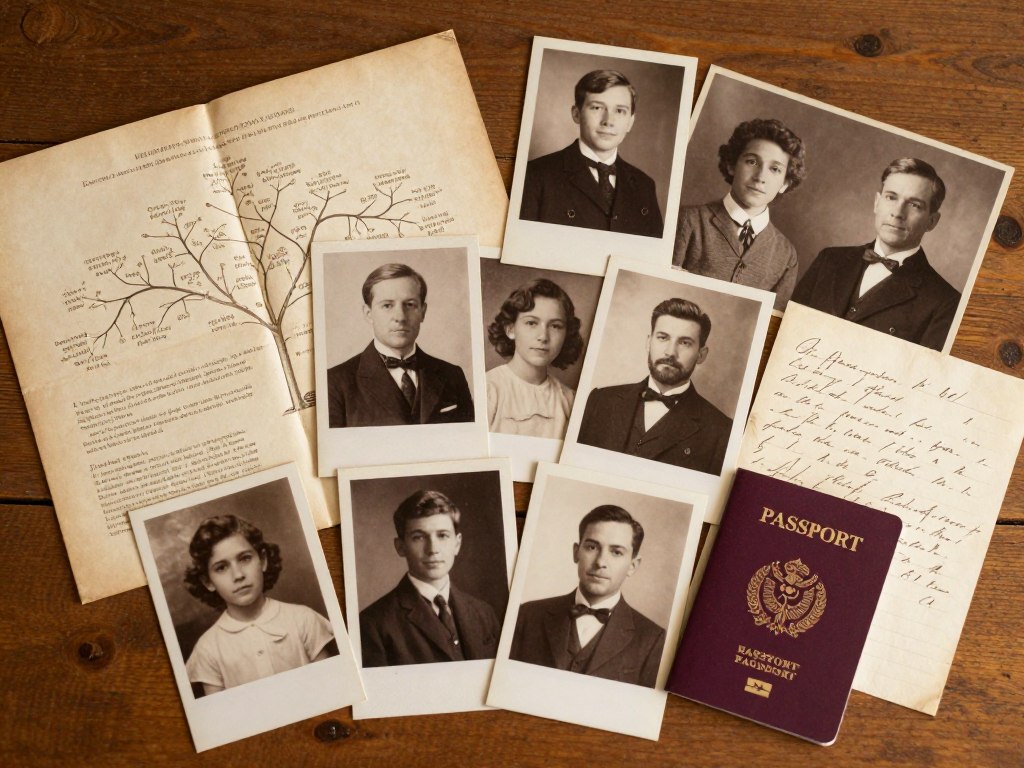
Every family has a beginning. Sharing where your family came from helps grandchildren understand the roots that ground them in the world. These stories create a sense of continuity and belonging that’s increasingly rare in our fast-paced world.
Stories to Share:
- Immigration tales: How did your family come to live where they do? What countries did your ancestors come from, and what challenges did they face?
- Family name origins: What does your last name mean? Are there stories behind how it might have changed over generations?
- First family home: Describe the first family home you remember. What made it special? What challenges did the family face there?
- Family traditions: How did certain traditions begin in your family? Which ones have lasted generations?
“When an old person dies, a library burns to the ground.” — African proverb
These origin stories help children understand that they’re part of something bigger than themselves—a continuing story that began long before them and will continue long after.
Childhood and School Day Memories
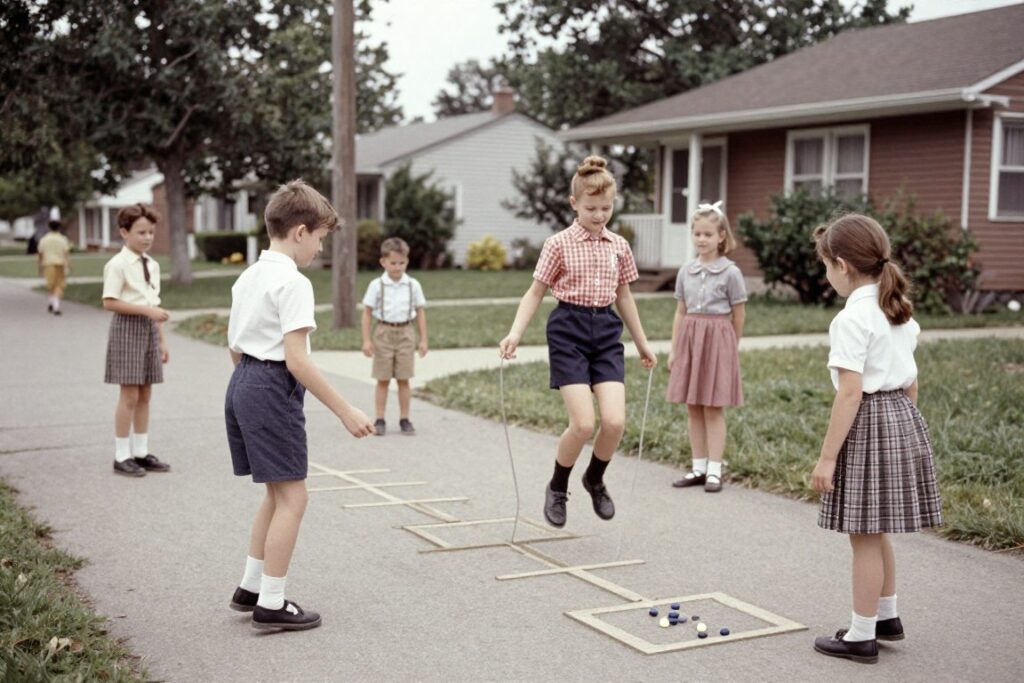
Your childhood was vastly different from your grandchildren’s. Stories about growing up in another era fascinate children and help them understand how the world has changed—and what remains the same about being a kid.
Stories to Share:
- Games you played: Describe the neighborhood games and activities before video games and smartphones. How did you entertain yourselves?
- School experiences: What was school like when you were young? What subjects did you love or struggle with?
- Childhood friends: Who were your best friends growing up? What adventures did you have together?
- Historical events: What major world events do you remember experiencing as a child? How did they affect your family?
- Childhood home: Describe your childhood home and neighborhood. What sounds, smells, and sights do you remember?
Storytelling Tip: Include sensory details when describing your childhood—the smell of your grandmother’s kitchen, the sound of the ice cream truck, or the feeling of jumping into a pile of autumn leaves. These details make your stories come alive for young listeners.
“When I Met Your Grandparent” Love Story
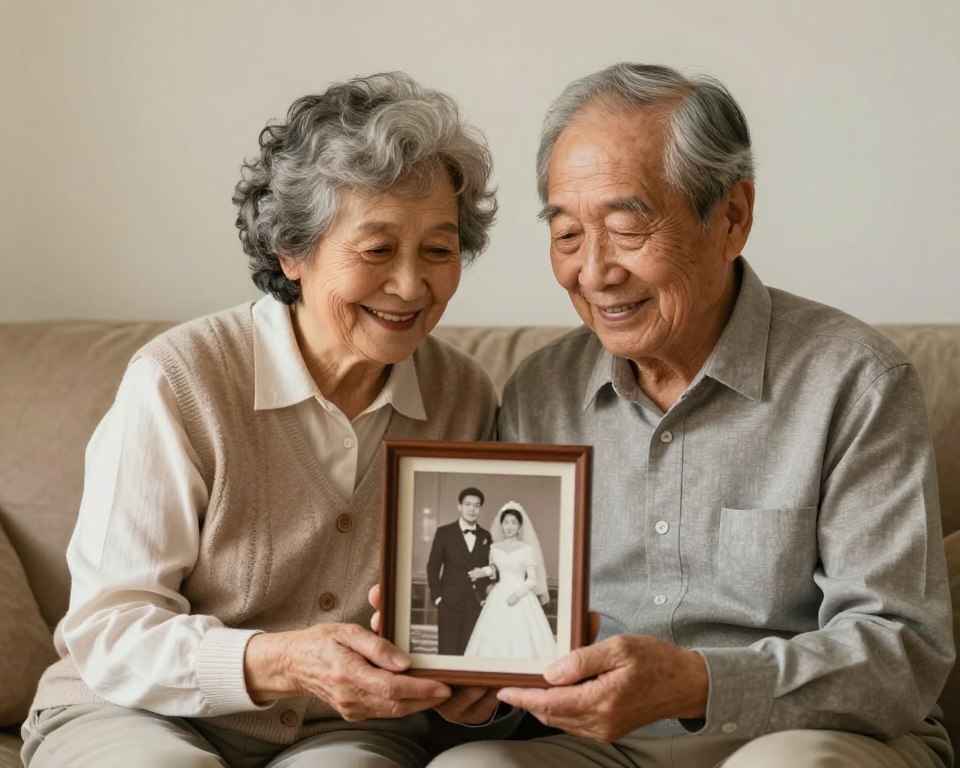
Children are naturally curious about how their family came to be. The story of how you met your spouse is not just romantic—it’s the origin story of their family as they know it. This tale helps them understand that love and commitment are at the foundation of their existence.
Elements to Include:
- First meeting: Where and how did you first meet? What were your first impressions?
- Courtship: How did dating work in your day? What activities did you enjoy together?
- The proposal: How did the proposal happen? Was it planned or spontaneous?
- Wedding day: Share details about your wedding day—the venue, traditions, any mishaps or special moments.
- Early marriage: What were your first years together like? What challenges did you overcome?
Even if your relationship with your grandchild’s other grandparent ended, you can share this story with honesty and grace, focusing on the good times and the blessing that came from the union—their parent.
Professional Journey and Life Lessons

Your work life shaped who you are and taught you valuable lessons. Sharing your professional journey helps grandchildren understand the value of work, perseverance, and finding purpose.
Stories to Share:
- First job: What was your first job? How much did you earn, and what did that money mean to you?
- Career choices: How did you choose your career path? What other paths did you consider?
- Work challenges: What obstacles did you face in your career? How did you overcome them?
- Mentors: Who helped guide you in your professional life? What did they teach you?
- Life lessons: What did work teach you about life, people, and yourself?
“Choose a job you love, and you will never have to work a day in your life.” — Confucius
These stories help children understand the dignity of work and how careers have changed over generations. They also provide perspective on finding meaning through contribution and perseverance.
Stories of Resilience and Overcoming Challenges

Perhaps the most valuable stories you can share are those about overcoming hardship. These tales teach resilience and provide a roadmap for navigating life’s inevitable challenges.
Stories to Share:
- Financial struggles: Did your family ever face economic hardship? How did you get through it?
- Health challenges: Have you overcome significant health issues? What helped you persevere?
- Mistakes and failures: What major mistakes have you made, and what did you learn from them?
- Loss and grief: How have you coped with losing loved ones or other significant losses?
- Major life transitions: How did you handle big changes like moving, changing careers, or becoming an empty-nester?
Sharing Difficult Stories: When sharing stories of hardship, focus on how you overcame challenges rather than dwelling on the pain. Frame these as stories of hope and resilience, not just suffering. Be age-appropriate in your telling, adjusting details for younger listeners.
These stories of resilience become emotional anchors for children facing their own challenges. Knowing that someone they love overcame difficulty gives them confidence that they can do the same.
Cultural, Religious, and Holiday Traditions

Traditions bind families together across time. Sharing the meaning behind your family’s cultural and religious practices helps children understand not just what you do, but why you do it.
Stories to Share:
- Holiday celebrations: How were holidays celebrated when you were young? How have traditions evolved?
- Cultural practices: What customs reflect your cultural heritage? What do they symbolize?
- Religious journeys: What role has faith played in your life? How has your relationship with religion evolved?
- Family rituals: What everyday rituals made your family unique? Sunday dinners? Summer vacations?
- Food traditions: What special recipes have been passed down through generations? What stories accompany them?
Sharing these traditions gives children a sense of continuity and belonging. It helps them understand that they’re part of something enduring, with roots that run deep and branches that reach toward the future.
Funny and Lighthearted Anecdotes

Not every story needs to carry a profound lesson. Sometimes, the most memorable tales are simply the ones that make us laugh. Humor creates bonds and teaches children not to take life too seriously.
Stories to Share:
- Childhood mishaps: What funny mistakes or misadventures did you have as a child?
- Family pranks: Were there any memorable pranks or jokes in your family?
- Embarrassing moments: What moments made you blush but can laugh about now?
- Pet antics: Did you have pets that got into mischief or showed unique personality?
- Travel mishaps: Did any family trips go hilariously wrong?
“A good laugh is sunshine in a house.” — William Makepeace Thackeray
These lighthearted stories balance the more serious ones and show children that joy and humor are essential parts of a well-lived life. They also create moments of connection through shared laughter.
Tips for Effective Storytelling
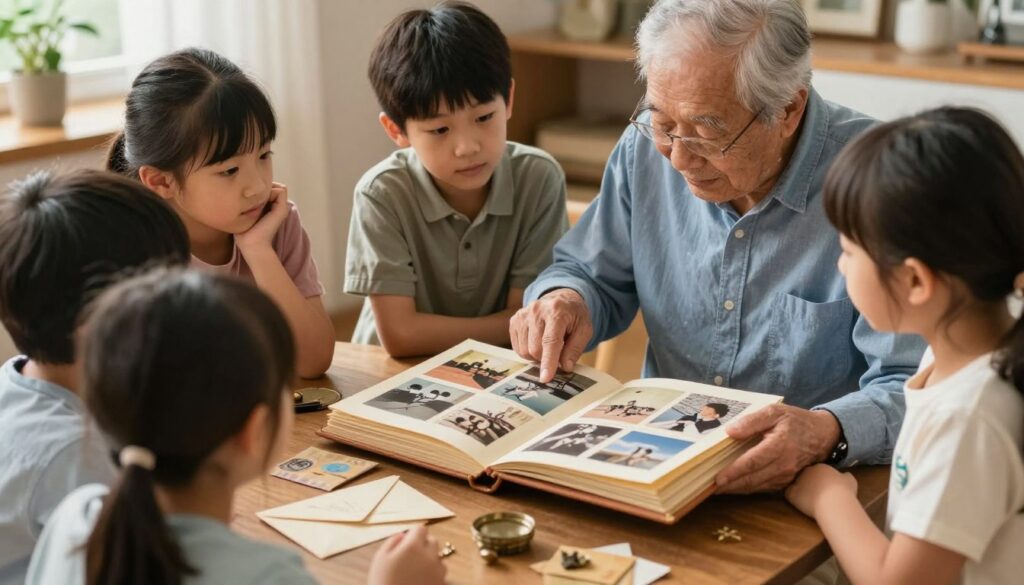
Setting the Stage
- Choose the right moment: Find quiet times when children are receptive to listening.
- Create a ritual: Establish a special time or place for storytelling that children can look forward to.
- Limit distractions: Turn off electronics and create a space where stories can take center stage.
- Use props: Photos, heirlooms, or mementos can make stories more tangible and memorable.
Telling the Tale
- Be authentic: Speak from the heart and in your natural voice.
- Include details: Sensory details make stories come alive.
- Keep it age-appropriate: Adjust content and complexity for your grandchild’s age.
- Invite questions: Encourage curiosity and engagement through conversation.
Recording Your Stories: Consider recording your stories—through writing, audio, or video—to preserve them for future generations. Even simple smartphone recordings can become treasured family heirlooms.
Your Stories Are Your Greatest Gift
The stories you share with your grandchildren are more than just tales from the past—they’re bridges between generations, carriers of wisdom, and shapers of identity. In a world of material gifts, your stories stand apart as treasures that can never be replaced or replicated.
Begin today. Choose one story from this guide and share it with your grandchild. Watch their eyes light up as they discover a piece of their history, a fragment of who they are and where they come from. Then share another, and another.
Your voice, your experiences, your wisdom—these are the inheritance that will echo in your family for generations to come. There’s no better time to start sharing than now.