
Turning 60 marks a beautiful chapter in life’s journey – one filled with wisdom, experience, and the opportunity to enjoy the fruits of your labor. Staying healthy after 60 isn’t just about adding years to your life; it’s about adding life to your years. More importantly, it’s a precious gift you give not only to yourself but to those who cherish you – your children, grandchildren, and loved ones who want you present in their lives for many vibrant years to come.
When you maintain your health, you’re ensuring you can actively participate in family gatherings, play with grandchildren, and create memories that span generations. This guide explores three essential pillars – fitness, flexibility, and fun – that form the foundation of healthy aging. Each represents a pathway to independence, vitality, and joy that benefits both you and your family.
Disclosure & Information Note:
This post may contain affiliate links, which means I may earn a small commission if you choose to make a purchase at no additional cost to you. I only recommend products and resources I genuinely believe add value. Portions of this content were created with the assistance of AI tools and then carefully reviewed, edited, and fact-checked by me for accuracy and authenticity. All information is provided for general informational purposes only and is not intended as medical, financial, legal, or professional advice. Always consult a qualified professional before making decisions related to your health, finances, safety, or lifestyle.
Fitness: Building Strength and Stamina After 60
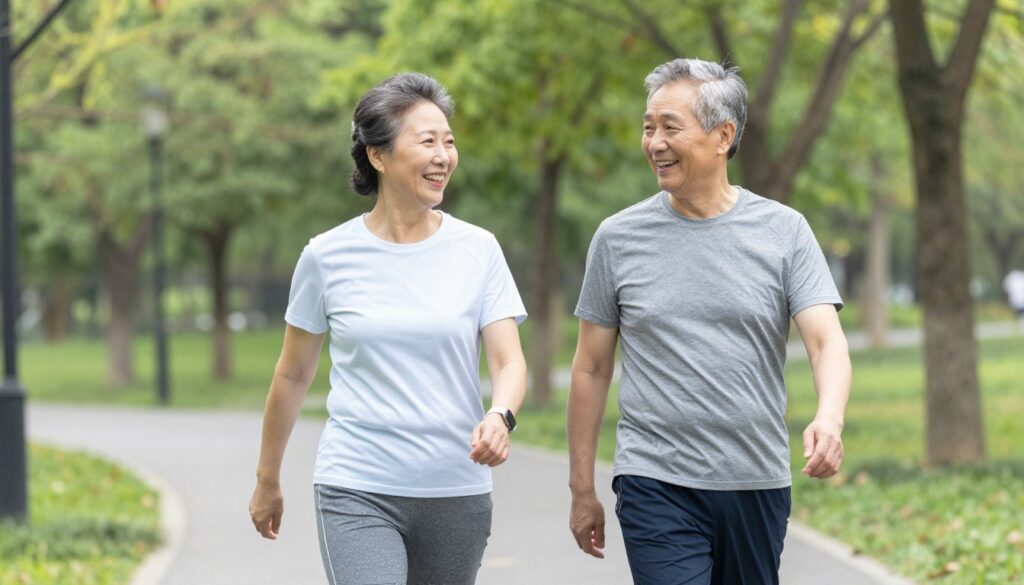
Regular walking is one of the most accessible forms of exercise for adults over 60
Physical activity remains one of the most powerful tools for maintaining health as we age. The good news? You don’t need to train for a marathon or lift heavy weights to reap significant benefits. Consistency matters far more than intensity when it comes to staying healthy after 60.
Low-Impact Cardio: Gentle on Joints, Powerful for Health
Cardiovascular exercise strengthens your heart, improves circulation, and boosts energy levels. The key is finding activities that get your heart pumping without stressing your joints.

- Walking: Aim for 30 minutes daily, even if broken into three 10-minute sessions. A brisk walk around your neighborhood or a local park provides excellent low-impact exercise.
- Swimming: The water’s buoyancy makes this ideal for those with joint issues. Many community centers offer senior swim hours or water aerobics classes.
- Cycling: Whether on a stationary bike or outdoors, cycling builds leg strength without impact. Consider a recumbent bike if balance is a concern.
- Dancing: From ballroom to line dancing, this social activity improves coordination while providing cardiovascular benefits.
Always consult your doctor before starting any new exercise routine. This is especially important if you have existing health conditions or have been inactive for a while.
Strength Training: Preserving Muscle and Bone
After 60, we naturally lose muscle mass and bone density. Strength training counteracts these changes, helping maintain independence and preventing falls. The goal isn’t building large muscles but preserving functional strength for everyday activities.

Start with light weights (1-3 pounds) or resistance bands. Even household items like soup cans or water bottles can serve as weights. Aim for two 20-minute sessions weekly, focusing on major muscle groups:
- Arm curls and extensions for upper body strength
- Chair squats for leg strength (using a sturdy chair for support)
- Wall push-ups to strengthen chest and shoulders
- Toe stands to strengthen calves and improve balance
Flexibility: The Key to Movement and Independence
While often overlooked, flexibility plays a crucial role in staying healthy after 60. Good flexibility helps prevent injuries, reduces pain, and maintains the range of motion needed for daily activities like reaching for items on shelves, tying shoes, or getting in and out of cars.
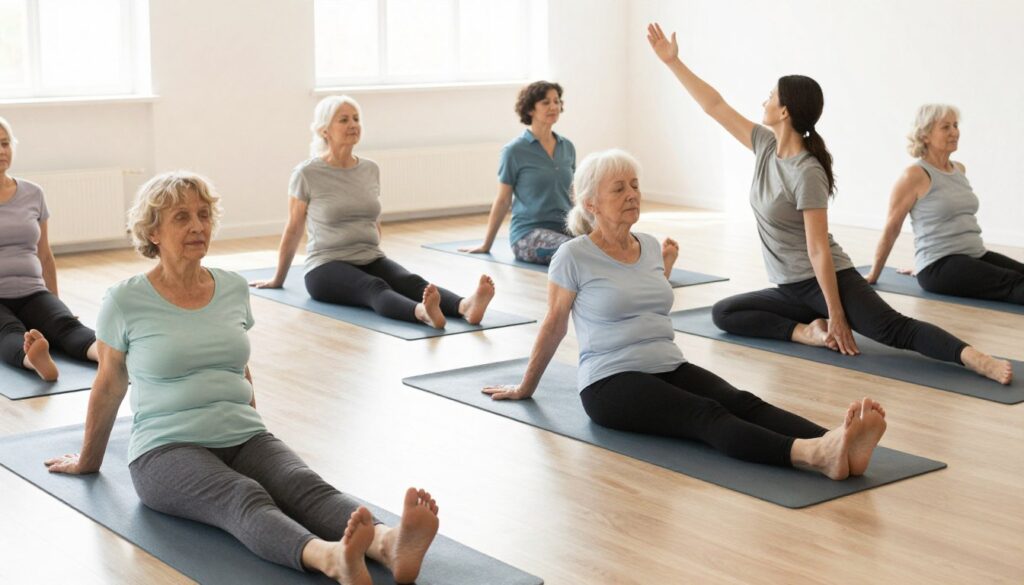
Simple Daily Stretches You Can Do at Home
Incorporating just 10 minutes of stretching into your daily routine can yield remarkable benefits. The key is gentle, sustained stretches rather than bouncing or forcing movements. Hold each stretch for 20-30 seconds while breathing deeply.
Morning Stretches
- Gentle neck rotations
- Shoulder rolls and arm circles
- Side bends while seated
- Ankle rotations for mobility
Seated Stretches
- Forward bends (reaching toward toes)
- Seated spinal twists
- Wrist and finger stretches
- Seated hamstring stretches
Standing Stretches
- Calf stretches against a wall
- Gentle side lunges
- Doorway chest stretches
- Standing quad stretches with support
Gentle Practices for Whole-Body Flexibility
Beyond basic stretches, certain movement practices offer comprehensive approaches to flexibility that also incorporate balance, coordination, and mindfulness:
- Yoga: Look for “gentle,” “senior,” or “chair” yoga classes specifically designed for older adults. Many community centers and senior centers offer these classes.
- Tai Chi: This ancient Chinese practice involves slow, flowing movements that improve balance, flexibility, and mental focus.
- Water-based stretching: The buoyancy of water makes stretching easier and more comfortable, especially for those with joint pain.
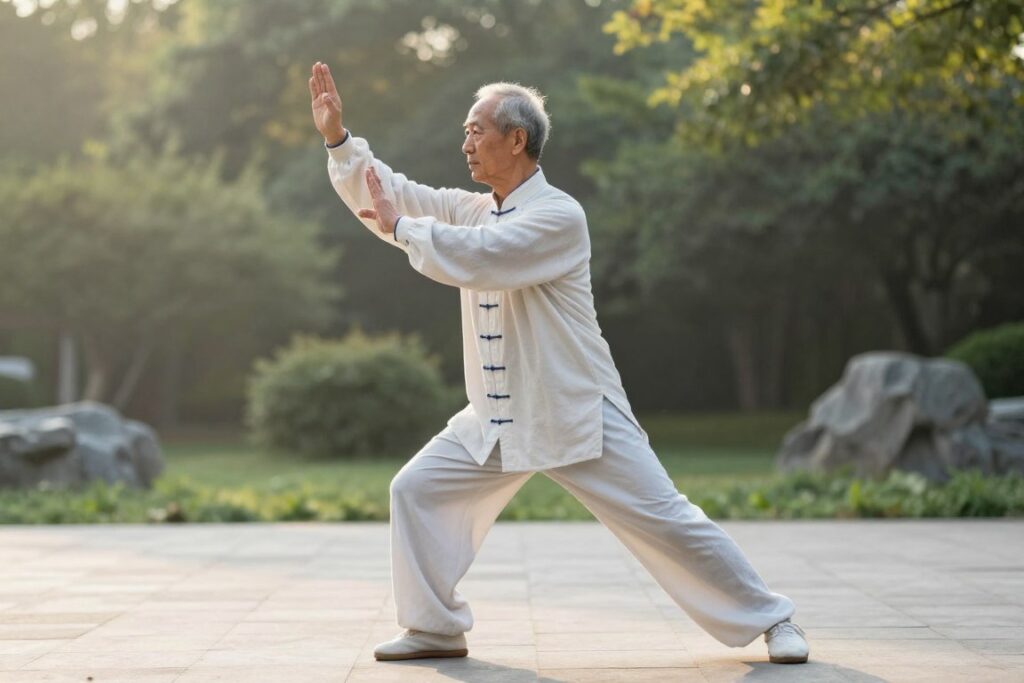
“Flexibility is not about touching your toes – it’s about the freedom to move through life with ease and confidence.”
Fun: The Secret Ingredient for Sustainable Health
The most effective health routines are ones you’ll actually maintain. When physical activity brings joy and social connection, it transforms from a chore into a highlight of your day. Staying healthy after 60 becomes sustainable when it’s enjoyable.
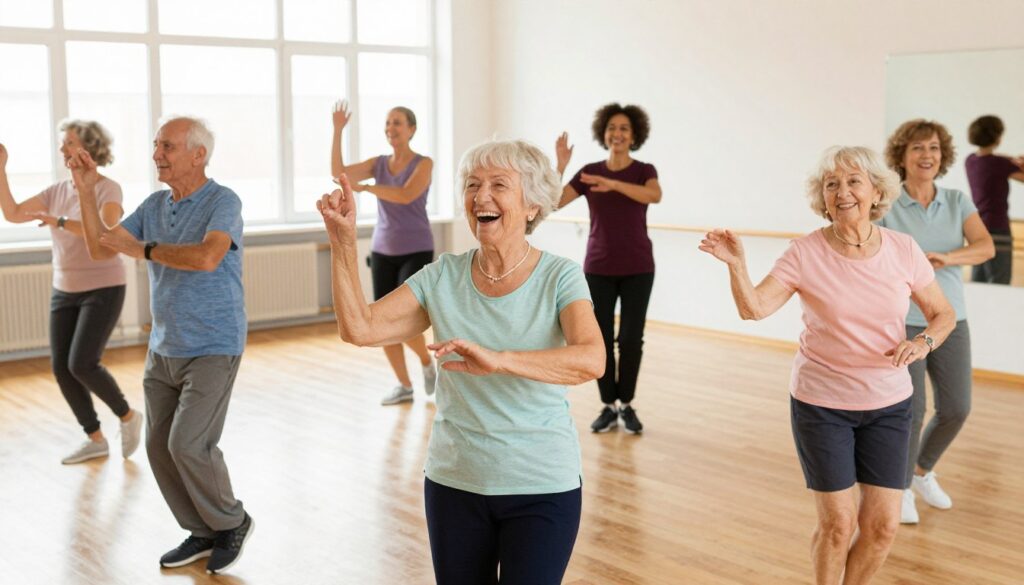
Making Exercise Social: The Power of Connection
Research consistently shows that social connection not only improves mental health but also increases adherence to exercise programs. When physical activity includes friendship and laughter, you’re more likely to stick with it.
- Walking groups: Join or start a neighborhood walking club that meets regularly.
- Group fitness classes: Many fitness centers offer classes specifically for seniors, from water aerobics to chair yoga.
- Dance classes: Ballroom, line dancing, or folk dancing combines physical activity with social interaction.
- Team sports: Modified versions of sports like volleyball, pickleball, or bowling provide both exercise and camaraderie.
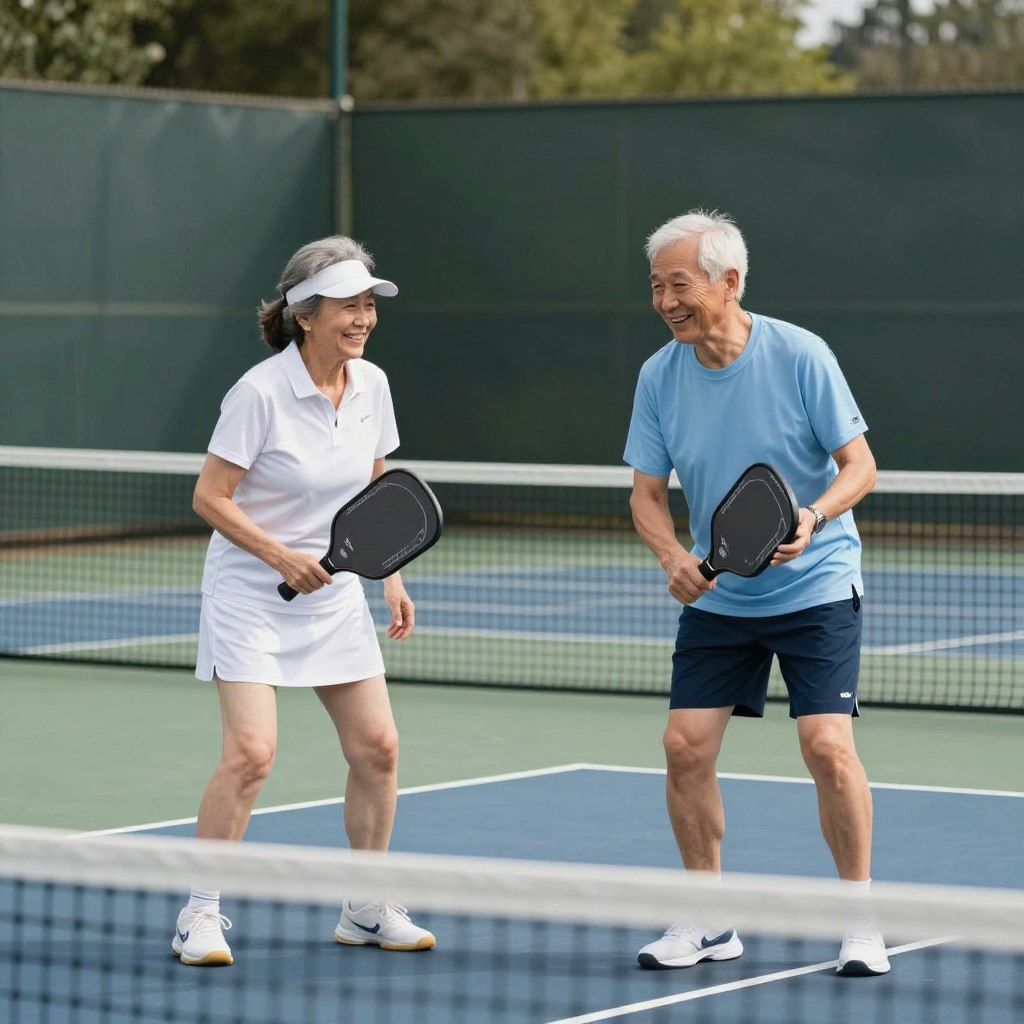
Finding Joy in Movement: Activities That Don’t Feel Like Exercise
Some of the best physical activities don’t feel like exercise at all. These “stealth” fitness opportunities provide health benefits while focusing on pleasure and purpose.

- Gardening: Digging, planting, and weeding provide excellent low-impact exercise while connecting you with nature.
- Playing with grandchildren: Whether it’s a game of catch, a nature walk, or building a fort, time with grandkids keeps you moving.
- Dancing in your living room: Put on your favorite music and move freely – no formal dance steps required.
- Active hobbies: Photography walks, birdwatching hikes, or volunteer work that involves movement all count as physical activity.
Fun Fact: Studies show that people who engage in enjoyable physical activities are up to 20% more likely to maintain their exercise routine long-term compared to those who exercise solely for health benefits.
Putting It All Together: Your Personalized Approach to Staying Healthy After 60
The beauty of these three pillars – fitness, flexibility, and fun – is that they can be combined in countless ways to create a health routine that fits your preferences, abilities, and lifestyle. The key is finding your personal balance.

Creating Your Weekly Health Plan
A balanced approach might include:
| Day | Fitness (30 min) | Flexibility (10 min) | Fun Element |
| Monday | Walking | Morning stretches | Walk with a friend |
| Tuesday | Light strength training | Seated yoga | Exercise to favorite music |
| Wednesday | Rest day or gentle movement | Full-body stretching | Gardening or hobby |
| Thursday | Swimming or water exercise | Water stretches | Group class |
| Friday | Light strength training | Tai Chi movements | Exercise with video |
| Weekend | Longer walk or activity | Gentle stretching | Family activity or social event |
Simple First Steps to Take Today
Starting a new health journey can feel overwhelming. Begin with these manageable first steps:
- Schedule a check-up with your doctor to discuss your health goals and get personalized recommendations.
- Start with just 5-10 minutes of gentle movement daily, gradually increasing as you build confidence.
- Find an accountability partner – a friend, family member, or neighbor who shares your health goals.
- Create a dedicated space in your home for exercise with any needed props (chair, light weights, resistance bands).
- Track your progress in a simple journal, noting improvements in energy, mood, and ability.

Your Health: A Gift Across Generations
Staying healthy after 60 is truly a gift that keeps giving. When you prioritize your fitness, flexibility, and fun, you’re not just adding years to your life – you’re ensuring those years are filled with quality, independence, and joy. You’re creating opportunities to remain an active participant in family milestones, to share wisdom with younger generations, and to continue pursuing your own passions and interests.
Remember that it’s never too late to begin. Each small step toward better health creates ripples of positive change that extend far beyond yourself. Your journey to wellness might even inspire loved ones to prioritize their own health, creating a legacy of well-being that spans generations.

Start Your Health Journey Today
The best time to begin is now. Take that first small step toward better health and watch how it transforms not just your life, but the lives of those you love.
Is it safe to start exercising at 60 if I’ve been inactive?
Yes, but start slowly and consult your doctor first. Begin with gentle activities like walking or water exercises, and gradually increase duration and intensity as your fitness improves. Many adults find they can safely build significant strength and endurance even when starting in their 60s, 70s, or beyond.
How can I stay motivated with my health routine?
Focus on activities you genuinely enjoy, set realistic goals, track your progress, and find an exercise buddy or group. Celebrating small victories and noticing improvements in how you feel can also boost motivation. Remember that consistency matters more than perfection.
What if I have chronic conditions like arthritis or heart disease?
Many chronic conditions actually improve with appropriate exercise. Work with healthcare providers to develop a safe routine tailored to your specific needs. Water exercises, chair-based movements, and gentle walking are often recommended for those with joint issues or limited mobility.