

We’ve all been there—waiting for that job offer, relationship breakthrough, or personal goal to materialize, only to hear “not yet” or face another rejection. In these moments, hope can feel like a luxury we can’t afford. Yet maintaining hope isn’t just about positive thinking—it’s a vital skill that impacts our mental health, resilience, and ability to create the future we desire. This guide will show you practical ways to nurture hope, even when life keeps you waiting.
Disclosure & Information Note:
This post may contain affiliate links, which means I may earn a small commission if you choose to make a purchase at no additional cost to you. I only recommend products and resources I genuinely believe add value. Portions of this content were created with the assistance of AI tools and then carefully reviewed, edited, and fact-checked by me for accuracy and authenticity. All information is provided for general informational purposes only and is not intended as medical, financial, legal, or professional advice. Always consult a qualified professional before making decisions related to your health, finances, safety, or lifestyle.
Understanding Hope: More Than Just Wishful Thinking
Hope isn’t naive optimism or denial of reality. According to researchers, hope is a powerful combination of goals, pathways, and agency. It’s about seeing possibilities even when circumstances seem bleak. When we stay hopeful, we maintain the belief that things can improve while actively seeking ways to make that improvement happen.
William Miller, professor emeritus at the University of New Mexico, describes hope as “envisioned betterment” that comes “hardwired in human nature.” This perspective helps us understand that hope isn’t just a feeling—it’s a practice that can be cultivated and strengthened over time.
During periods when life says “not yet,” hope becomes particularly valuable. It helps us transform waiting from passive frustration into active preparation. The key is learning how to maintain this hopeful outlook even when faced with delays, rejections, or unmet expectations.
Why Hope Matters During Periods of Waiting

Hope isn’t just a nice feeling—it’s a powerful force that impacts every aspect of our lives. Research shows that hopeful people are better problem-solvers, more resilient, and more creative. They recover more quickly from setbacks and experience better mental health outcomes.
During periods of waiting or after rejection, hope serves several crucial functions:
- It prevents us from giving up prematurely on important goals
- It helps us see setbacks as temporary rather than permanent
- It keeps us open to alternative paths and opportunities
- It protects our mental health from the effects of disappointment
- It maintains our motivation to keep taking positive action
When we lose hope, we risk falling into despair—what therapists describe as the deepest part of depression. This makes cultivating hope not just helpful but essential for our wellbeing during challenging times.
Reframing “Not Yet”: The Power of Perspective

One of the most powerful ways to stay hopeful is to reframe how we think about waiting and rejection. “Not yet” doesn’t mean “never”—it often means “not this way” or “not at this time.” This shift in perspective can transform how we experience periods of waiting.
Martin Luther King Jr. captured this perspective perfectly when he said, “The arc of the moral universe is long, but it bends toward justice.” This quote reminds us that meaningful change and achievement often require patience and persistence.
Try This Reframing Exercise:
When you catch yourself thinking “This will never happen,” consciously replace it with “This hasn’t happened yet.” Notice how this small linguistic shift opens up possibility rather than closing it down.
Another powerful reframing technique is to view waiting periods as preparation time rather than wasted time. Ask yourself: “How can I use this waiting period to better prepare for what I want?” This transforms passive waiting into active preparation.
Remember that many of history’s most hopeful figures maintained their vision despite repeated setbacks. Their stories remind us that “not yet” is often part of the journey toward meaningful achievement.
5 Practical Strategies to Cultivate Hope

Hope isn’t just something we feel—it’s something we practice. Here are five evidence-based strategies to cultivate hope, especially when life says “not yet”:
1. Identify Your North Star
Clarify what truly matters to you beyond immediate goals. When you connect to deeper values and purpose, temporary setbacks become easier to bear. Ask yourself: “What larger purpose does my goal serve?” This creates meaning that transcends immediate outcomes.
Research shows that people with a strong sense of purpose experience better mental health and greater resilience during difficult times. Your “north star” provides direction even when specific paths are blocked.
2. Create a Hope Map
When one path is blocked, hope helps us find alternatives. Create a visual “hope map” by drawing your goal in the center of a page, then brainstorming multiple pathways toward it. Include both direct and indirect routes.
This exercise builds what psychologists call “pathways thinking”—a key component of hope that helps us remain flexible and resourceful when facing obstacles.
3. Practice Daily Gratitude
Gratitude and hope are closely connected. By recognizing good things already present in your life, you strengthen your belief that more good things are possible. Each day, write down three things you’re grateful for, no matter how small.
This practice shifts your attention from what’s missing to what’s present, creating a foundation for hope to flourish even during waiting periods.
4. Connect With a Hope Community
Hope is contagious. Surrounding yourself with hopeful people can sustain your own hope during difficult times. Seek out communities—whether online or in person—where people share similar goals and maintain hope despite setbacks.
These connections provide both emotional support and practical strategies for maintaining hope when facing delays or rejection.
5. Take Small, Consistent Actions
Hope without action can become empty wishing. Even during waiting periods, identify small steps you can take that move you forward. These actions build what psychologists call “agency thinking”—the belief that you can influence outcomes.
Each small action reinforces your hope by demonstrating that you’re not powerless, even when larger outcomes are delayed.
Maintaining Hope Through Rejection

Rejection can be particularly challenging for maintaining hope. Whether it’s a job application, relationship, or creative pursuit, hearing “no” can make us question whether our goals are possible at all. Yet many successful people have faced numerous rejections before achieving their dreams.
“This too shall pass” is not just a platitude—it’s a reminder that rejection is rarely the end of the story.
Here are specific strategies for maintaining hope through rejection:
- Separate rejection of your work from rejection of your worth. A “no” to your application or idea is not a “no” to your value as a person.
- Seek constructive feedback. When possible, learn from rejection by understanding what you might improve next time.
- Recognize that rejection often redirects us to better opportunities. Many people look back on rejections with gratitude for where they ultimately led.
- Remember that persistence often outlasts rejection. History is filled with successful people who faced multiple rejections before breaking through.
When facing rejection, it can help to connect with others who have similar experiences. Sharing stories of rejection and resilience reminds us that setbacks are a normal part of any meaningful journey.
Hope and Mental Health: When to Seek Support

While hope is powerful, sometimes we need additional support to maintain it, especially during prolonged waiting periods or after multiple rejections. It’s important to recognize when hopelessness might be shifting into depression or anxiety that requires professional help.
Signs that you might benefit from professional support include:
- Persistent feelings of hopelessness that don’t lift with self-help strategies
- Difficulty functioning in daily life due to low mood or anxiety
- Thoughts of giving up on life or harming yourself
- Using substances to cope with feelings of hopelessness
- Withdrawal from relationships and activities you once enjoyed
Seeking therapy doesn’t mean you’ve failed at hope—it means you’re taking an active step to rebuild it. Therapists can provide evidence-based strategies for cultivating hope during difficult times.
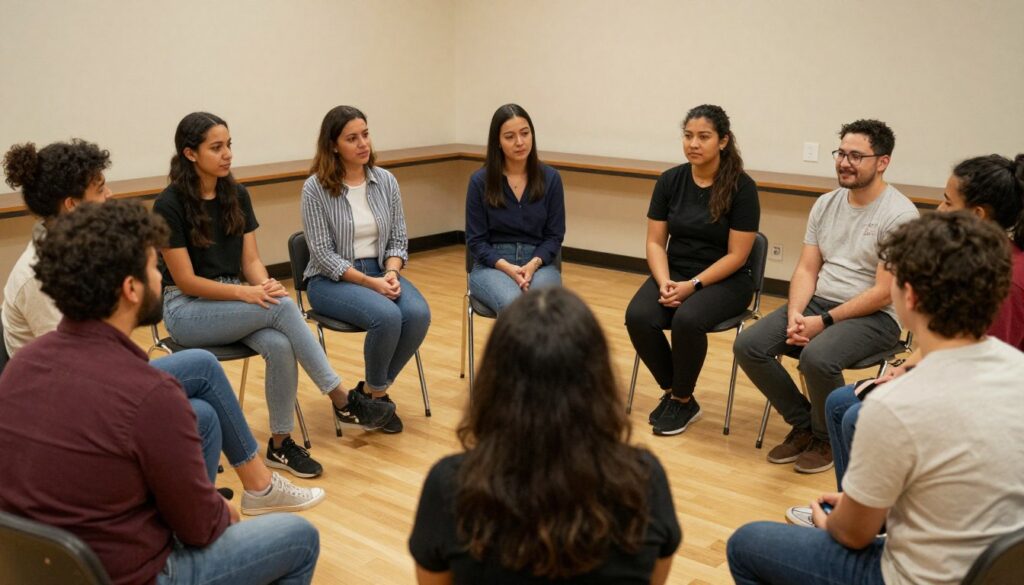
Remember that hope sometimes requires community. Sharing your struggles with trusted friends, family members, or support groups can help sustain hope when it’s difficult to maintain alone.
Stories of Hope: Learning from Others
Throughout history and in everyday life, we find inspiring examples of people who maintained hope despite prolonged periods of waiting or numerous rejections. These stories remind us that “not yet” doesn’t mean “never.”
Hope not only anticipates but also shapes the future. By maintaining hope, we participate in creating the future we desire.
Consider these examples:
- J.K. Rowling faced 12 rejections before Harry Potter was published, while living as a single mother on welfare.
- Nelson Mandela spent 27 years in prison yet maintained hope for a free South Africa—which he eventually helped create.
- Thomas Edison famously made thousands of unsuccessful attempts before inventing a working light bulb, viewing each “failure” as progress.
Everyday heroes also demonstrate the power of hope—parents waiting for medical treatments for their children, immigrants building new lives despite setbacks, and countless others who persist through difficulties with dignity and determination.
These stories share common elements: perseverance, flexibility in finding new paths, community support, and the ability to find meaning even in waiting and rejection.
Daily Practices to Stay Hopeful

Hope is strengthened through daily practice. Here are simple yet powerful practices you can incorporate into your routine to maintain hope, especially during periods of waiting:
Morning Hope Ritual
Start each day by writing down one thing you’re looking forward to, one action you can take toward your goals, and one thing you’re grateful for. This simple practice orients your mind toward possibility rather than limitation.
Hope Journaling
Keep a dedicated “hope journal” where you record evidence of progress (however small), unexpected positive developments, and moments of joy or connection. Review this journal when hope feels distant.
Possibility Meditation
Spend five minutes daily in quiet reflection, imagining positive possibilities. This isn’t about denying reality but about keeping your mind open to favorable outcomes that might not be immediately apparent.
Hope-Centered Language
Pay attention to how you talk about waiting periods. Practice using phrases like “not yet” instead of “never,” and “I’m preparing for” rather than “I’m just waiting.” Language shapes our experience of reality.
Evening Reflection
End each day by noting three things that went well and how they might connect to your larger hopes. This trains your mind to notice progress and possibility even on difficult days.
The key to these practices is consistency. Even on days when hope feels distant, going through these motions helps maintain the neural pathways that support hopeful thinking.
Conclusion: Hope as an Active Choice

Hope isn’t something that happens to us—it’s something we choose and cultivate, especially when circumstances make it challenging. During periods when life says “not yet,” hope becomes both an anchor and a compass, keeping us grounded while pointing toward possibility.
Remember that hope is not about denying reality or avoiding disappointment. It’s about maintaining the belief that something better is possible while taking active steps toward that possibility. As William Miller writes, “Hope not only anticipates but also shapes the future.”
The next time you face a “not yet” moment—whether it’s a rejection letter, a delayed dream, or an unexpected setback—remember that you have the capacity to stay hopeful. Not with blind optimism, but with the grounded, resilient hope that acknowledges difficulty while continuing to move forward.
In the words often attributed to Martin Luther King Jr., “We must accept finite disappointment, but never lose infinite hope.” This is the essence of staying hopeful when life says “not yet”—accepting the reality of the present moment while maintaining faith in future possibilities.
Your journey may take longer than expected. The path may look different than you imagined. But with hope as your companion, you’ll find that “not yet” is rarely the end of the story—it’s simply a chapter in a larger narrative of growth, resilience, and eventual fulfillment.