
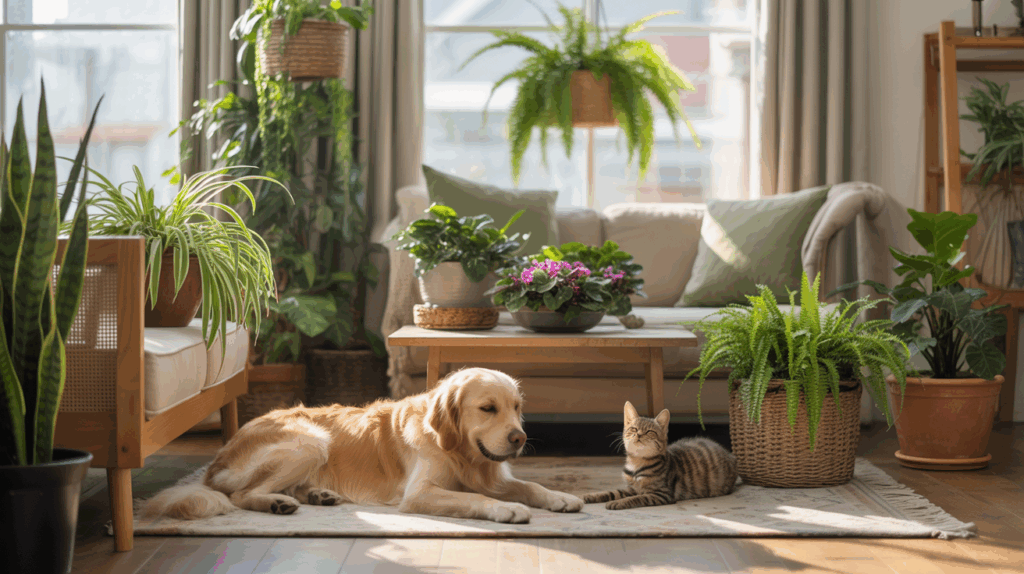
Creating a lush, plant-filled home while keeping your furry friends safe doesn’t have to be a compromise. As both plant and pet lovers, we understand the desire to surround yourself with greenery without putting your cats and dogs at risk. The good news? You absolutely can have both! This comprehensive guide will help you discover beautiful, easy-to-care-for houseplants that are completely safe for your pets, along with practical tips for creating that perfect green sanctuary that everyone in your home can enjoy.
Disclosure & Information Note:
This post may contain affiliate links, which means I may earn a small commission if you choose to make a purchase at no additional cost to you. I only recommend products and resources I genuinely believe add value. Portions of this content were created with the assistance of AI tools and then carefully reviewed, edited, and fact-checked by me for accuracy and authenticity. All information is provided for general informational purposes only and is not intended as medical, financial, legal, or professional advice. Always consult a qualified professional before making decisions related to your health, finances, safety, or lifestyle.
Why Pet-Safe Plants Matter
Many common houseplants contain toxins that can harm your pets if ingested. Symptoms of plant toxicity in pets can range from mild irritation to severe and potentially life-threatening conditions. These symptoms often include vomiting, diarrhea, drooling, lethargy, and in severe cases, difficulty breathing or kidney failure.
Cats are especially prone to nibbling on plants, as their curious nature and tendency to explore with their mouths puts them at higher risk. Dogs, particularly puppies, may also chew on plants out of curiosity or boredom.
Even non-toxic plants can cause mild stomach upset if consumed in large quantities. The best approach is always prevention – choosing pet-safe plants and placing them strategically in your home.
Before Adding Any Plant to Your Home
Always verify a plant’s safety with the ASPCA’s comprehensive toxic plant database. This authoritative resource can help you make informed decisions about which plants to bring into your pet-friendly home.
Top Pet-Safe Houseplants (A Curated List)
We’ve carefully selected these pet-safe houseplants based on their beauty, ease of care, and complete safety for your furry companions. Each plant has been verified as non-toxic to cats and dogs according to the ASPCA.
A harmonious space where pets and plants coexist safely
1. Spider Plant (Chlorophytum comosum)
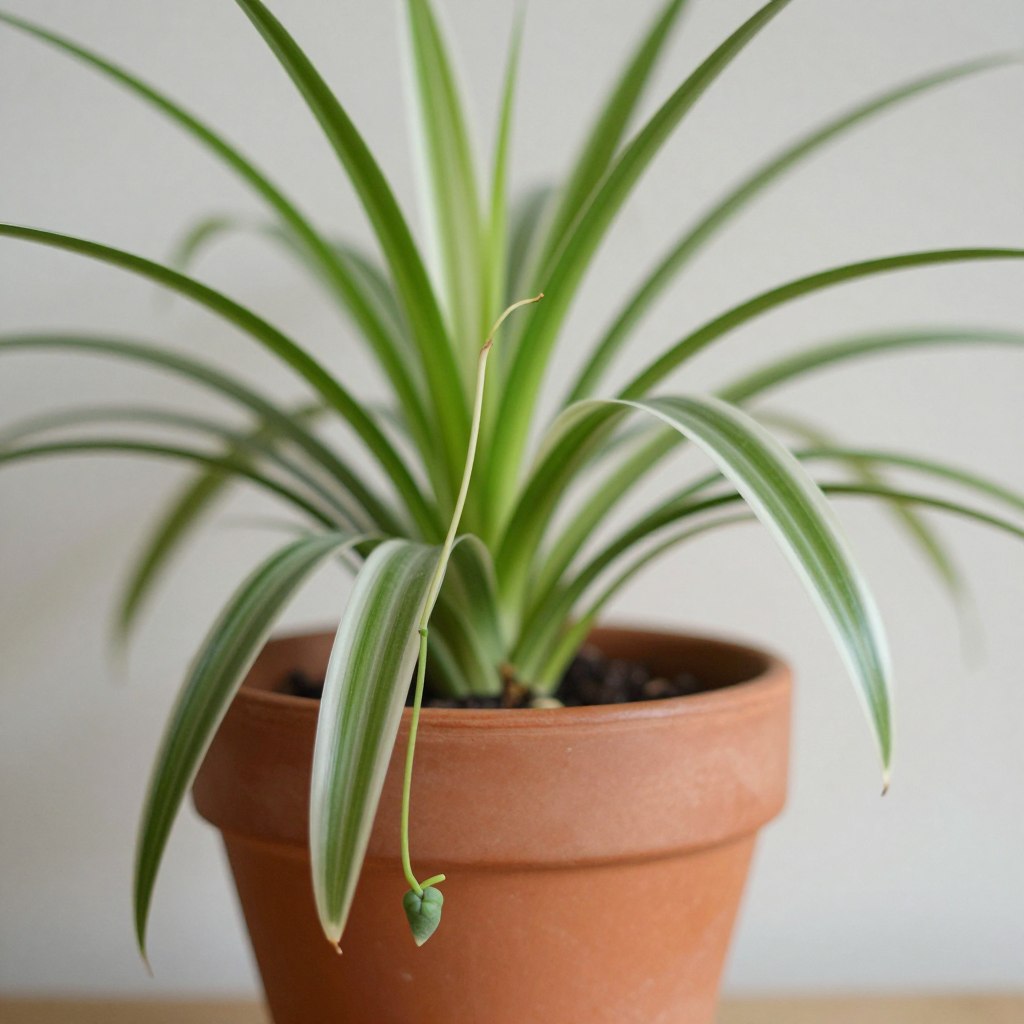
Spider plants are among the most adaptable and forgiving houseplants, making them perfect for beginners. Their arching variegated leaves create a dramatic cascading effect, especially when placed in hanging baskets.
Light Needs: Thrives in bright, indirect light but tolerates lower light conditions.
Water Requirements: Allow soil to dry slightly between waterings. Spider plants store water in their tuberous roots, making them somewhat drought-tolerant.
Why It’s Great: Spider plants are excellent air purifiers, removing formaldehyde and xylene from your home. They also produce “babies” (plantlets) that can be easily propagated into new plants – perfect for sharing with friends!
2. Boston Fern (Nephrolepis exaltata)
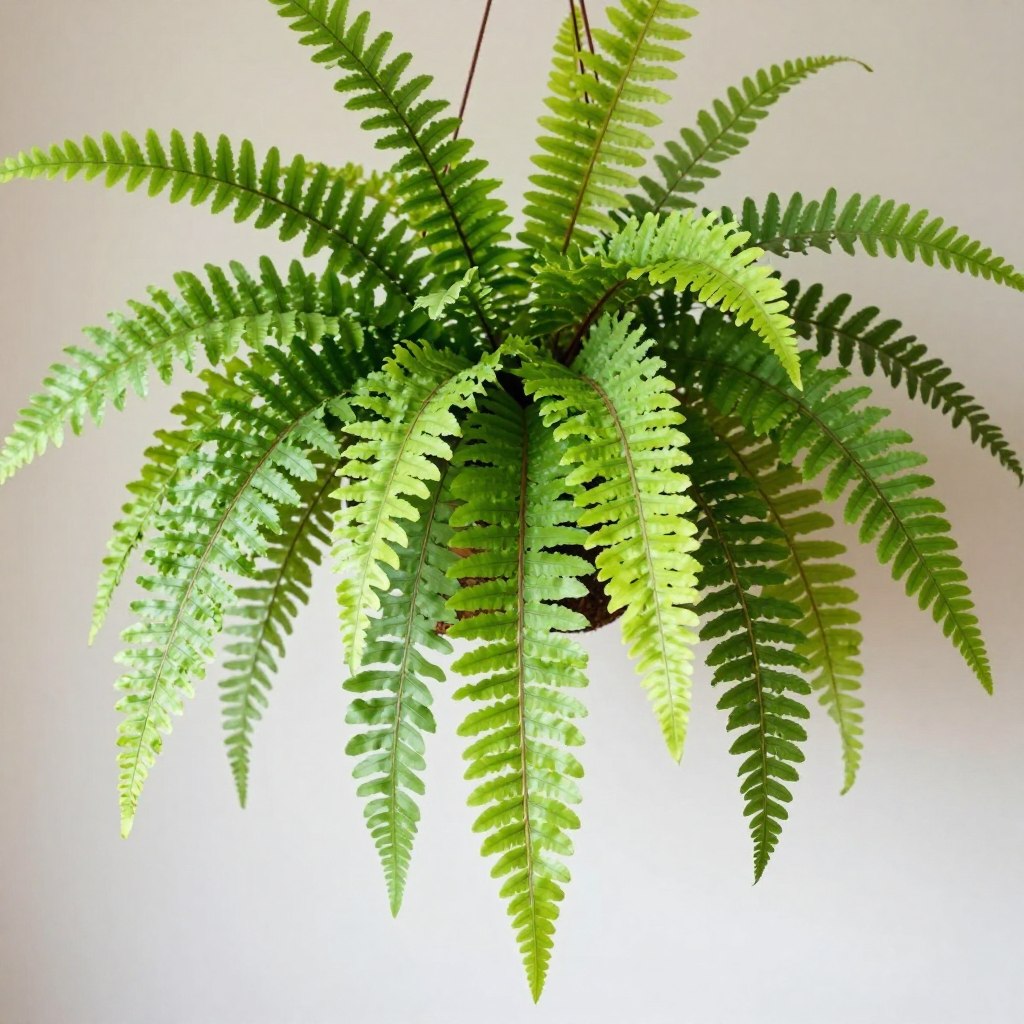
Boston ferns bring a touch of lush, woodland charm to any space with their delicate, feathery fronds. These classic houseplants create a soft, relaxing atmosphere in your home.
Light Needs: Prefers bright, indirect light but will tolerate moderate shade.
Water Requirements: Likes consistently moist (but not soggy) soil and appreciates higher humidity. Regular misting benefits this fern.
Why It’s Great: Boston ferns are excellent air humidifiers and purifiers. Their dramatic, cascading form makes them perfect for hanging baskets or placing on pedestals for visual impact.
3. African Violet (Saintpaulia spp.)
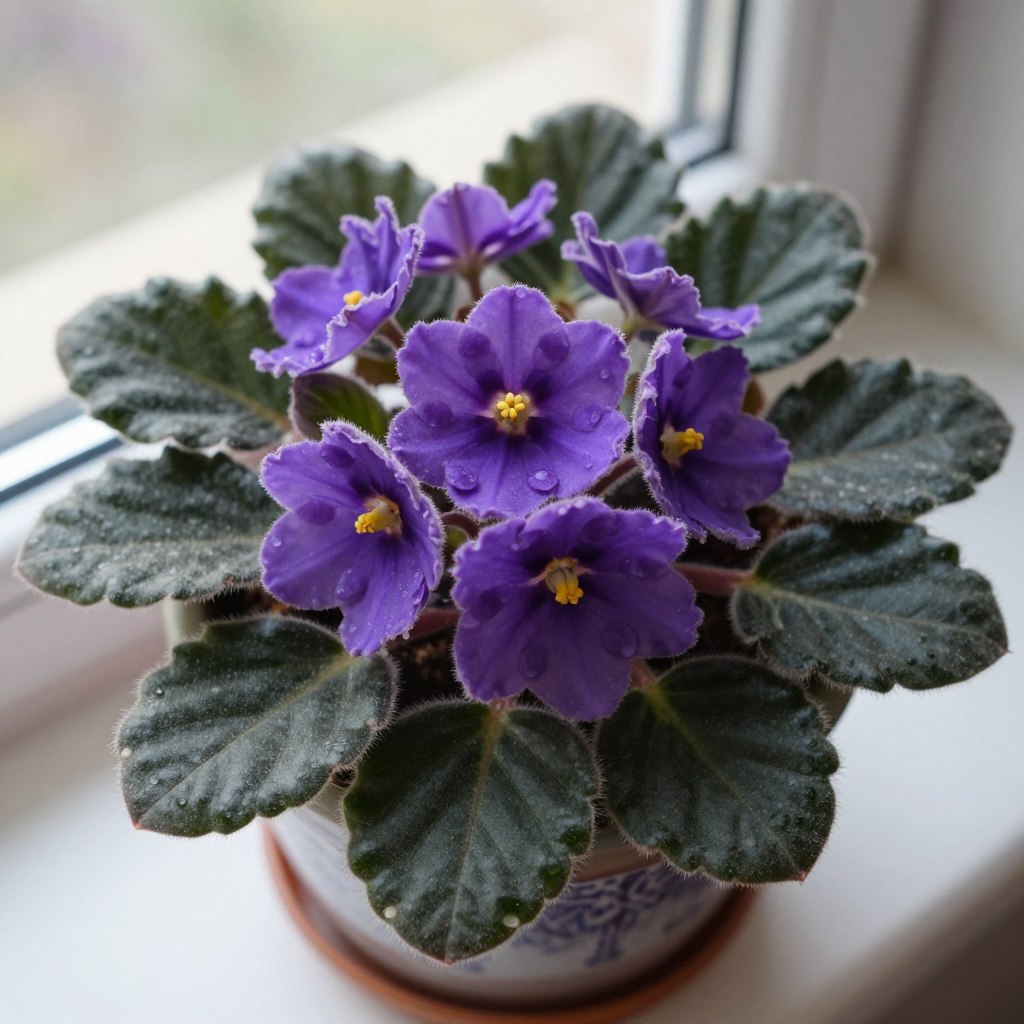
African violets add a welcome pop of color to your pet-safe plant collection. These compact flowering plants produce charming blooms in shades of purple, pink, blue, and white above fuzzy, dark green leaves.
Light Needs: Bright, indirect light. East or west-facing windows are ideal.
Water Requirements: Water when the soil surface feels dry, being careful not to wet the leaves. Bottom watering works well for African violets.
Why It’s Great: African violets can bloom year-round with proper care, bringing continuous color to your space. Their compact size makes them perfect for small spaces and tabletops.
4. Calathea (Prayer Plant Family)
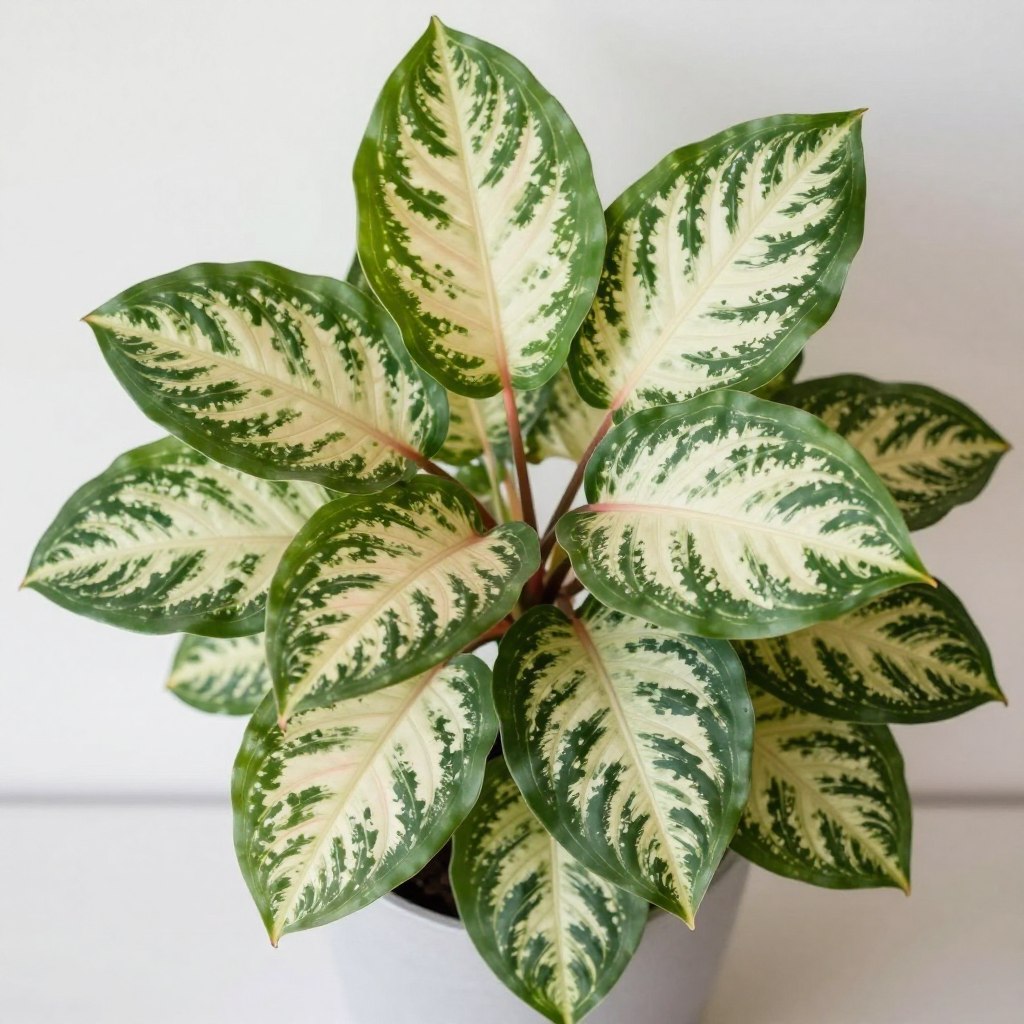
Calatheas are known for their stunning, patterned foliage and fascinating leaf movements. At night, the leaves fold upward like hands in prayer, giving them their common name “Prayer Plants.”
Light Needs: Medium to bright indirect light. Avoid direct sunlight which can fade their beautiful patterns.
Water Requirements: Keep soil consistently moist but not soggy. They prefer higher humidity and filtered water.
Why It’s Great: With varieties like Calathea Orbifolia, C. Medallion, and C. Rattlesnake, these plants offer some of the most visually striking foliage available in pet-safe plants. Their daily leaf movements add a dynamic element to your plant collection.
5. Haworthia
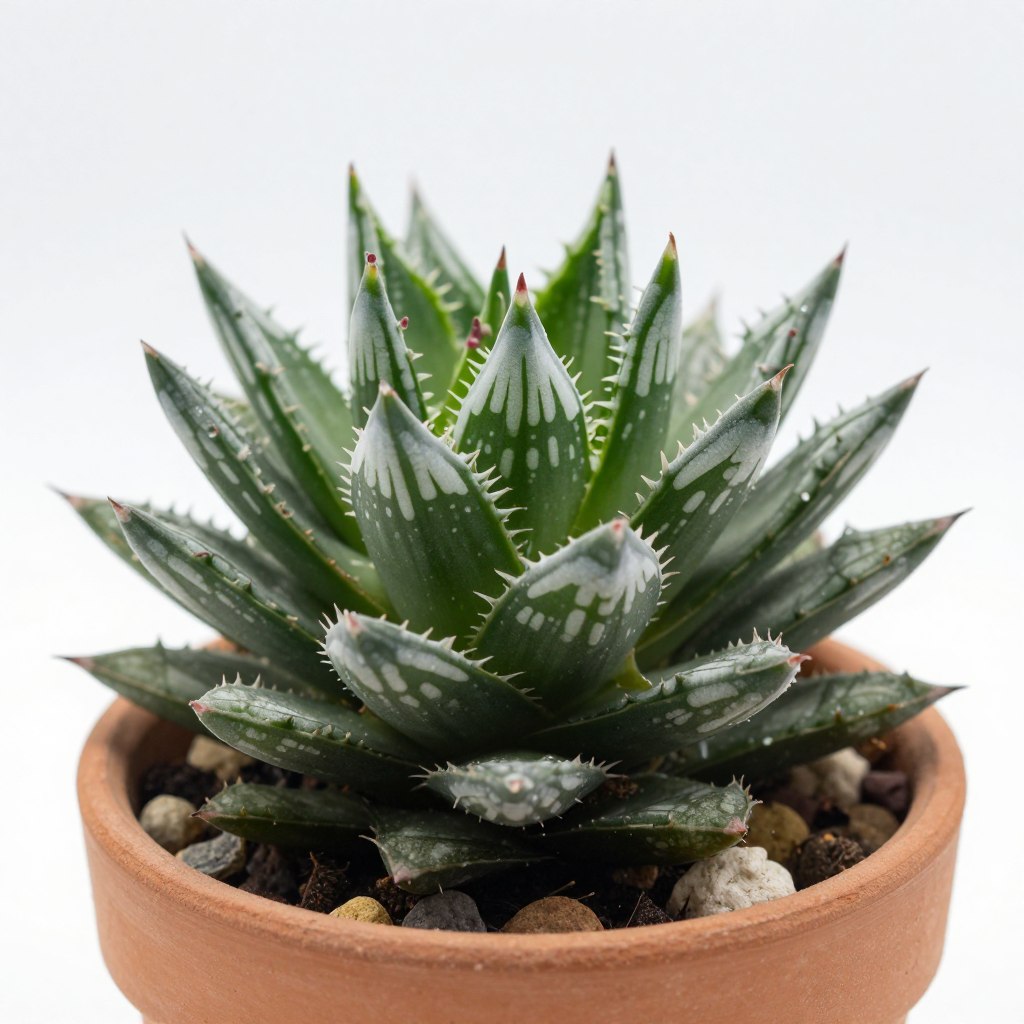
If you love the look of aloe but need a pet-safe alternative, Haworthia is your answer. These charming succulents form rosettes of pointed, often striped leaves that add architectural interest to any space.
Light Needs: Bright, indirect light. Can tolerate some direct morning sun.
Water Requirements: Allow to dry completely between waterings. Water sparingly in winter.
Why It’s Great: Haworthias are extremely drought-tolerant and forgiving, perfect for busy pet parents or those who travel frequently. Their compact size makes them ideal for windowsills and small spaces.
6. Parlor Palm (Chamaedorea elegans)
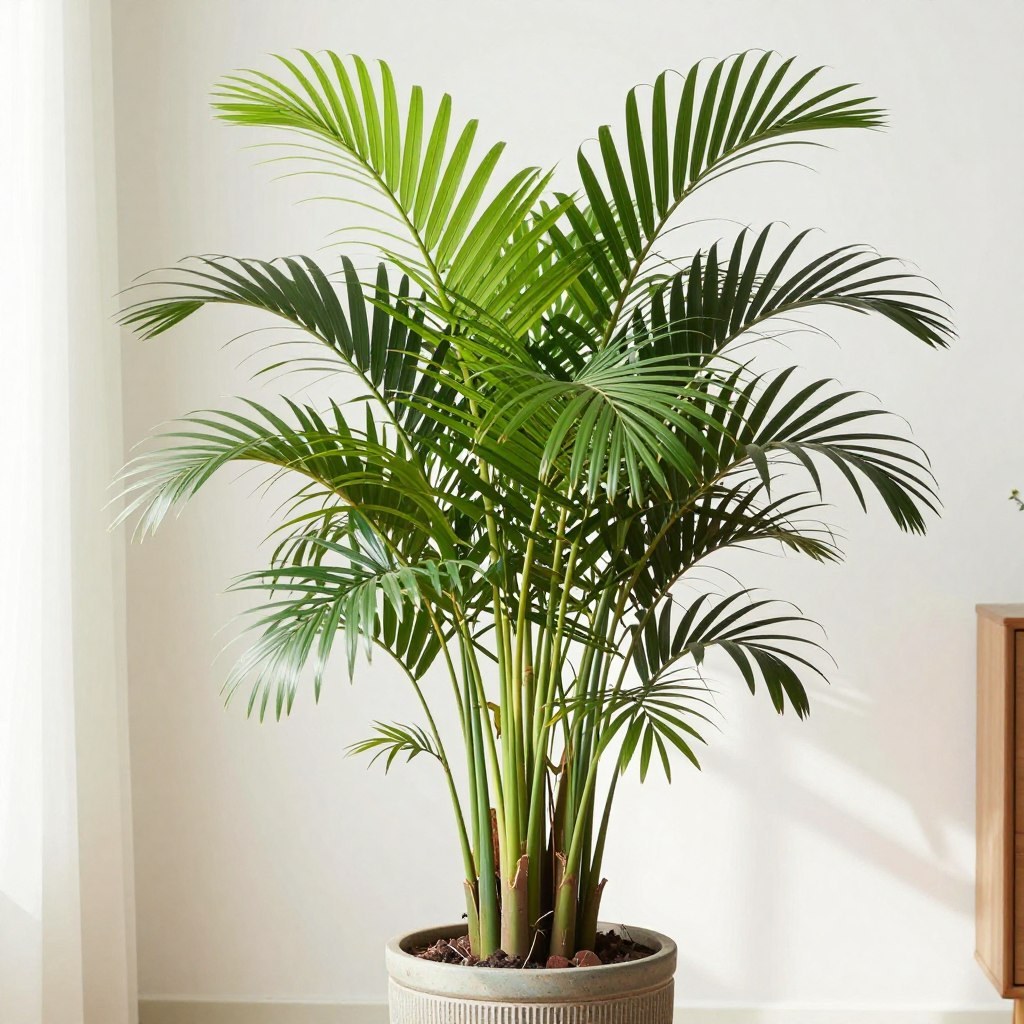
The Parlor Palm brings a touch of tropical elegance to your home with its feathery fronds and slender stems. This classic houseplant has been gracing indoor spaces since Victorian times.
Light Needs: Tolerates low to medium light, making it perfect for darker corners.
Water Requirements: Allow the top inch of soil to dry between waterings. Reduce watering in winter.
Why It’s Great: Parlor Palms are excellent air purifiers and add a tropical, relaxing vibe to any room. They’re slow-growing and can reach 2-4 feet indoors, making them suitable for long-term enjoyment without outgrowing their space.
7. Peperomia
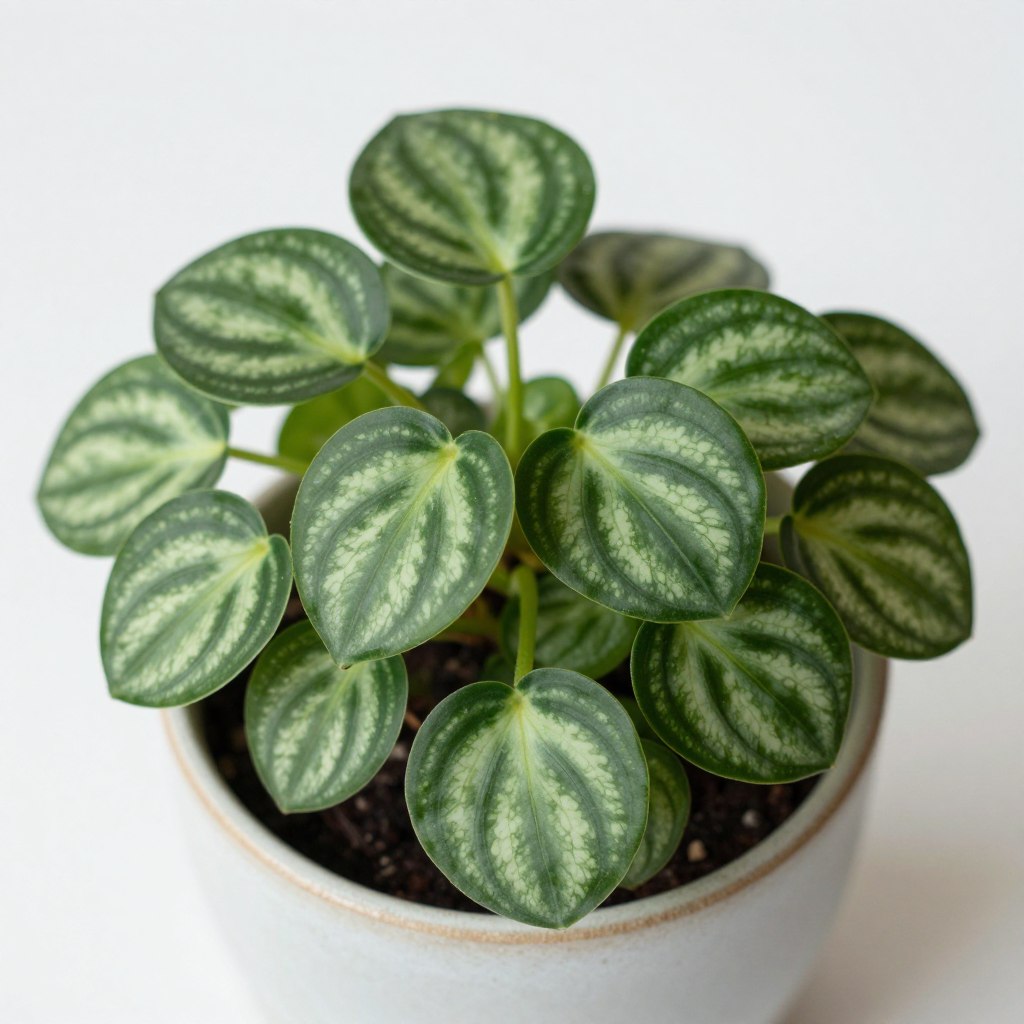
With over 1,000 species, Peperomias offer incredible variety in leaf shape, color, and texture. Popular varieties include Watermelon Peperomia, Ripple Peperomia, and String of Turtles.
Light Needs: Bright, indirect light. Can tolerate moderate light conditions.
Water Requirements: Allow soil to dry between waterings. These semi-succulents store water in their thick leaves.
Why It’s Great: Peperomias are compact, slow-growing plants that won’t quickly outgrow their space. Their diverse leaf patterns and colors add visual interest to any plant collection.
8. Moth Orchid (Phalaenopsis)

Moth Orchids bring elegant, long-lasting blooms to your pet-safe plant collection. Their graceful flowers can last for months, providing extended color and sophistication to your space.
Light Needs: Bright, indirect light. An east-facing window is ideal.
Water Requirements: Water thoroughly when the potting medium feels dry, usually once a week. Ensure good drainage.
Why It’s Great: Moth Orchids are surprisingly easy to care for and can rebloom year after year with proper care. Their exotic appearance adds a touch of luxury to any room.
9. Money Tree (Pachira aquatica)
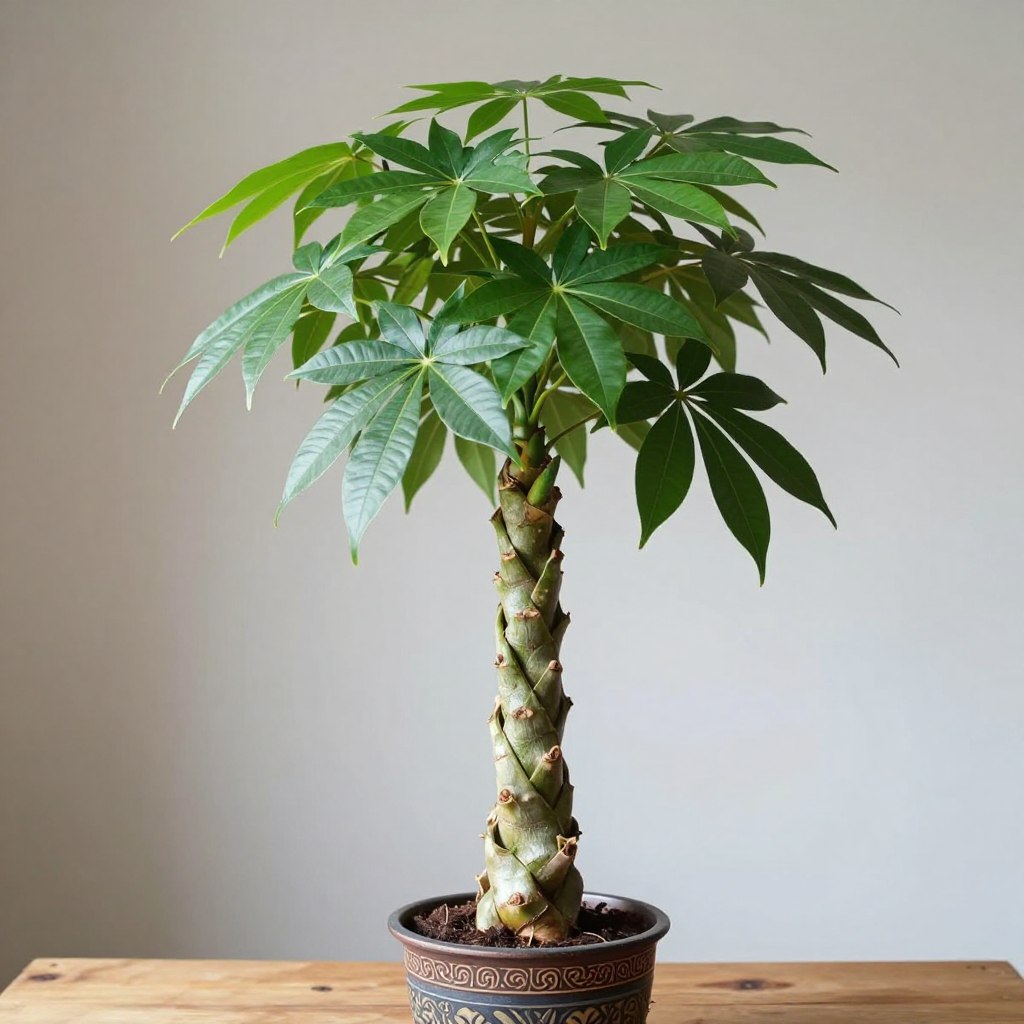
The Money Tree features a distinctive braided trunk and umbrella-like leaf formation that adds architectural interest to any space. According to feng shui principles, it’s believed to bring good fortune and prosperity.
Light Needs: Bright, indirect light. Can adapt to moderate light.
Water Requirements: Allow the top 2-4 inches of soil to dry between waterings. Reduce watering in winter.
Why It’s Great: Money Trees are air-purifying plants that add a structural element to your décor. Their braided trunks create visual interest even when viewed from a distance.
10. Areca Palm (Dypsis lutescens)
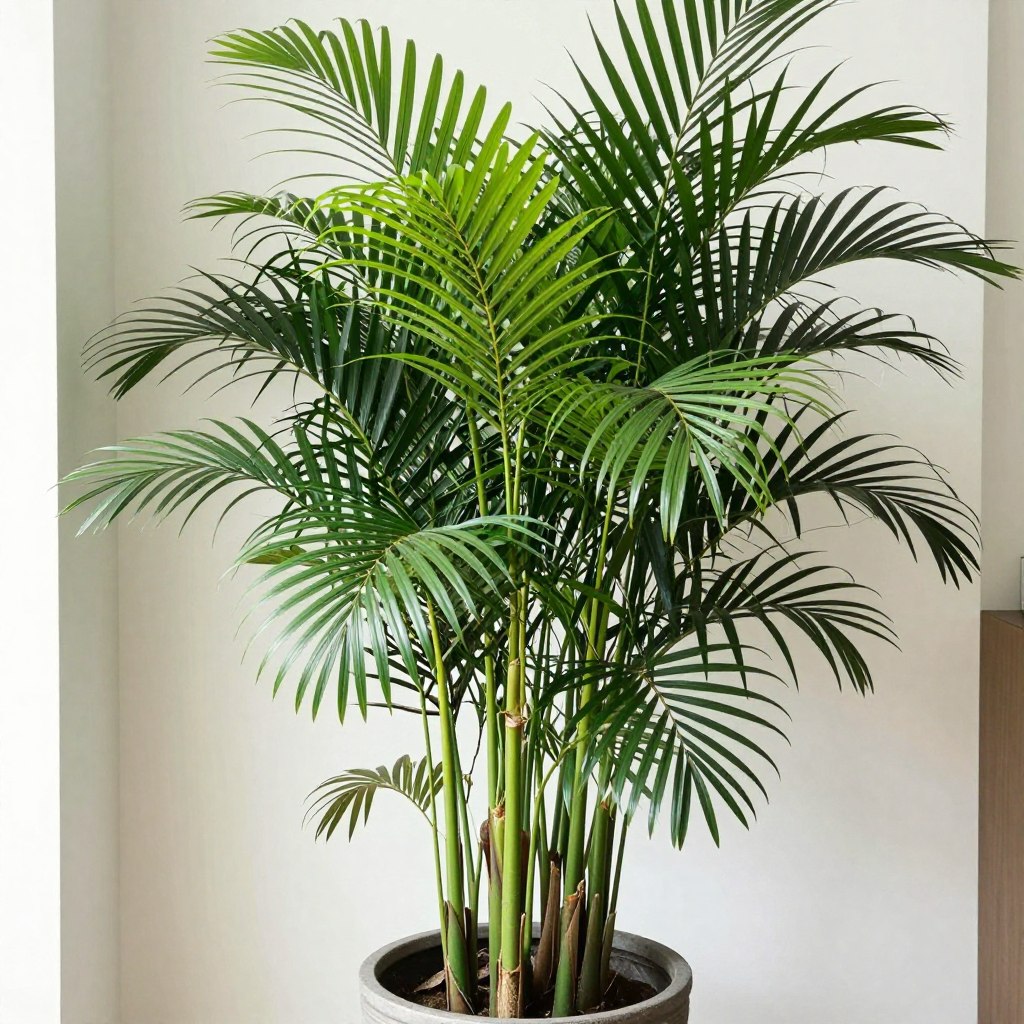
The Areca Palm creates a lush, tropical atmosphere with its multiple stems and feathery, arching fronds. This statement plant adds height and texture to any room.
Light Needs: Bright, indirect light. Some direct morning sun is beneficial.
Water Requirements: Keep soil consistently moist but not soggy. Allow the top inch to dry between waterings.
Why It’s Great: Areca Palms are excellent air purifiers and humidifiers. Their graceful appearance brings a resort-like feel to your home, creating a relaxing atmosphere.
Want More Detailed Care Guides?
For in-depth care instructions for these pet-safe plants, check out our comprehensive plant care library. Each guide includes troubleshooting tips, propagation methods, and seasonal care advice.
Plants to Avoid: Common Toxic Houseplants
While there are many pet-safe options available, it’s equally important to know which popular houseplants pose a danger to your furry friends. Here are some common houseplants that are toxic to cats and dogs:
Highly Toxic Plants to Keep Away from Pets
- Lilies (Lilium spp.) – Extremely toxic to cats; even small amounts can cause kidney failure
- Sago Palm (Cycas revoluta) – All parts are poisonous, with seeds containing the highest concentration of toxins
- Pothos/Devil’s Ivy (Epipremnum aureum) – Contains calcium oxalate crystals that cause oral irritation and swelling
- Dieffenbachia – Can cause severe mouth and throat irritation, difficulty swallowing
- Philodendron – Contains calcium oxalate crystals similar to Pothos
- Peace Lily (Spathiphyllum) – Causes irritation to mouth, tongue, and lips if chewed
- Snake Plant/Mother-in-Law’s Tongue (Sansevieria) – Contains saponins that can cause nausea and vomiting
- ZZ Plant (Zamioculcas zamiifolia) – Contains calcium oxalate crystals that are toxic if ingested
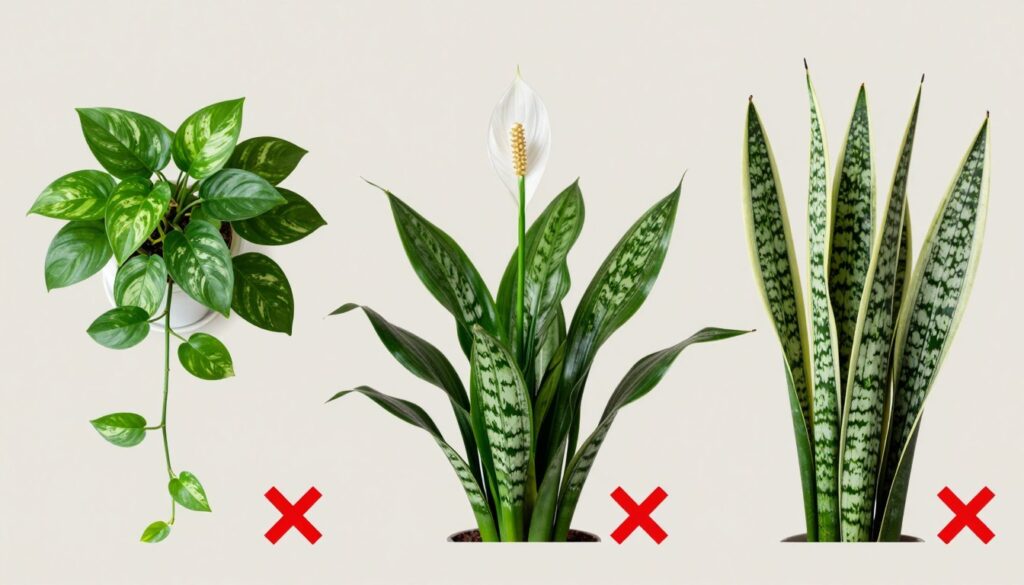
Common toxic houseplants to keep away from your pets
If you suspect your pet has ingested a toxic plant, contact your veterinarian or the ASPCA Animal Poison Control Center immediately at (888) 426-4435.
Tips for a Cozy, Pet-Friendly Plant Home
Creating a harmonious space where both plants and pets can thrive requires some thoughtful planning. Here are practical strategies to help your green friends and furry companions coexist peacefully:
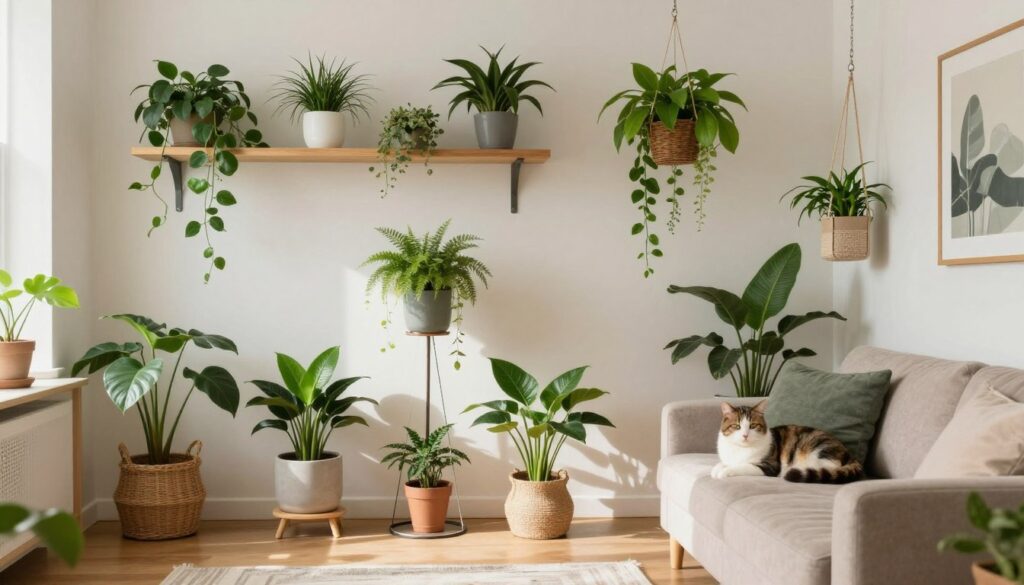
Strategic placement keeps plants safe from curious pets
Strategic Placement
One of the simplest ways to keep plants and pets separate is through thoughtful placement:
- Use hanging planters to keep trailing plants like Spider Plants and String of Turtles out of reach
- Place plants on high shelves or plant stands that pets can’t access
- Create dedicated plant areas in rooms that can be closed off when pets are unsupervised
- Consider wall-mounted planters for an attractive display that’s safely elevated
Deterrents and Barriers
Sometimes pets need a little extra discouragement from investigating your plants:
- Cover soil with decorative rocks or pebbles to prevent digging
- Use pet-safe bitter sprays on pot edges (test on a small area first)
- Place citrus peels in the soil – many pets dislike the scent
- Create physical barriers with decorative fencing or terrarium enclosures for smaller plants
Training and Alternatives
Working with your pet’s natural behaviors can help protect your plants:
- Provide pet-friendly alternatives like cat grass or catnip plants in accessible locations
- Use positive reinforcement to train pets to avoid plant areas
- Ensure pets have plenty of enrichment and play opportunities to reduce boredom-based plant chewing
- Consider automated deterrents like motion-activated air sprayers for persistent plant investigators
Choosing Resilient Plants
Some pet-safe plants are better suited to homes with active pets:
- Opt for sturdier plants like Haworthia or ZZ Plants that can withstand occasional bumps
- Choose fast-growing plants like Spider Plants that can recover quickly from minor damage
- Consider plants with less appealing textures (like fuzzy-leaved African Violets) that pets may avoid
- Group plants together to create a more stable arrangement that’s harder to knock over
Creating Your Pet-Safe Plant Paradise
With the right knowledge and planning, you can absolutely create a lush, plant-filled home that’s completely safe for your beloved pets. The pet-safe plants we’ve highlighted offer beautiful foliage, interesting textures, and even colorful blooms – proving you don’t have to sacrifice style for safety.
Remember that even with non-toxic plants, it’s best to monitor your pets’ interactions with them and discourage excessive chewing or digging. Each pet has unique behaviors and sensitivities, so what works in one home may need adjustment in another.
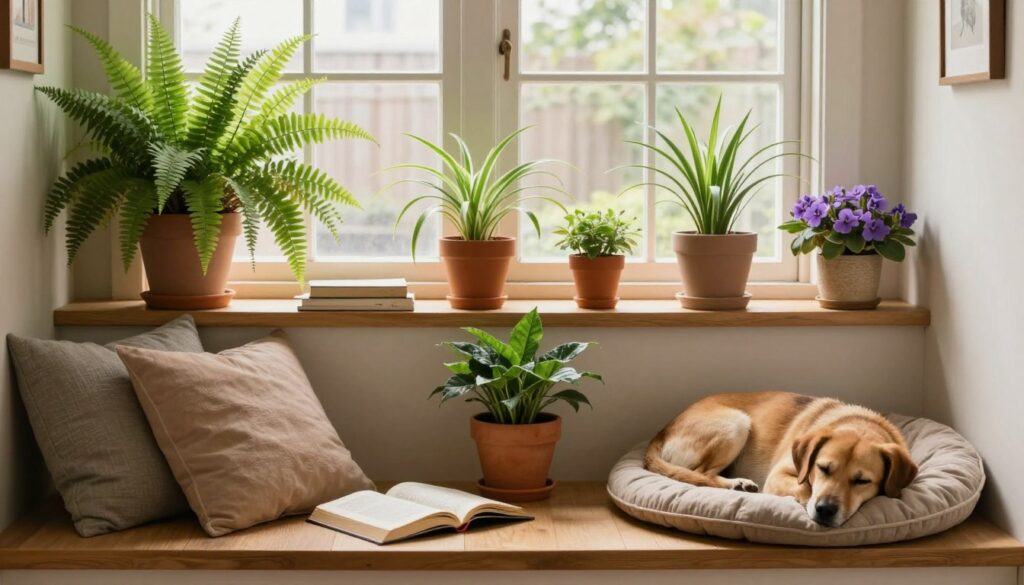
The perfect harmony: a cozy, plant-filled space that’s safe for all
By choosing pet-safe plants, placing them thoughtfully, and creating the right environment for both your green and furry family members, you’ll enjoy the many benefits that plants bring to your home – improved air quality, enhanced mood, and the simple joy of nurturing living things – all while keeping your beloved pets safe and happy.
Stay Informed About Pet Safety
Always verify a plant’s safety before bringing it home. The ASPCA’s toxic plant database is regularly updated with new information to help you make safe choices for your pet-friendly home.