
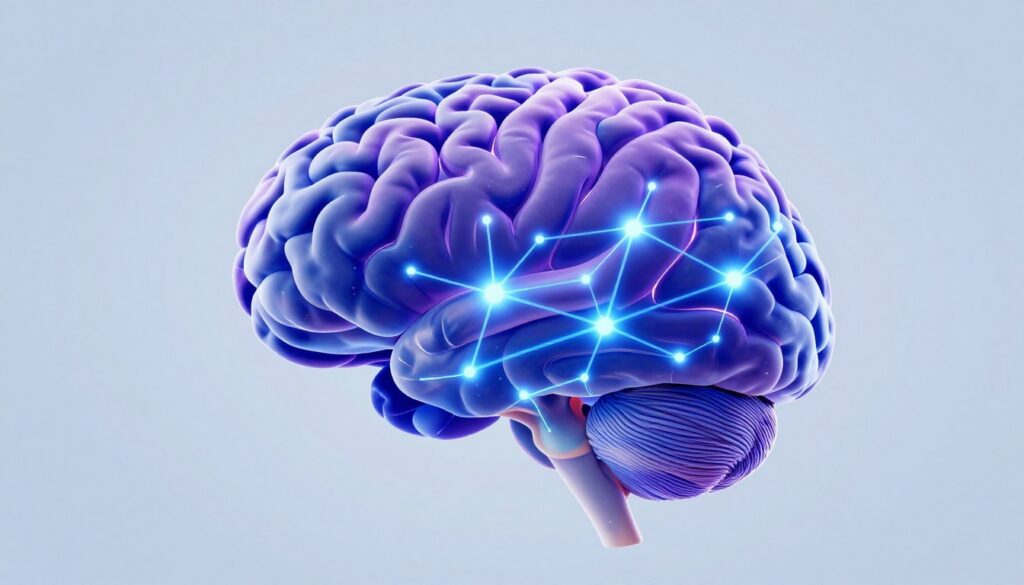
Ever walked into a room and completely forgotten why you’re there? Or struggled to recall a name that’s right on the tip of your tongue? We’ve all been there. As someone who’s experienced those frustrating mental hiccups, I’ve become fascinated with how we can keep our brains sharp and functioning at their best. The good news? Science shows that simple daily habits can dramatically improve our brain health and cognitive performance.
Our brains are incredibly adaptable organs that respond to how we treat them. Just like regular exercise strengthens our muscles, certain habits can enhance our mental capabilities and even help protect against cognitive decline as we age. Let’s explore some powerful brain-boosting habits that can transform your mental performance starting today.
Disclosure & Information Note:
This post may contain affiliate links, which means I may earn a small commission if you choose to make a purchase at no additional cost to you. I only recommend products and resources I genuinely believe add value. Portions of this content were created with the assistance of AI tools and then carefully reviewed, edited, and fact-checked by me for accuracy and authenticity. All information is provided for general informational purposes only and is not intended as medical, financial, legal, or professional advice. Always consult a qualified professional before making decisions related to your health, finances, safety, or lifestyle.
Why Brain Health Matters
Your brain is command central for everything you do—from basic functions like breathing to complex tasks like solving problems or creating art. When our brains are functioning optimally, we think more clearly, remember better, and generally enjoy a higher quality of life.
Research suggests that up to 40% of dementia cases might be preventable through lifestyle modifications. That’s huge! Even if you’re young, the habits you form now can build what scientists call “cognitive reserve”—essentially a buffer against future decline. Think of it as making deposits in your brain health savings account that you can draw on later in life.
1. Prioritize Quality Sleep

Think of sleep as your brain’s cleaning service. While you’re snoozing, your brain is busy removing toxic waste products that build up during the day. One of these waste products, beta-amyloid, is associated with Alzheimer’s disease when it accumulates.
Sleep is also when your brain consolidates memories, essentially moving information from short-term to long-term storage. That’s why pulling an all-nighter before an exam is actually counterproductive—your brain needs that sleep time to cement what you’ve learned.
How to improve your sleep quality:
- Aim for 7-9 hours of sleep consistently
- Keep your bedroom cool (around 65°F/18°C) and dark
- Establish a regular sleep schedule, even on weekends
- Avoid screens at least 30 minutes before bedtime
- Try relaxation techniques like deep breathing if you have trouble falling asleep
2. Move Your Body Regularly

Exercise isn’t just good for your body—it’s one of the most powerful brain boosters available. When you get your heart pumping, blood flow to your brain increases, delivering more oxygen and nutrients to those hungry brain cells.
Physical activity also stimulates the release of growth factors—chemicals that help create new brain cells and strengthen connections between existing ones. Studies show that regular exercise can actually increase the volume of your hippocampus, the brain region crucial for memory formation.
Brain-friendly exercise options:
Aerobic Exercise
- Walking (aim for 30 minutes daily)
- Swimming
- Dancing
- Cycling
Coordination Activities
- Tai Chi
- Tennis
- Yoga
- Balance exercises
The key is consistency—even 20-30 minutes of moderate exercise several times a week can make a significant difference in your brain health. Find activities you enjoy so you’ll stick with them!
3. Fuel Your Brain With the Right Foods

Your brain is an energy-hungry organ that consumes about 20% of your daily calories, despite making up only 2% of your body weight. What you eat directly affects its structure and function, both in the short and long term.
Research consistently points to the Mediterranean and MIND diets as being particularly beneficial for brain health. These eating patterns emphasize foods rich in antioxidants and anti-inflammatory compounds that protect brain cells from damage.
Brain-boosting foods to include regularly:
Berries
Especially blueberries, which contain flavonoids that improve memory and delay cognitive aging.
Fatty Fish
Salmon, trout, and sardines are rich in omega-3 fatty acids that help build brain cell membranes.
Leafy Greens
Spinach, kale, and other greens contain nutrients like vitamin K, lutein, and folate that support brain health.
Nuts
Especially walnuts, which contain anti-inflammatory compounds and look remarkably like tiny brains!
Olive Oil
Rich in polyphenols that protect brain cells from oxidative damage.
Dark Chocolate
Contains flavonoids, caffeine, and antioxidants that may enhance memory and mood (in moderation!).
4. Challenge Your Brain With New Learning

Your brain thrives on novelty and challenge. When you learn something new, your brain forms new neural pathways and strengthens existing ones—a process called neuroplasticity. This building of connections creates a cognitive reserve that helps your brain remain resilient even when faced with age-related changes or damage.
The key is to choose activities that are genuinely challenging and novel. While crossword puzzles are fine if you’re new to them, once they become routine, their brain-boosting benefits diminish. You need to keep pushing your mental boundaries.
Effective brain challenges:
- Learning a new language (even just 15 minutes daily)
- Picking up a musical instrument
- Taking a different route home
- Learning a craft or skill like painting, cooking, or photography
- Taking courses in unfamiliar subjects
- Reading books outside your usual genres
Remember, the goal isn’t mastery but the process of learning itself. Embrace being a beginner—that’s when your brain is working hardest!
5. Manage Stress Effectively

Chronic stress is like kryptonite for your brain. When you’re stressed, your body releases cortisol, which can damage the hippocampus (your memory center) and impair cognitive function. Over time, persistent stress can actually cause certain areas of your brain to shrink.
The good news is that even simple stress-reduction techniques can help protect your brain. Mindfulness meditation, in particular, has been shown to reduce cortisol levels and even increase gray matter in brain regions associated with learning, memory, and emotional regulation.
Effective stress management techniques:
- Mindfulness meditation (even 5-10 minutes daily makes a difference)
- Deep breathing exercises
- Regular time in nature
- Journaling
- Limiting news and social media consumption
- Setting healthy boundaries in work and relationships
I’ve found that even a few minutes of deep breathing when I feel overwhelmed can help clear my mind and improve my focus. It’s like hitting the reset button for your brain.
Building Your Brain-Boosting Routine

The beautiful thing about these brain-boosting habits is that they work synergistically. Getting better sleep helps you manage stress. Regular exercise improves sleep quality. Healthy eating gives you energy for exercise and mental challenges. It’s a virtuous cycle that builds on itself.
Start small—pick one or two habits to focus on first. Maybe begin with a daily 20-minute walk and adding more colorful vegetables to your meals. Once those become routine, add another brain-boosting habit. Remember, consistency matters more than perfection.
Your brain is remarkably adaptable at any age. Whether you’re 25 or 85, these habits can help enhance your cognitive function and protect your most valuable asset—your mind. The best time to start is today!
6. Nurture Social Connections
Humans are inherently social creatures, and our brains reflect this. Regular social interaction stimulates areas of the brain involved in language, empathy, and emotional processing. Studies consistently show that people with strong social networks have better cognitive function and are less likely to experience cognitive decline.
Quality matters more than quantity when it comes to relationships. Deep, meaningful connections provide more brain benefits than numerous superficial ones. And diverse social interactions—talking with people of different ages, backgrounds, and perspectives—provide extra cognitive stimulation.
Ways to boost social connection:
Even introverts need meaningful social connection—though the amount and type may differ from person to person. Find what works for you and make it a priority.