

Art therapy harnesses the power of creative expression to improve mental health and emotional well-being. Unlike casual art-making, this evidence-based approach combines psychological principles with creative processes to help people explore emotions, reduce stress, and heal from trauma. Whether you’re struggling with anxiety, depression, or simply seeking personal growth, art therapy offers a unique path to self-discovery and healing.
An art therapist guides a client through an expressive painting exercise.
Disclosure & Information Note:
This post may contain affiliate links, which means I may earn a small commission if you choose to make a purchase at no additional cost to you. I only recommend products and resources I genuinely believe add value. Portions of this content were created with the assistance of AI tools and then carefully reviewed, edited, and fact-checked by me for accuracy and authenticity. All information is provided for general informational purposes only and is not intended as medical, financial, legal, or professional advice. Always consult a qualified professional before making decisions related to your health, finances, safety, or lifestyle.
What Is Art Therapy?
Art therapy is a mental health profession that integrates the fields of human development, visual arts, and the creative process with counseling and psychotherapy. Unlike casual drawing or painting as a hobby, art therapy is conducted by trained professionals who use art-making as a therapeutic tool to address specific psychological and emotional needs.
The American Art Therapy Association defines art therapy as “an integrative mental health and human services profession that enriches the lives of individuals, families, and communities through active art-making, creative process, applied psychological theory, and human experience within a psychotherapeutic relationship.”
“Art therapy is not about the artistic value of the work, but rather about finding associations between the creative choices made and a client’s inner life.” – Psychology Today
What distinguishes art therapy from casual art-making is the presence of a therapeutic relationship with a trained professional who guides the process and helps interpret the emotional and psychological aspects of the creative work. The focus is on the process rather than the final product—you don’t need artistic talent to benefit from art therapy.
Core Principles of Art Therapy
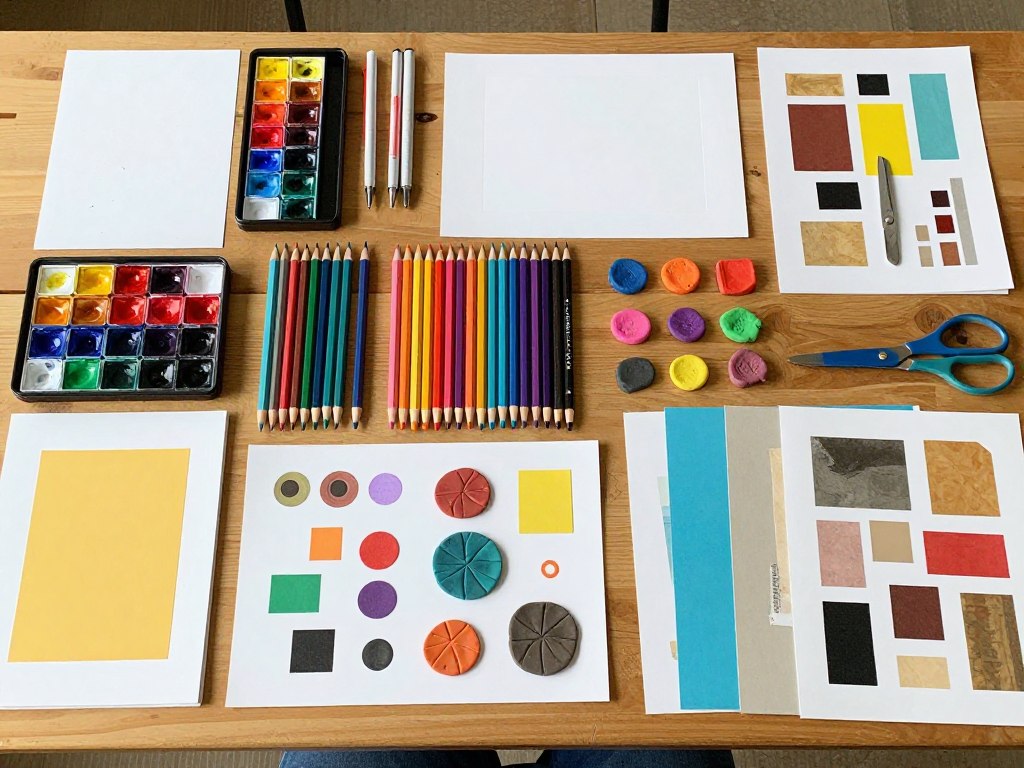
Art therapy operates on several key principles that make it effective for improving mental health:
- Non-verbal expression: Art provides a way to express thoughts and feelings that might be difficult to put into words, making it particularly valuable for processing trauma or complex emotions.
- Process over product: The therapeutic value lies in the creative process itself, not the artistic merit of what’s created.
- Accessing the unconscious: Creating art can reveal unconscious thoughts, feelings, and memories, bringing them into awareness where they can be processed.
- Externalization: Art allows people to externalize internal experiences, creating distance that makes difficult emotions more manageable.
- Metaphorical communication: Symbols and metaphors in artwork can communicate complex psychological states that might otherwise remain unexpressed.
- Integration of experience: The creative process helps integrate cognitive, emotional, and sensory experiences, promoting psychological integration and healing.
Through these mechanisms, art therapy helps people gain insight into their emotions, develop healthier coping strategies, and work through psychological challenges in a supportive environment.
Mental Health Conditions Art Therapy Can Address
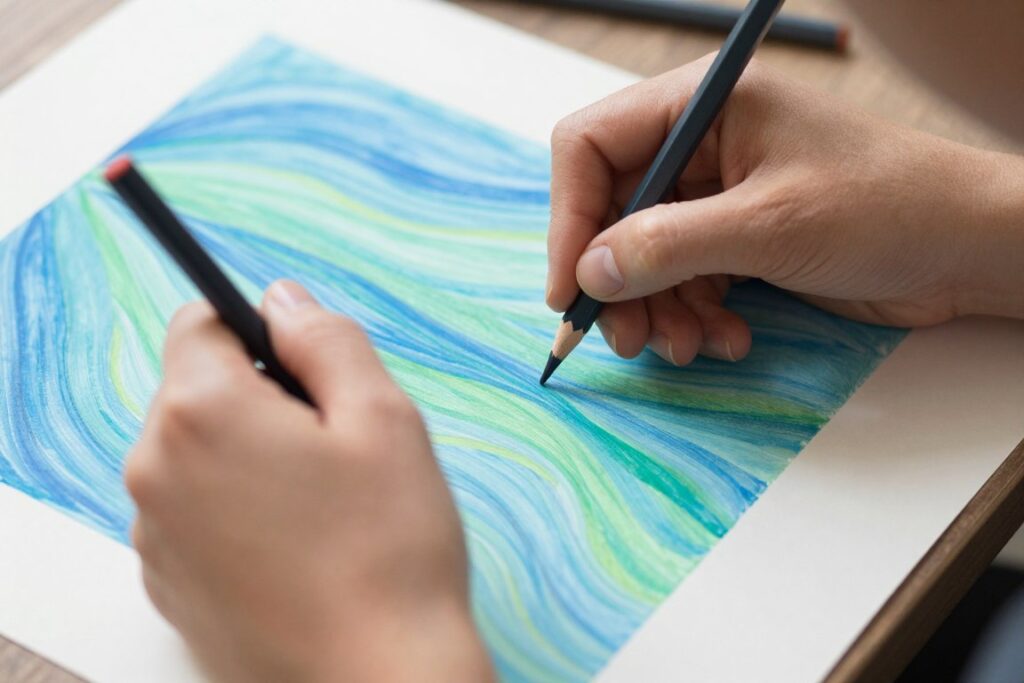
Art therapy has shown effectiveness in treating a wide range of mental health conditions and emotional challenges:
Anxiety & Stress
Creating art reduces stress hormones and promotes relaxation. The rhythmic, focused nature of art-making can induce a meditative state that calms the nervous system and reduces anxiety symptoms.
Depression
Art therapy helps express difficult emotions, increases positive feelings, and provides a sense of accomplishment. The creative process can activate reward pathways in the brain that are often underactive in depression.
Trauma & PTSD
Art provides a safe way to process traumatic memories without having to verbalize them. Creating visual representations of trauma can help integrate fragmented memories and reduce their emotional intensity.
Grief & Loss
Art therapy offers a container for grief emotions and helps create meaning from loss. Creating memorial art can honor relationships and facilitate the grieving process.
Eating Disorders
Art therapy helps explore body image issues, identify emotional triggers, and develop healthier coping mechanisms. It can bypass intellectual defenses that often maintain disordered eating patterns.
Substance Use Disorders
Art therapy helps identify triggers, process emotions that drive substance use, and visualize a future without addiction. It provides healthy alternative coping strategies for managing difficult feelings.
Art therapy is also beneficial for autism spectrum disorders, dementia, chronic pain, and many other conditions where emotional expression and processing are important for healing.
Art Therapy Techniques and Modalities
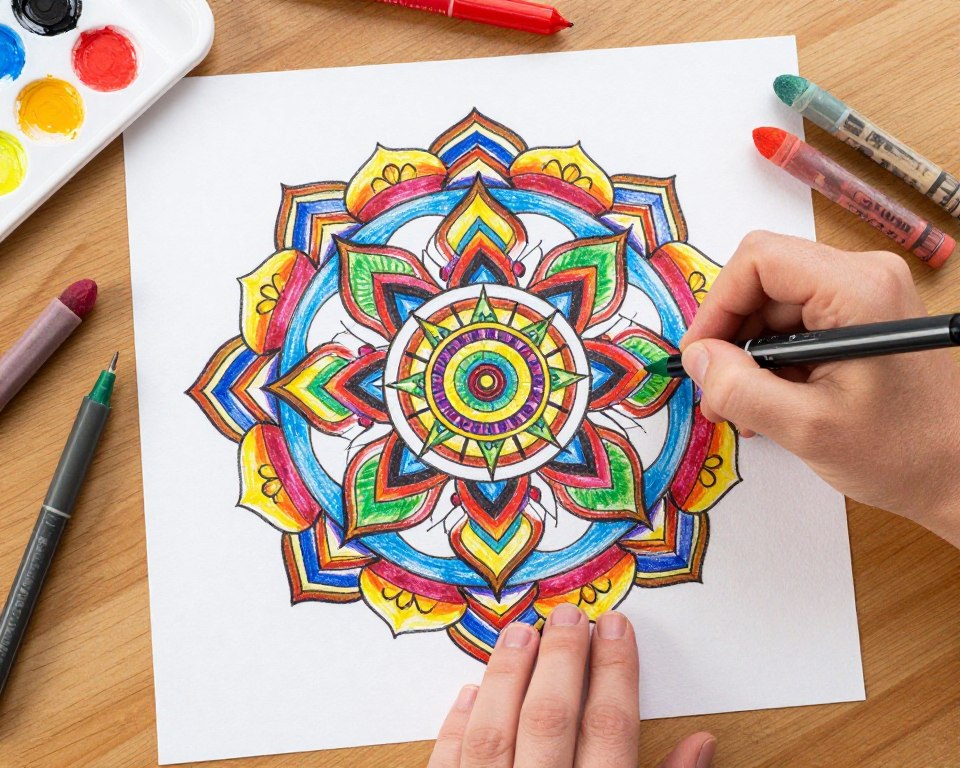
Art therapists employ a variety of techniques and materials, tailoring their approach to each client’s needs and therapeutic goals:
Drawing and Painting Techniques
- Free drawing: Spontaneous creation without planning, allowing unconscious material to emerge
- Mandala creation: Drawing within a circle to promote focus, integration, and emotional regulation
- Body mapping: Drawing outlines of the body and filling them with colors, symbols, and words representing emotions and experiences
- Emotion color wheels: Using colors to identify and express different emotional states
- Before/after imagery: Creating visual representations of life before and after significant events or desired changes
- Visual journaling: Combining images and words to process daily experiences and emotions
Three-Dimensional and Tactile Approaches
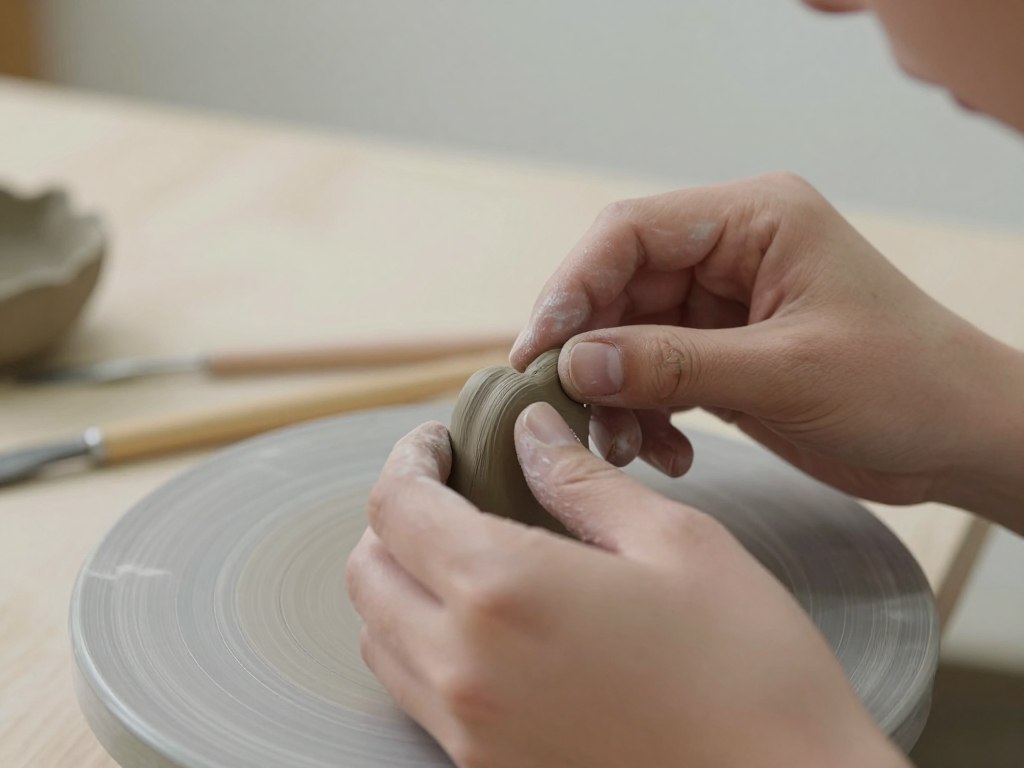
- Clay work: Molding and sculpting to release tension and express emotions through tactile engagement
- Mask making: Creating masks to explore different aspects of identity and self-perception
- Found object sculpture: Assembling objects to create meaningful representations of life experiences
- Sensory boxes: Creating containers filled with materials that represent different emotional states
Collage and Mixed Media
- Magazine collage: Selecting and arranging images to express feelings or explore themes
- Vision boards: Creating visual representations of goals and desired future states
- Altered books: Transforming existing books into personal art journals through various techniques
- Digital collage: Using technology to combine and manipulate images
Art therapists select techniques based on the client’s comfort level, therapeutic goals, and the specific issues being addressed. The variety of approaches allows for flexibility in meeting diverse needs and preferences.
The Evidence Base for Art Therapy

While art therapy has been practiced for decades, the research supporting its effectiveness has grown substantially in recent years:
“A 2016 study published in the Journal of the American Art Therapy Association found that less than an hour of creative activity can reduce stress and have a positive effect on mental health, regardless of artistic experience or talent.”
Research Highlights
- Trauma treatment: Studies of adults who experienced trauma found that art therapy significantly reduced trauma symptoms and decreased levels of depression.
- Cancer care: Research has shown that art therapy helps patients undergoing cancer treatment improve their quality of life and alleviate psychological symptoms.
- Older adults: One study found that art therapy reduced depression and increased self-esteem in older adults living in nursing homes.
- Anxiety reduction: Multiple studies have demonstrated art therapy’s effectiveness in reducing anxiety symptoms across different populations.
- Emotional regulation: Research with personality disorders showed improvements in emotion and impulse regulation following art therapy interventions.
While more research is needed, particularly larger controlled studies, the existing evidence suggests art therapy is a valuable intervention for many mental health conditions. The field continues to develop its evidence base through ongoing research and clinical practice.
What to Expect in an Art Therapy Session

If you’re considering art therapy, understanding what happens in a typical session can help ease any apprehension:
Initial Session
- Your first session will typically involve discussing your reasons for seeking therapy and your goals.
- The art therapist will explain their approach and answer any questions you have about the process.
- You might complete some initial art-making to help the therapist understand your needs.
- Together, you’ll develop a treatment plan tailored to your specific situation.
Ongoing Sessions
- Sessions typically last 45-60 minutes and may be individual or group-based.
- The therapist will provide art materials and guide you through various creative exercises.
- You’ll have time to create artwork based on specific prompts or themes related to your therapeutic goals.
- After creating, you’ll discuss the artwork and process with your therapist, exploring meanings, patterns, and insights.
- The therapist may ask questions like “What were you feeling while creating this?” or “What does this image represent to you?”
- The focus is on your experience and interpretation, not the artistic quality of what you create.
Remember: No artistic skill or experience is necessary for art therapy to be effective. The therapeutic value comes from the process of creation and exploration, not the aesthetic quality of the artwork.
Art therapy sessions take place in various settings, including private practices, hospitals, mental health clinics, schools, and community centers. The environment is typically comfortable, supportive, and confidential, allowing for free expression and exploration.
Finding a Qualified Art Therapist
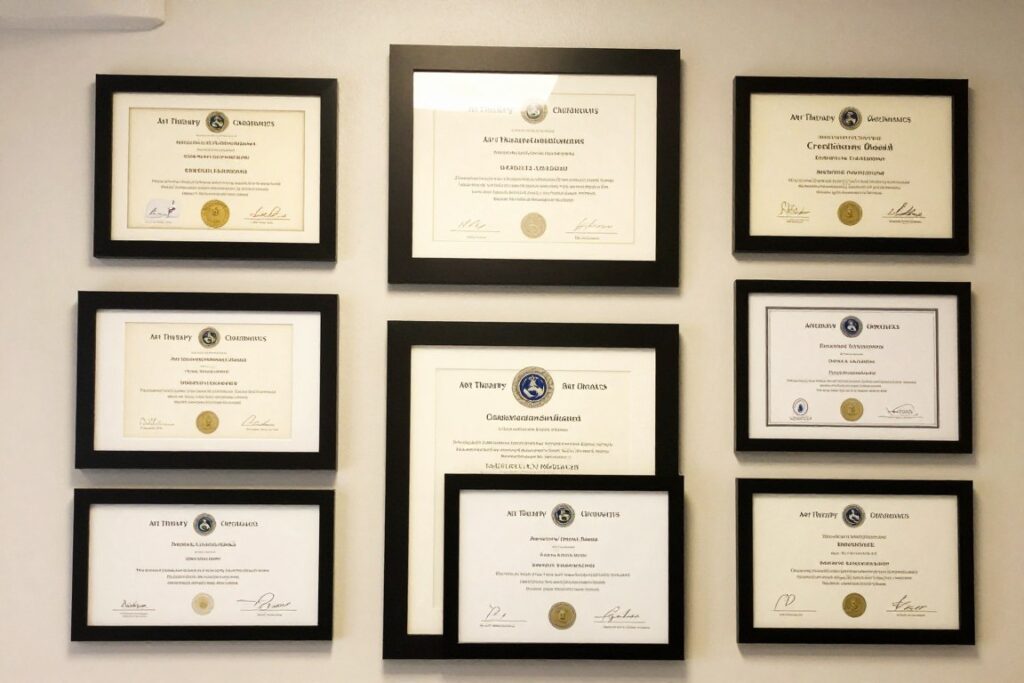
Working with a properly trained and credentialed art therapist is essential for effective treatment. Here’s how to find a qualified professional:
Credentials to Look For
- ATR (Registered Art Therapist): Indicates completion of graduate-level education in art therapy and supervised clinical experience.
- ATR-BC (Board Certified Art Therapist): The highest credential, requiring passing a national examination.
- ATCS (Art Therapy Certified Supervisor): An advanced credential for experienced therapists who supervise others.
- State licensure: Many art therapists also hold state licenses in counseling, psychology, or social work.
How to Find an Art Therapist
- Use the Art Therapist Locator provided by the American Art Therapy Association.
- Search the Art Therapy Credentials Board directory for certified professionals.
- Ask for referrals from your primary care physician or mental health provider.
- Contact your health insurance company for in-network providers.
- Reach out to local mental health clinics, hospitals, or university counseling centers.
Questions to Ask Potential Therapists
- “What is your training and experience in art therapy?”
- “What is your approach to treating my specific concerns?”
- “How would you structure our sessions?”
- “What art materials do you typically use?”
- “Do you accept my insurance or offer sliding scale fees?”
- “How do you measure progress in therapy?”
Ready to Explore Art Therapy?
Take the first step toward healing through creative expression by connecting with a qualified art therapist in your area.
The Healing Power of Creative Expression
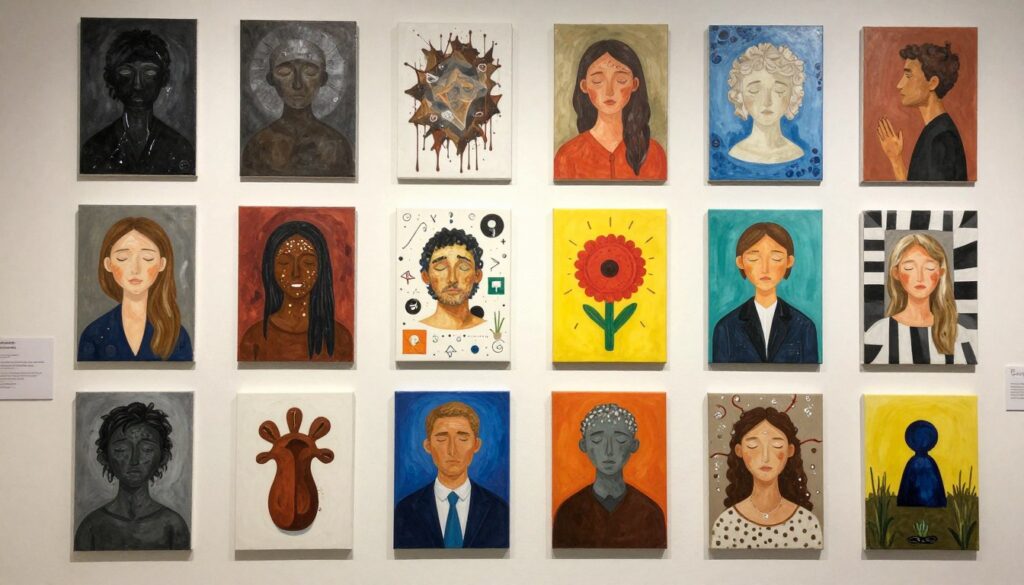
Art therapy offers a unique and powerful approach to mental health and emotional wellness. By combining the creative process with psychological principles, it provides a path to healing that engages both mind and body in ways that traditional talk therapy alone may not achieve.
The beauty of art therapy lies in its accessibility—anyone can benefit, regardless of artistic ability. The focus is always on the process of creation and exploration rather than producing aesthetically pleasing artwork. Through this process, people can express emotions that might otherwise remain locked inside, gain insights into patterns of thinking and behavior, and develop new coping strategies for life’s challenges.
Whether you’re dealing with anxiety, depression, trauma, or simply seeking personal growth, art therapy offers a safe space to explore your inner world and move toward greater well-being. By working with a qualified art therapist, you can harness the healing power of creative expression and discover new pathways to emotional health and resilience.
“Art washes from the soul the dust of everyday life.” – Pablo Picasso